
Elon Musk’s credibility crumbled in an Oakland courtroom as defense attorneys exposed glaring contradictions between his sworn testimony and his own public statements, raising serious questions about accountability among America’s billionaire class.
Story Snapshot
- Musk seeks $134 billion claiming OpenAI executives “stole a charity” by converting to for-profit status
- Discovery emails reveal Musk previously supported for-profit conversion he now condemns in lawsuit
- Cross-examination caught Musk contradicting his testimony with his own social media posts about Tesla’s AI pursuits
- Musk attempted to seize control of OpenAI with 51% ownership demand before departing in 2018
- Trial exposes power struggle between tech titans with implications for charitable organization governance nationwide
Musk’s Lawsuit Claims OpenAI Betrayed Charitable Mission
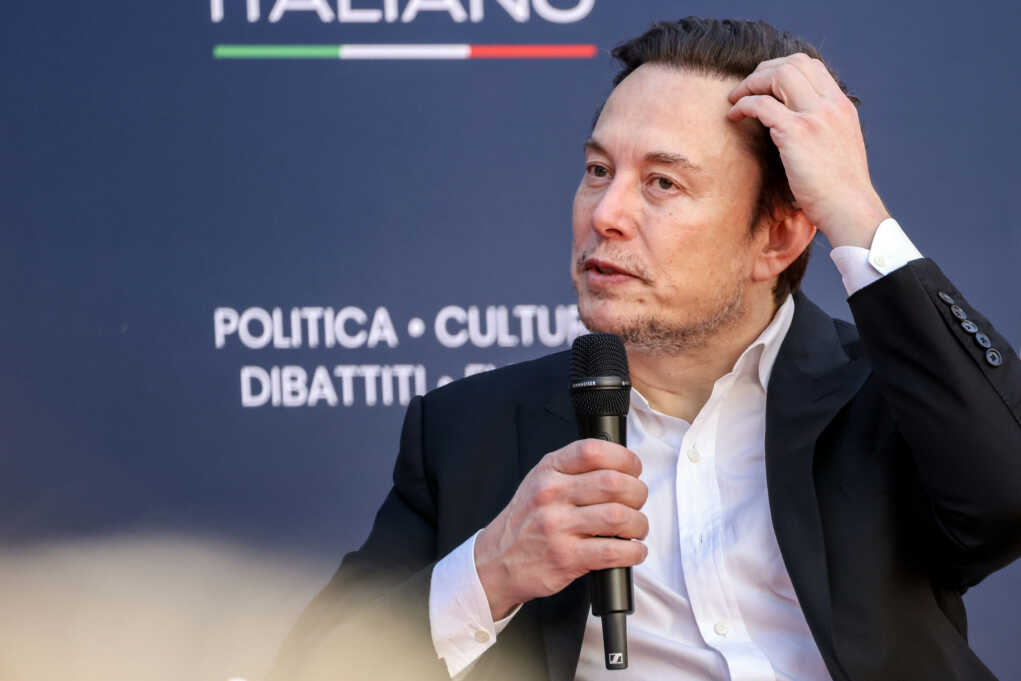
Tesla and SpaceX CEO Elon Musk took the stand in Oakland, California, as the first witness in his blockbuster lawsuit against OpenAI and its leadership. Musk contributed approximately $38 million to OpenAI during its early non-profit phase and now alleges that CEO Sam Altman and President Greg Brockman transformed the organization into an $800 billion for-profit entity, effectively looting a charity. Musk framed his lawsuit as defending the entire foundation of charitable giving in America, declaring that allowing organizations to convert donations into massive for-profit enterprises would destroy public trust in philanthropy.
Court Documents Expose Contradictory Positions on Profit Structure
Defense attorneys presented damaging evidence during cross-examination that directly contradicted Musk’s lawsuit premise. Discovery emails from 2016 showed Musk expressing concerns to a Neuralink colleague that OpenAI’s non-profit structure “might, in hindsight, have been the wrong move” because it limited competitive urgency against Google’s DeepMind. The emails revealed that before departing OpenAI in February 2018, Musk demanded controlling interest in any for-profit conversion, seeking majority board representation and 51 percent ownership. Musk only left the organization after Altman and Brockman refused his control demands, undermining his current portrayal as a defender of non-profit integrity.
Credibility Problems Mount During Testimony
Musk’s courtroom performance raised serious concerns about his willingness to provide straightforward testimony under oath. When questioned about whether Tesla pursues artificial general intelligence, Musk testified that Tesla merely tries to make cars drive from point A to point B. Defense attorneys immediately presented a March social media post where Musk explicitly stated Tesla was pursuing AGI, directly contradicting his sworn statement. Even on basic personal questions, Musk demonstrated what observers described as comically reluctant responses, answering “I think so” when asked if he was romantically involved with venture capitalist Shivon Zilis, the mother of four of his children.
Power Struggle Behind Charitable Facade
The trial evidence paints a picture far different from Musk’s public narrative of protecting charitable giving. Court documents reveal a power struggle over OpenAI’s direction, with Musk seeking majority control before the organization’s 2019 conversion to a for-profit subsidiary. After failing to secure dominance, Musk founded competing AI company xAI in 2023, establishing direct business rivalry with the organization he claims to be defending. Microsoft CEO Satya Nadella is expected to testify before trial conclusion, potentially illuminating the billions in corporate investment that followed OpenAI’s structural transformation. The case raises fundamental questions about whether elite tech figures manipulate charitable structures to serve personal interests while claiming to protect the public good.
The humiliating cross-examination of Elon Muskhttps://t.co/PcZNiMV6dr pic.twitter.com/kaTB2gU2lI
— Dennis Koch (@DennisKoch10) May 1, 2026
The trial outcome could establish precedent affecting how charitable organizations nationwide structure governance and transitions, with particular implications for founder protections and non-profit conversions. A ruling against OpenAI might restore accountability to charitable giving frameworks, while a Musk victory could signal that wealthy donors can retroactively challenge organizational decisions when denied control. The proceedings continue to expose the gap between the public-spirited rhetoric of billionaire philanthropists and their actual behavior when financial and power interests are at stake.
Sources:
The humiliating cross-examination of Elon Musk – Oligarch Watch