

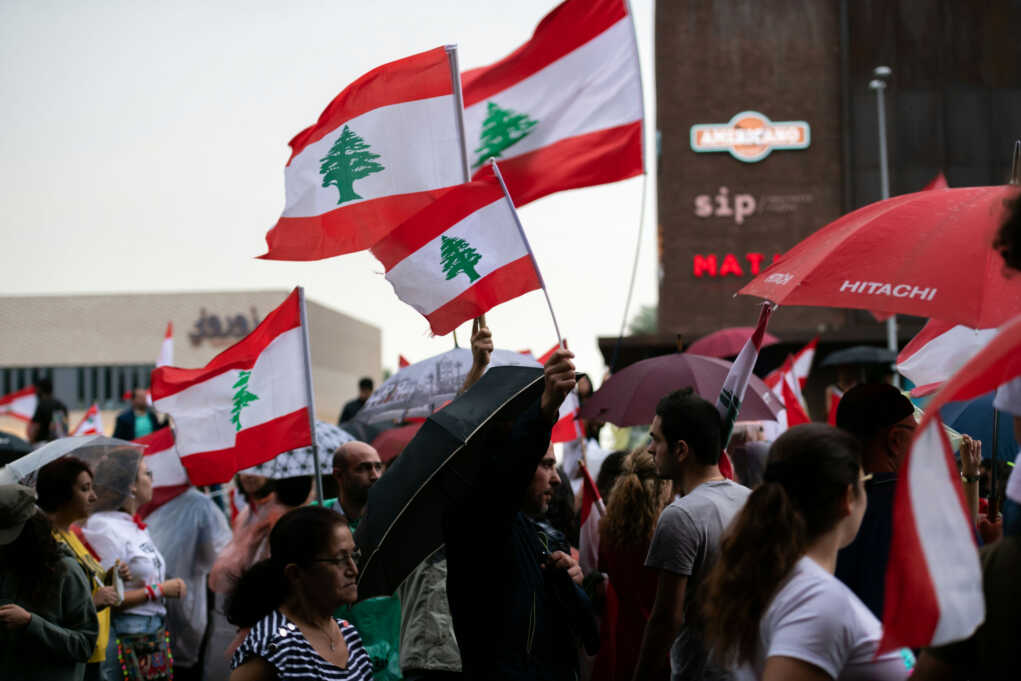
Lebanon is demanding a ceasefire extension, Israeli withdrawal terms, and prisoner releases while Hezbollah keeps its arsenal, testing U.S.-led diplomacy and Israel’s security red lines.
Story Highlights
- Lebanon seeks to extend a fragile truce and link it to Israeli withdrawal and prisoner issues [1].
- President Donald Trump announced a three-week extension after White House talks [3][4][7].
- Israel emphasizes degrading Hezbollah’s military capability and questions Beirut’s leverage.
- Talks in Washington continue under U.S. mediation amid reports of ongoing violations [6].
Lebanon’s Leverage Play: Ceasefire Extension Tied to Concessions
Lebanese officials entered U.S.-hosted talks seeking a new ceasefire extension and linking it to an Israeli withdrawal timeline and prisoner releases, according to on-the-record descriptions of Beirut’s position. Reporting on the talks states Lebanon intended to ask for at least a one-month extension as a precondition to wider negotiations, anchoring its pitch to de-escalation and humanitarian relief while pressing for political gains tied to territory and detainees [1]. The strategy places diplomatic pressure on Israel during a pause in major hostilities.
White House engagement produced tangible, near-term results. President Donald Trump stated that Lebanon and Israel agreed to extend the ceasefire by three weeks following discussions in Washington, a development echoed by subsequent video and written reports [3][4][7]. The extension, while limited, buys time for additional rounds of talks and verification measures. For U.S. conservatives, this reflects a deal-first, strength-through-negotiation posture: achieve calm, test compliance, and insist that any longer arrangement protects civilians while not rewarding terror tactics.
Israel’s Security Priority: Neutralize Hezbollah Before Any Pullback
Israeli officials frame the dispute around a core security reality: Hezbollah’s arsenal, cross-border fire, and entrenchment in southern Lebanon. Israeli military updates have highlighted recent operations targeting Hezbollah infrastructure, including claims of strikes on numerous launchers, unmanned systems, and command nodes, underscoring Israel’s insistence on degrading the group’s capabilities before considering withdrawals or prisoner deals [6]. This position rejects any framework that lets Hezbollah regroup under the cover of serial ceasefire extensions without verifiable disarmament steps.
Complicating negotiations, media reports describe Lebanon’s government seeking terms while Hezbollah retains operational independence and rejects arrangements it dislikes. That split blurs who can enforce commitments inside Lebanon. In practical terms, Israel views any paper guarantees as unreliable if the armed group can veto or outgun Beirut. As a result, Jerusalem links ceasefire longevity to measurable reductions in Hezbollah’s threat footprint and reserves freedom of action against imminent attacks [6]. That stance narrows room for trade-offs tied solely to time-limited truces.
U.S. Mediation Under Trump: Contain Escalation, Reward Compliance
U.S.-hosted sessions aim to stabilize the frontier and translate pauses into leverage for a more durable calm. The administration secured a three-week extension after face-to-face talks, signaling that Washington will invest presidential capital to halt a slide back into war while avoiding concessions that embolden Iran-backed militants [3][4][7]. Conservative readers should read this as conditional diplomacy: pauses are tools, not trophies. Parties demonstrating restraint and verification get runway; violators face pressure and fewer benefits.
Reports note the ceasefire has faced alleged violations even as talks continue, highlighting why verification and enforcement matter as much as inked timelines [6]. For the United States, the pathway is clear: reduce rocket fire, curb cross-border raids, and create conditions where local civilians can return safely. For Israel, any diplomatic gains must translate into fewer threats from Hezbollah positions. For Lebanon, credibility depends on demonstrating that commitments made at a negotiating table can be enforced in the south.
What Success Requires: Verification First, Politics Later
Analysts tracking ceasefires in conflicts involving non-state armed groups find higher success when truces are open-ended on big concessions and backed by monitoring, rather than front-loaded with demands on territory or prisoners. That pattern is consistent with the administration’s step-by-step approach: secure calm, verify compliance, then move to harder files where trade-offs are tangible and enforceable [7]. Extending today’s truce while building mechanisms for tomorrow’s verification is more likely to deliver lasting results than sweeping deals that collapse under fire.
🚨 BREAKING: Lebanon and Israel hold ambassador-level talks in the US with hopes of reaching a new ceasefire deal. Officials express cautious optimism as negotiations progress. #BreakingNews #Lebanon #Israel #MiddleEast pic.twitter.com/PKoVcw4BlL
— Archange Shadow (@Archange_Shadow) May 14, 2026
For American conservatives, two principles apply. First, do not reward terror. Any roadmap must hinge on disarming militias and deterring Iran’s proxies. Second, keep U.S. leadership credible and focused: insist on enforceable commitments, avoid blank checks, and make clear that violations void benefits. The current three-week extension is a prudent test. If the guns stay quiet and rockets stay down, Washington can push for follow-on steps. If not, pressure should shift toward isolating the spoilers, not restraining Israel’s right to self-defense.
Sources:
[1] YouTube – Lebanon to seek ceasefire extension in US-hosted talks with Israel
[3] YouTube – Israel-Lebanon ceasefire extended by 3 weeks after White House …
[4] Web – Israel-Lebanon ceasefire extended by three weeks, Trump says
[6] Web – Lebanon president says US-hosted talks aim to extend ceasefire …
[7] Web – Israel-Lebanon Ceasefire Extended for Three Weeks