

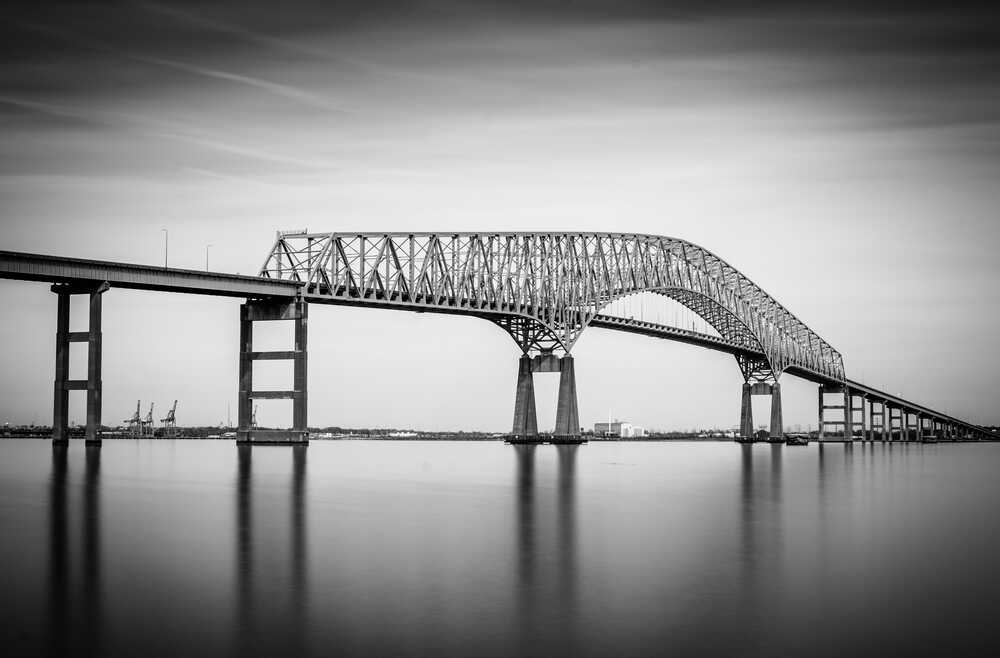
Two years after a massive container ship doomed six American workers by crashing into Baltimore’s Key Bridge, federal prosecutors now charge foreign operators with deliberate lies that sealed their fate.
Story Snapshot
- DOJ indicts Synergy Marine (Singapore), Synergy Maritime (India), and superintendent Radhakrishnan Karthik Nair for conspiracy, obstruction, and safety violations tied to the 2024 collapse.
- Alleged cover-up: Companies faked inspections and used improper flushing pumps, causing power blackouts that led to the crash killing six construction workers.
- Maryland secures $2.25 billion civil settlement from ship owner Grace Ocean and operator Synergy Marine to fund bridge rebuild.
- First criminal charges in the disaster, targeting post-crash deception and profit-driven negligence.
- Arrest warrants issued; challenges loom in extraditing foreign defendants.
The Collision That Shook Baltimore
On March 26, 2024, the Singapore-flagged M/V Dali lost power twice within four minutes while departing Baltimore Harbor for New York. The 984-foot vessel veered uncontrollably and struck the Francis Scott Key Bridge support pillar. The span collapsed instantly, plunging six construction workers into the Patapsco River. All perished. The bridge, a 1977 vital link carrying 1.1 million vehicles monthly, crippled the region’s top-20 U.S. port for 11 weeks.
Indictment Details and Alleged Cover-Up
U.S. District Court in Maryland unsealed the indictment on May 12, 2026. Prosecutors charge Synergy Marine Pte Ltd., Synergy Maritime Pte Ltd., and Nair with 16 felonies including conspiracy to defraud the U.S., Ports and Waterways Safety Act violations, misconduct or neglect of ship officers resulting in death, obstruction of justice, and false statements. Misdemeanor environmental counts address river pollution from the crash.
Federal investigators assert defendants knowingly used flushing pumps instead of proper fuel supply pumps to clear bilge water. This bypassed safety protocols, triggering electrical failures. Proper pumps would have restored power in time to avoid the bridge. Companies allegedly forged safety inspections and certifications. Post-crash, they misled the NTSB and Coast Guard about equipment issues and unreported risks.
Key Players and Their Roles
Synergy Marine managed ship operations from Singapore. Synergy Maritime oversaw technical aspects from India. Nair, the 47-year-old Dali superintendent based in India, faces accusations of lying about pump usage. Grace Ocean Private Ltd. of Monaco owns the ship and settled civilly without charges. DOJ’s Maryland U.S. Attorney’s Office leads prosecution. FBI Special Agent in Charge Jimmy Paul stated operators “deliberately cut corners at the expense of safety” and “lied to investigators.”
Maryland Attorney General Anthony Brown announced the $2.25 billion settlement that day, the fastest in U.S. maritime history. Funds target a 2028 bridge rebuild with anti-ship protections. Victims’ families, mostly Latino construction workers, gain compensation amid public pressure for justice.
DOJ announces charges in Key Bridge collapse https://t.co/8rbhouQZSi via @YouTube
— Shivani (@Shivani24667345) May 12, 2026
Economic Fallout and Path Forward
The collapse halted shipping, costing Baltimore $15 million daily and 1,800 port jobs initially. Regional losses exceeded $15 billion. Detour bridges aided recovery, but the incident exposed aging infrastructure vulnerabilities. Politically, it fuels debates on port security and federal funding as midterms approach.
Long-term, charges set precedent for U.S. prosecution of foreign entities. Maritime experts predict stricter Coast Guard audits, pump protocol mandates, and 10-20% insurance hikes for similar vessels. Extradition from Singapore and India poses hurdles, but facts align strongly with accountability—core to conservative values of personal responsibility and rule of law over corporate evasion.
Sources:
DOJ announces criminal charges against ship operator in Baltimore’s Key Bridge collapse