
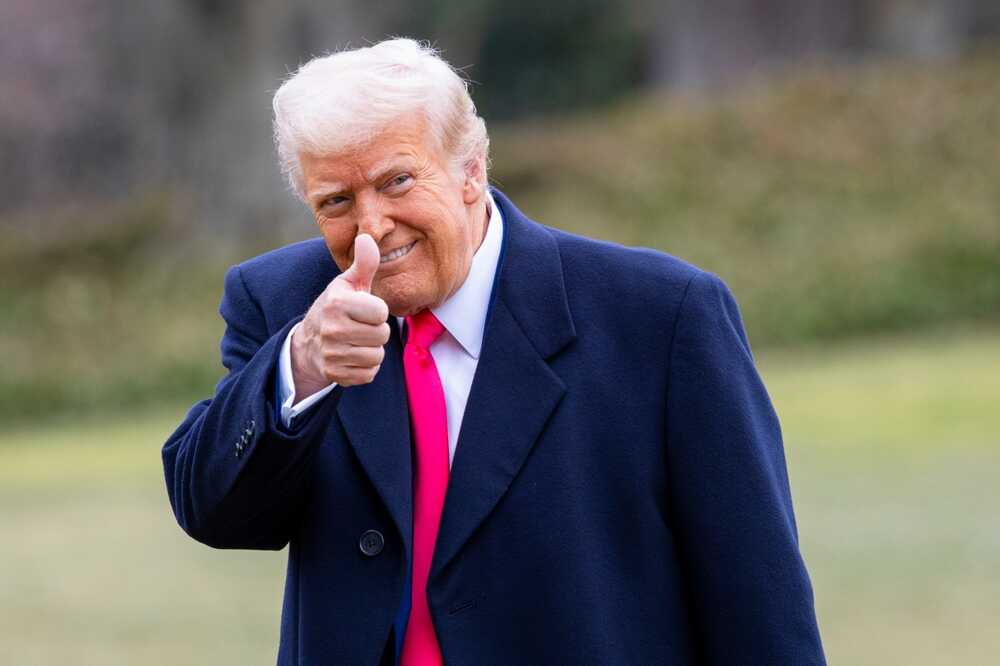
Trump’s rare walk through Zhongnanhai put the spotlight on how carefully Beijing stages power, access, and symbolism.
Quick Take
- Xi Jinping said he chose Zhongnanhai to reciprocate the hospitality Trump extended at Mar-a-Lago in 2017 [1].
- The visit took place inside the central government compound in Beijing, where Chinese leaders have lived and worked since 1949 [1].
- Xi pointed out ancient trees and roses on the grounds, and Trump showed interest in the roses [1].
- Trump’s China trip also included formal talks, a tea, a working lunch, and earlier ceremonial events [2].
A Symbolic Stop With Political Weight
The Zhongnanhai garden tour was not a casual side trip. NBC News’ transcript says Xi told Trump he chose the location “especially to reciprocate the hospitality” extended at Mar-a-Lago in 2017 [1]. That matters because Zhongnanhai is not a tourist site; it is the central government compound in Beijing where Chinese leaders have lived and worked since the founding of the People’s Republic of China in 1949 [1].
For conservatives watching decades of elite diplomacy, the image is familiar: two powerful leaders trading gestures while the public sees only the curated version. Xi’s message was plain reciprocity, but the setting itself carried the louder signal. Beijing used a tightly controlled venue to frame the encounter as personal, historic, and dignified, even as the broader relationship between the two nations remains defined by strategic competition, trade pressure, and distrust.
What Happened In The Garden
According to the transcript summary, Xi guided Trump past old trees and other landmarks on the grounds, including one tree said to be 490 years old and others described as more than 1,000 years old [1]. Trump also showed interest in the Chinese roses growing there, and Xi agreed to send seeds as a gift [1]. Those details suggest the walk was a real conversation, not just a photo stop, although the available material does not give a full itinerary or complete transcript [1].
The reporting available here does not identify everyone present, nor does it say whether aides, translators, or security personnel were visible during each part of the walk [1]. That limitation matters because access inside sensitive government compounds is heavily controlled. The public gets the polished images and quoted lines, but not always the full context needed to judge what was actually discussed versus what was staged for optics. That is standard practice in high-level China coverage, and it leaves room for selective storytelling.
Broader Visit Showed Heavy Choreography
South China Morning Post reported that Trump was officially welcomed by Xi at the Great Hall of the People, then held two hours of formal talks before visiting the Temple of Heaven and attending a state banquet [2]. The same report said Trump met Xi again on the final day over tea and a working lunch [2]. Put together, the trip looked less like an improvised visit and more like a highly managed diplomatic production built around ceremony, symbolism, and controlled access.
Xi Jinping Hosts Trump at Zhongnanhai | Garden Tour & Rose Seeds Gift#XiJinping #DonaldTrump #ChinaUSRelations #Zhongnanhai #Beijing #RoseSeedsGift #Diplomacy #TrumpInChina #GlobalPolitics #World pic.twitter.com/FyiMnxRkaY
— Asianet News English (@AsianetNewsEN) May 15, 2026
That choreographed approach should not surprise anyone who follows foreign policy closely. Host governments often use pageantry to project confidence and shape public perception, while media outlets then emphasize either the novelty or the drama of a moment. In this case, the garden tour became the attention-grabber, but the larger question remains what, if anything, moved in substance. The sources provided here do not confirm any policy breakthrough, only that the encounter was carefully staged and heavily narrated [1][2].
Why The Scene Resonates
For readers frustrated by globalist optics and endless diplomatic theater, the Zhongnanhai visit fits a familiar pattern. The visible exchange centered on ancient grounds, ceremonial hospitality, and a rose-seed gift, not on a concrete agreement that changes daily life for American families [1]. At the same time, the setting underscored China’s ability to control the environment and the message. That is the bigger lesson: in sensitive diplomacy, symbolism can travel faster than facts, and the public often sees the performance before the substance.
Sources:
[1] Web – Trump’s Bonkers Question to Xi on Private Tour Revealed
[2] Web – Trump leaves China after ‘very successful’ visit to ‘old friend …