

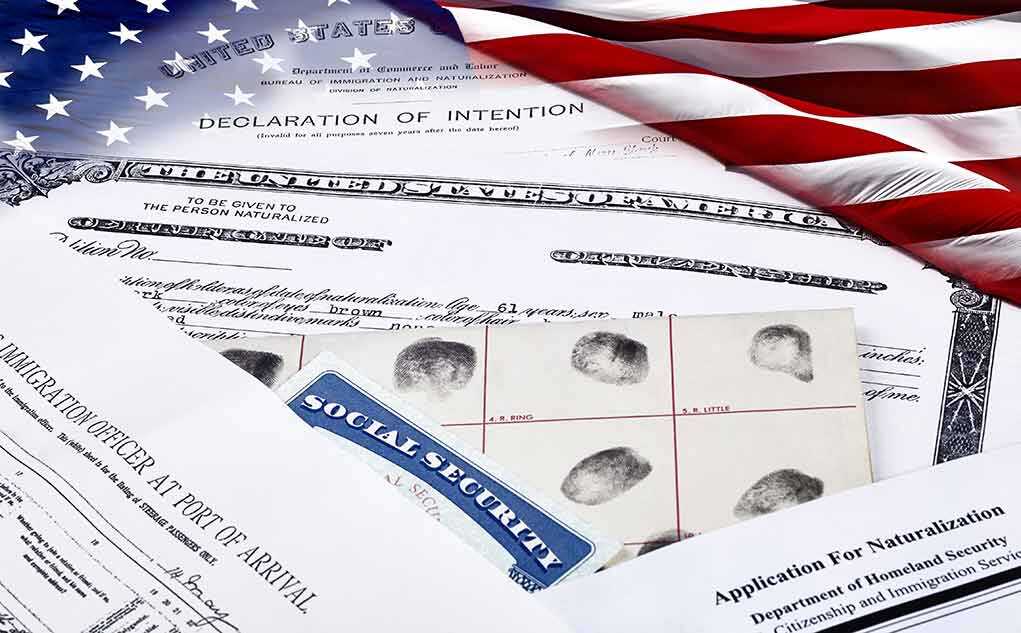
Internal records show U.S. immigration officials coordinated deportation flights with Iran and even accepted Tehran’s last-minute passenger list changes, igniting new questions about process, privacy, and priorities.
Story Highlights
- Emails describe coordination with Iranian officials on three deportation flights carrying more than 100 people.
- Advocates say some deportees were asylum seekers or part of vulnerable groups.
- A lawsuit alleges confidential asylum details were shared with Iran; the Department of Homeland Security (DHS) denies it.
- DHS says those removed had due process and final orders, and that coordination was logistical.
What the Emails Show About U.S.–Iran Coordination
Reports based on hundreds of internal emails say Immigration and Customs Enforcement coordinated directly or indirectly with Iranian officials on deportation logistics in late 2025 and January 2026. The accounts describe Iranian officials seeking last-minute changes to flight lists, and U.S. officials accommodating some of those edits. ABC News reports more than 100 Iranians were removed on three flights in September 2025, December 2025, and January 2026, citing the email trove released in August 2026.
Coverage attributes the records to a public disclosure request that produced newly released emails. Advocacy groups say the communications reflect deliberate prioritization, including orders within the agency structure to focus on Iranian removals. The Intercept reports the effort involved senior direction inside Immigration and Customs Enforcement, adding force to the claim that this was a coordinated series of removals, not an ad hoc process.
The Lawsuit and the Line Between Logistics and Confidentiality
A federal lawsuit filed in July 2026 claims U.S. officials shared confidential asylum file details with Iran. The complaint alleges that identities and sensitive personal information from asylum cases were provided to Tehran. The Department of Homeland Security called that allegation false and said the coordination was about travel documents and consular access. Reuters summarized the denial and noted that the government rejects any claim of unlawful disclosure.
Immigration law draws a bright line on privacy. Federal guidance says information tied to an asylum claim cannot be shared with foreign governments without written consent, except under narrow rules. Those rules allow internal sharing inside the federal government and specify very limited conditions for any foreign disclosure. That baseline matters here: if sharing happened as alleged, it would raise serious compliance concerns; if it did not, the issue is narrower, focused on logistics.
Who Was Deported and Why It Matters
Reports say the deported group included people who had asked for asylum and others from politically at-risk communities. Advocates argue those returns could expose them to danger. The Intercept and syndicated summaries use examples of political activists and religious or ethnic minorities among those removed. However, public reporting does not document what happened to the deportees after landing in Iran, leaving a key part of the risk claim unverified in the record now available.
How?
ICE Worked With Iranian Regime to Set Up Deportation Flights as Trump Laid Plans for War
Internal emails indicate immigration agents complied with an Iranian request to hand over specific nationals — and accidentally sent the wrong person to Iran. https://t.co/BGI30exLv0— Rhonda Mulford (@RhondaM252278) August 23, 2026
DHS says each person removed had a final order of removal or had agreed to depart and that due process was provided. Officials also argue that working with foreign governments, even hostile ones, is part of routine deportation logistics when travel documents and landing permissions are required. That position frames the cooperation as standard enforcement, not a policy departure, while the pending lawsuit seeks to test whether any privacy lines were crossed.
What Conservatives Should Watch Next
Congress and the public should insist on clarity about what was shared, who approved it, and whether privacy rules were honored. Lawmakers can demand the full record set behind the email excerpts and ask for sworn testimony from decision-makers. Clear answers protect both border enforcement and civil liberties. Conservatives want firm law enforcement, but they also expect the government to follow the law, protect personal data, and avoid giving any leverage to a hostile regime.
Two truths can stand at once. First, the United States must remove people with final orders and secure cooperation from other countries to do it. Second, the United States must guard asylum confidentiality and never allow a foreign regime to influence who boards a government flight beyond basic document checks. The difference is not subtle. It goes to the heart of limited government, due process, and American credibility.
Bottom Line: Enforce the Law, Protect Liberty
Border security fails if deportations stall, but liberty fails if the government cuts corners on privacy or due process. The email accounts point to Iranian requests that U.S. officials sometimes honored, and to more than 100 removals on three flights. The lawsuit raises a serious claim, while DHS issues a categorical denial. Until full records are released, the only responsible path is tough oversight that secures both a working border and the constitutional values we defend.
Sources:
feedpress.me, x.com, yahoo.com, youtube.com, notus.org