

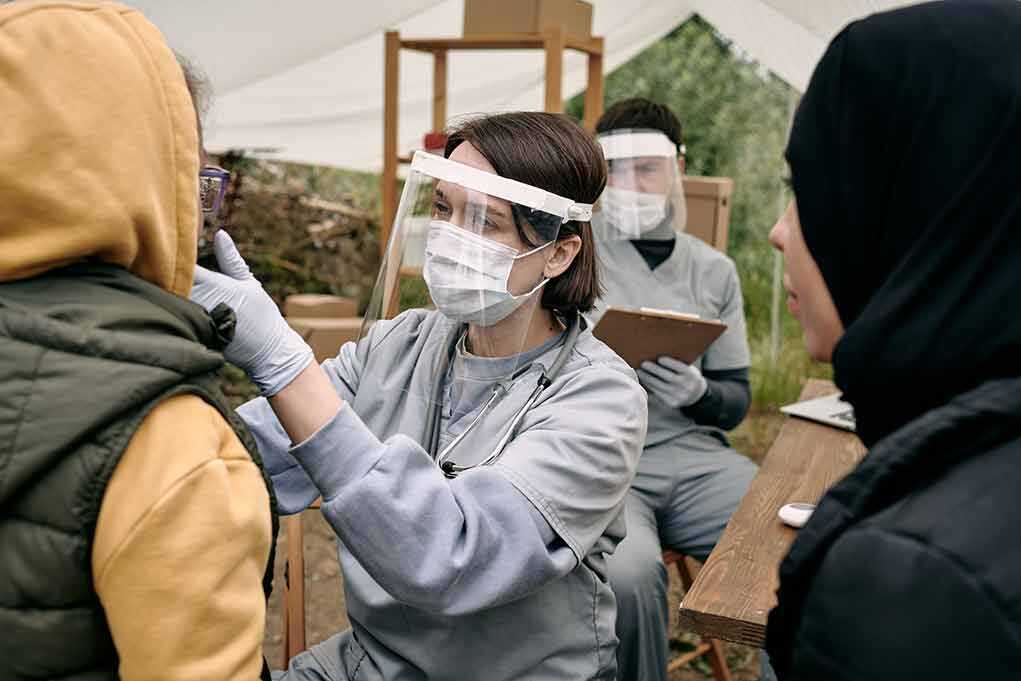
An Associated Press investigation reports more Nepali mothers and babies died after U.S. aid was cut, with local programs shuttered and care disrupted.
Story Highlights
- Associated Press links U.S. aid cuts to rising pregnancy complications and deaths in Nepal.
- Local outreach, nutrition support, and transport programs closed after funding fell.
- Nepal’s health minister and United Nations warnings describe real risks from aid shocks.
- Lawmakers face a choice: target waste while protecting life-saving, results-based aid.
What The Reporting Says Happened In Nepal
Associated Press reporters interviewed health workers, Nepali officials, aid staff, and families who described how U.S. funding cuts led to the end of outreach and nutrition programs that had kept expecting mothers connected to care. The report attributes more pregnancy complications and deaths to those closures. It cites individual cases, including a 20-year-old mother who died at 28 weeks along with her baby after losing access to services that once flagged danger signs early and linked women to clinics.
The Washington Post’s summary of the Associated Press findings echoes the core point: the United States pulled back funding last year, and deaths among pregnant women and infants in Nepal rose. It notes that the now-closed programs focused on simple, proven services, like nutrition help, prenatal checks, and transport to skilled birth attendants. Those basics often make the difference when preeclampsia, hemorrhage, or infection strike far from hospitals.
How Aid Shocks Hit Mothers And Newborns First
Nepal had reduced maternal deaths sharply over two decades, but its gains depended on steady support for frontline services. United Nations agencies and Nepal’s health ministry have warned that when funding drops, the first losses are outreach workers, community birthing centers, training, and supplies. That creates gaps in prenatal screening and emergency referrals, which quickly raise the risks for mothers and babies in remote districts with rough roads and few ambulances.
Peer-reviewed and policy analyses describe similar patterns in other places. When aid falls, coverage for prenatal and postnatal care, skilled birth attendance, and essential newborn care slips. Even a modest drop in coverage can push up deaths because pregnancy complications can turn deadly in hours without trained help. Modeling studies have estimated large increases in maternal deaths if aid-backed coverage declines across needy populations, underlining how sensitive these systems are to funding shocks.
What This Means For U.S. Policy Now
Conservatives want accountability and an end to waste. They also value saving innocent life with targeted, results-based action. The Nepal reporting highlights a narrow slice of aid that is low-cost and high-impact: local outreach, nutrition for pregnant women, basic transport, and timely referrals. These are not bloated programs. They are simple guardrails that prevent tragedy and reduce the need for later, costlier crisis response. Lawmakers can insist on strict audits while keeping these proven lifelines intact.
#GlobalLens | Nepal Feels The Fallout Of US Aid Cuts
Food assistance for pregnant women, birthing centres & healthcare training programmes have all been hit, raising fears that the fallout could translate into higher maternal and infant deaths. @ArchanaaSolanki @ShereenBhan pic.twitter.com/UE1CuiH3xZ
— CNBC-TV18 Prime (@CNBCTV18PrimeIN) August 13, 2026
Congress and the administration can align reforms with conservative goals. First, demand measurable results and public dashboards for maternal and newborn outcomes. Second, direct funds to transparent partners that train local workers and track every dollar. Third, set trigger rules that protect core prenatal and emergency referral services during any budget trim. This approach cuts bureaucracy, preserves life-saving basics abroad, and supports stability that also reduces future calls for large, reactive spending.
Limits And What To Watch Next
The Associated Press investigation relies on on-the-ground interviews, program records, and case reporting, which show local harm after U.S. cuts. National death totals can lag, but Nepal’s health minister and United Nations warnings point the same direction: when essential services stop, mothers and newborns pay the price. Watch for updated government data, independent audits of closed programs, and any restoration plans that prioritize outreach, transport, and frontline staffing where risks are highest.
Sources:
youtube.com, apnews.com, kurdistan24.net, reddit.com, ibtimes.co.uk