

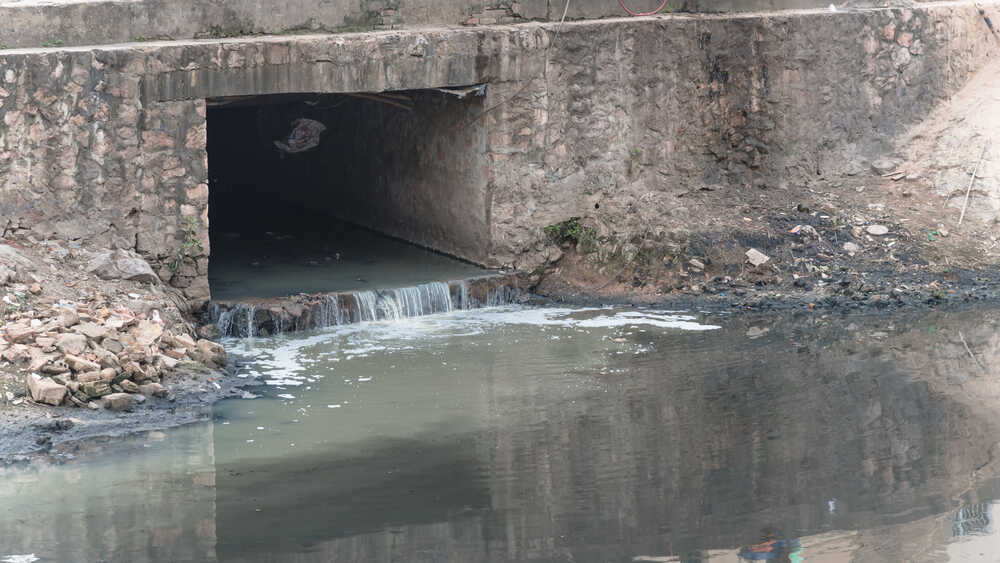
Aging infrastructure failure has unleashed a crisis in the nation’s capital region, as a ruptured Potomac Interceptor pipe spilled nearly 300 million gallons of raw sewage into the Potomac River. Water tests confirmed extreme contamination, with E. coli levels surging to almost 12,000 times the safe limit for human contact near Washington, D.C. The spill has created a public health emergency, banning recreation in popular boating areas and underscoring a national problem of neglected wastewater infrastructure and multi-billion-dollar repair backlogs.
Story Highlights
- 72-inch Potomac Interceptor pipe ruptured on January 19, 2026, spilling ~40 million gallons daily into the low-flow river near historic Lockhouse 10.
- Potomac Riverkeeper Network tests show contamination 11,900 times safe limits at the source, spreading 60 times elevated levels four miles to D.C.’s Fletcher’s Cove.
- DC Water races to install pumps amid winter storm threats, but critics call failure preventable amid known 1960s-era pipe decay and $1.33 billion repair backlog.
- Public health crisis bans recreation in popular boating areas; underscores national infrastructure neglect from years of mismanaged spending priorities.
Sewage Spill Details
The 72-inch Potomac Interceptor sewer pipe collapsed late January 19, 2026, near Clara Barton Parkway and Lockhouse 10 in Montgomery County, Maryland. Raw sewage erupted like a geyser into the Potomac River, which carried low winter flows that concentrated pollutants. By January 24, nearly 300 million gallons had spilled, marking one of the largest such incidents in U.S. history. The pipe, installed in the 1960s, serves D.C. and upstream areas with known deterioration despite recent partial rehab in September 2025.
Since Monday 40-60 million gallons of raw sewage a day have been flowing into the Potomac River near the DC Maryland border. @dcwater tells @nbcwashington they hope to have flow of sewage into the River stopped by Monday. This sign was put up where the overflow meets the river. pic.twitter.com/RSai9c0Q7o
— Mark Segraves (@SegravesNBC4) January 23, 2026
Extreme E. coli Contamination Confirmed
Potomac Riverkeeper Network conducted real-time testing on January 23, revealing 4,884,000 MPN of E. coli at the spill source—11,900 times the 410 MPN safe limit set by Virginia and Maryland standards. Levels at Lockhouse 10 reached 7,000 times above limits, while four miles downstream at Fletcher’s Cove in D.C. waters showed 60 times elevation. Such extremes pose severe risks of diarrhea and gastrointestinal illness, per CDC guidelines, hitting popular C&O Canal recreation spots hard.
DC Water Response Under Fire
DC Water spokesperson John Lisle reported installing pumps to divert the 40 million gallons per day of dry-weather flow through the C&O Canal back to treatment plants. Full containment targets January 26-27, but an incoming winter storm threatens overload. “DANGER: Raw Sewage” signs warn the public to avoid contact and wash if exposed. No drinking water impacts occurred, yet PRKN’s Betsy Nicholas stressed the long-term river damage cannot be overstated. Critics highlight ties to a 2015 EPA consent decree on maintenance lapses.
PRKN Riverkeeper Dean Naujoks blamed preventable infrastructure neglect, slamming DC Water’s reliance on a 100-year-old canal ditch plan as inadequate. American Rivers’ Gary Belan warned of more spills without urgent funding, noting D.C. alone needs $1.33 billion over 20 years per EPA estimates. Nationwide, hundreds of billions lag for wastewater fixes, exposing families to health hazards from deferred priorities under past big-government spending sprees.
Broader Implications for American Communities
EPA’s Kelly Offner coordinates with Maryland, Virginia, and D.C. agencies, receiving daily DC Water updates since January 19. Short-term bans shutter boating and swimming at affected sites, fouling odors plague samplers, and economic hits loom from repair costs and lost tourism. Long-term, ecosystem damage lingers in low flows, amplifying calls for fiscal responsibility. Under President Trump’s leadership, renewed focus on efficient infrastructure investment promises to sideline wasteful green agendas, prioritizing real fixes for hardworking Americans tired of government neglect.
Watch the report: Tens of millions of gallons of sewage spilling into Potomac daily | NBC4 Washington
Sources:
Sewage spill sends E. coli surging in Potomac River near D.C.
Massive sewer spill flowing into Potomac River upstream from Washington
Potomac River suffers massive sewage spill