
The U.S. Army quietly sent future serial killer Jeffrey Dahmer home with an honorable discharge, even as his record showed serious alcohol problems and disturbing claims from fellow soldiers.
Story Snapshot
- Jeffrey Dahmer served as an Army medic from 1979 to 1981 before an honorable discharge tied to alcohol abuse.
- Official accounts say he was separated under a substance-abuse rule after his performance fell apart.
- Fellow soldiers later alleged repeated sexual assaults, but no such misconduct appears in the discharge paperwork.
- Records also show a sergeant once urged “maximum judicial punishment,” raising questions about why the Army chose the soft exit.
How Dahmer Ended Up In Uniform And Why The Army Said He Had To Go
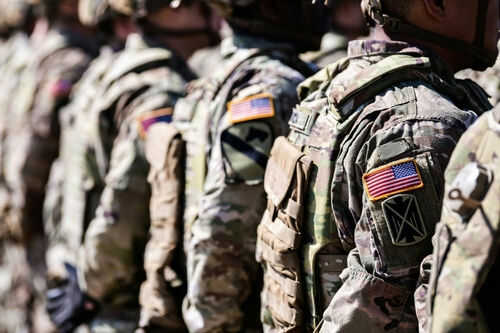
Jeffrey Dahmer joined the United States Army in late 1978 after dropping out of Ohio State University, pushed by his father to find structure and purpose. He trained and served as a combat medic, deploying to Baumholder, West Germany, with the 2nd Battalion, 68th Armored Regiment in 1979. Official reports from that first year rated him as an “average or slightly above average” soldier, suggesting he was not seen as a major problem at the start. Over time, however, his heavy drinking worsened, and superiors noted that his alcohol abuse was eroding his ability to do his job.
By March 1981, Army leadership decided Dahmer was no longer fit for military service and moved to separate him from active duty. Multiple outlets that reviewed his records report that he was processed under Chapter 9 of Army Regulation 635-200, a rule that deals specifically with soldiers whose substance abuse ruins their performance even after enrollment in the Army Substance Abuse Program. That pathway leads to administrative separation, not criminal punishment, and focuses on the alcohol problem, not other misconduct. The Army determined his issues were “unsuitability” for service due to drinking, not a crime that demanded a court-martial.
Why An Alcohol-Based, Honorable Discharge Still Troubles Many Observers
Dahmer did not receive a bad-conduct or dishonorable discharge, or even a general discharge that might signal serious misconduct. Instead, he left with an honorable discharge, the top character of service, which usually implies “honest and faithful service” and protects access to veterans’ benefits. Reports say his superiors believed his drinking and job problems were tied to the stresses of Army life and would not carry over to civilian life, so they did not push for a harsher label. This decision fit a broader pattern in the forces, where most problem cases end in administrative action rather than punitive discharges, especially when the paperwork can point to substance abuse instead of criminal charges.
Years later, Dahmer’s stepmother Shari said plainly that “his propensity for drinking” earned him a discharge, echoing the official alcohol-focused story. Yet critics point to one personnel record that shows his section sergeant once found him “highly intoxicated” and recommended “maximum judicial punishment,” the strongest path under military justice. That recommendation was never followed, and Dahmer left the Army just weeks later with a clean, honorable record. The absence of any written explanation for why commanders ignored the call for harsher punishment fuels doubts about whether the alcohol-only story tells the whole truth.
Alleged Assaults, Missing Records, And Why Speculation Keeps Growing
Later accounts from former soldiers say Dahmer’s behavior in Germany included far more than drinking. One roommate, Billy Capshaw, alleged that Dahmer repeatedly raped him over a period of many months while they were assigned together. Another soldier, Preston, who served in the same unit, described Dahmer as openly racist and linked his own later alcohol problems to the trauma of those years. These claims match the violent and sexual pattern Dahmer showed in civilian life, where he committed his first murder before enlistment and later became infamous as a serial killer and sex offender after returning to Milwaukee.
Despite those serious accusations, publicly discussed Army paperwork on Dahmer focuses only on alcohol abuse and performance decline, not sexual assault or other crimes. There is no visible record of a formal investigation into sexual misconduct, no court-martial, and no psychiatric report that weighs both drinking and alleged assaults. The National Archives has listed Dahmer under its “Persons of Exceptional Prominence” program, which should make his Official Military Personnel File easier to access, but his full file and original discharge memo have not been released. Until those primary documents and any medical evaluations surface, citizens are left to weigh secondary summaries against the testimony of alleged victims and the choices of commanders who took the administrative path of least resistance.
Sources:
military.com, yahoo.com, reddit.com, militarytimes.com, en.wikipedia.org, biography.com, protectourdefenders.com, archives.gov, facebook.com, ipl.org, sciencedirect.com, veteransaidbenefit.org, court-martial.com