

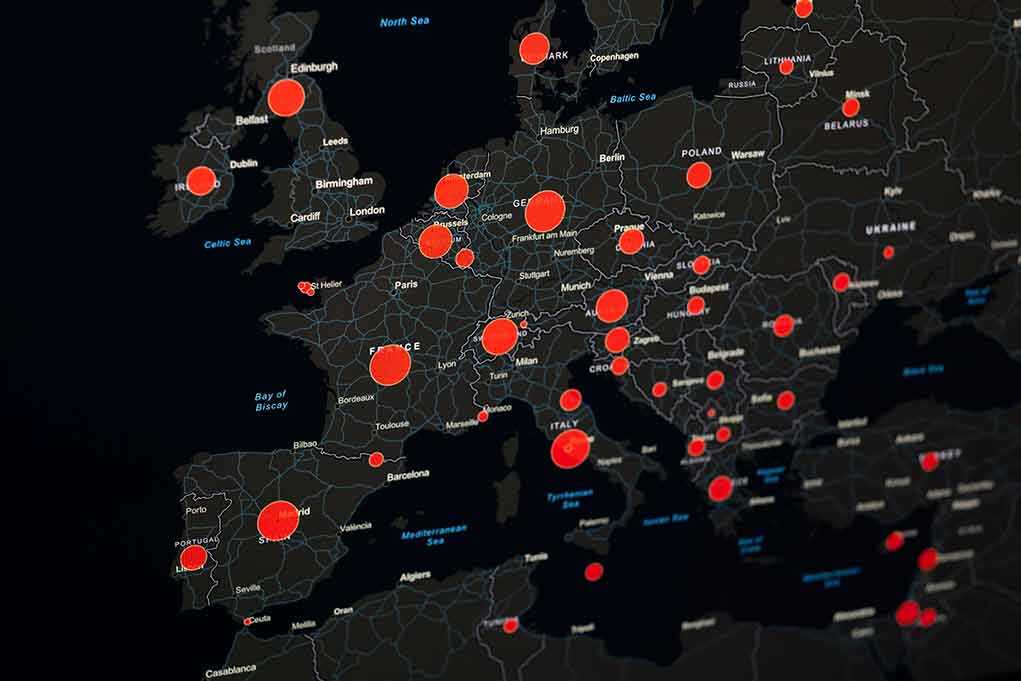
France’s wildfire disaster is so vast that even President Emmanuel Macron now calls it the nation’s toughest fight since the Second World War.
Story Snapshot
- Macron says France is facing its most severe wildfire crisis and “toughest” situation since World War II.
- More than 160,000 hectares have burned nationwide, with about 42,000 hectares scorched in southwest France alone.
- Around 220,000 people have been evacuated in France, and about 360,000 across France and Spain.
- French officials describe the Bordeaux-area blaze as one of the largest and most dangerous fires since 1949.
Macron’s WWII comparison and the scale of the disaster
French President Emmanuel Macron told firefighters and emergency crews that France is now facing its “most severe” wildfire crisis on record and “the toughest since the Second World War.” During a visit to the hard-hit southwest, he said more than 160,000 hectares of land have already burned, and the fire season is “far from over.” That scale goes far beyond normal summer fire damage and turns the situation into a national test of France’s emergency system.
Reports from national and international outlets say Macron repeated this warning across several visits, calling the wildfires one of the worst disasters in modern French history. He framed the fight against the fires almost like a war, telling responders that “the whole nation is behind you” as they battle blazes in Gironde and other regions. This language underscores how stretched French firefighting forces have become as they try to protect towns, forests, and infrastructure at the same time.
Evacuations on a historic scale in France and Spain
French authorities say about 220,000 people have been forced to evacuate in France, including residents and tourists in the Gironde coastal region near Bordeaux. Coverage of the broader European crisis reports that about 360,000 people have been evacuated across France and Spain, making it one of the largest evacuation efforts on the continent since World War II. Families have had to leave homes, campsites, and businesses, often with little warning as fast-moving flames and heavy smoke approached.
Television and wire reports describe highways and rail lines around Bordeaux being shut down, cutting off normal travel in a popular holiday area. Officials say some evacuees have briefly returned to certain towns, but many remain away as the risk of flare-ups stays high due to heat and drought. Local leaders warn that rebuilding will take time once fires are finally controlled and that some communities may never fully return to their pre-fire way of life.
Record burn areas and “largest since 1949” claims
Macron’s “toughest since WWII” warning lines up with figures from French agencies that show huge burned areas and record pressure on fire services. Reports from Fontainebleau near Paris say about 35,000 hectares had already burned there and elsewhere by mid-July, more than the entire French fire season the year before. In southwest France, other accounts say about 42,000 hectares have burned in one major forest fire, making it one of the country’s largest since World War II.
French and foreign outlets quote officials calling at least one massive blaze the largest wildfire France has faced since 1949, when an earlier historic fire struck. Some coverage also notes that the total area burned this year has already broken previous records set in recent decades, which supports Macron’s claim that the country has never handled so many large fire outbreaks at once. These statements suggest that, however we measure it, the current fire season is among the worst in France’s postwar history.
What this crisis reveals about policy, climate, and preparedness
Reports link the wildfires to a mix of record heatwaves, dry conditions, and strong winds, all of which helped flames spread quickly across forests and rural land. Macron has warned of a “tough summer” and pledged “zero tolerance” for arson, saying France has never faced this level of wildfire pressure since the end of World War II. Authorities note that multiple heatwaves since May left soil and vegetation very dry, turning wide areas into fuel for any spark.
Türkiye has dispatched two firefighting aircraft to France to support efforts to contain deadly wildfires, while two Turkish aircraft are also assisting Spain as blazes continue to rage across southern Europe.
Agriculture and Forestry Minister Ibrahim Yumakli said Türkiye… pic.twitter.com/1hVxQ4dK0x
— TRT World (@trtworld) July 28, 2026
While full historic fire data back to 1945 is not presented in public reports, Macron’s message reflects what French officials are seeing on the ground day to day. They describe nationwide fire strain, record evacuations, and the largest single wildfire in decades, all happening before the usual August peak. Journalists point out that crisis coverage often uses words like “largest” and “worst” early, but in this case the numbers and official statements consistently support the idea that France is living through a wildfire season of truly exceptional severity.
Sources:
youtube.com, brusselstimes.com, rfi.fr, connexionfrance.com, dallasnews.com, qatar-tribune.com, telegraph.co.uk, independent.co.uk, bbc.com, nbcnews.com