

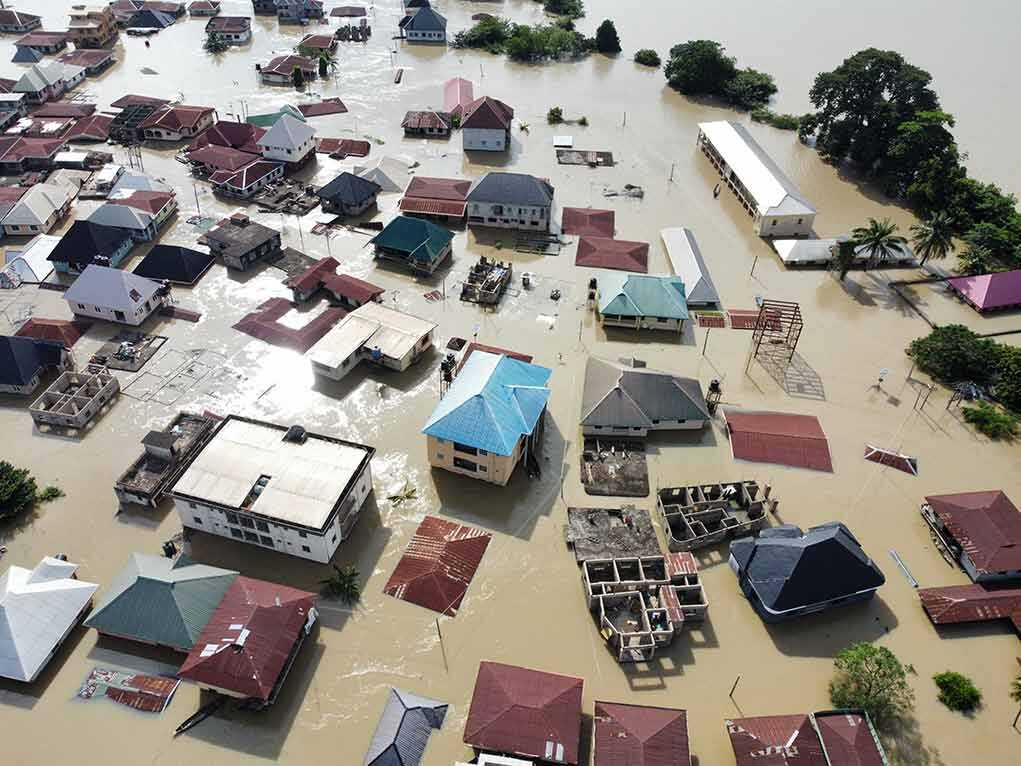
Japan’s weather agency issued its highest emergency rain warning near Tokyo after torrents triggered floods, landslides, and power cuts.
Story Highlights
- Japan Meteorological Agency raised a Level 5 Emergency Warning in parts of Chiba
- Flooding, landslides, and power outages hit eastern Japan communities
- At least one death reported as evacuations and rescues unfolded
- Emergency Warning system signals a significant risk of catastrophe
Highest-Level Warning Hits Chiba As Torrents Pound Region
Japan’s weather authority issued a Level 5 Emergency Warning, its top alert, for heavy rain in parts of Chiba Prefecture, east of Tokyo, after downpours soaked the region on Thursday evening. The warning followed reports of rapid flooding and rising landslide danger as rain bands stalled over population centers. Officials urged residents to seek higher ground and avoid rivers and slopes. The Level 5 alert, rarely used, signaled an extreme threat to life and property across affected municipalities.
Local media reported power outages and transportation delays as water swamped streets and rail underpasses. Emergency crews answered calls for stranded drivers and families trapped in low-lying homes. The weather agency said the storm pattern pushed intense moisture into eastern Japan, worsening runoff in urban zones where drainage can clog fast. Photos and video showed cars half-submerged and muddy debris rushing down narrow channels as responders moved door to door.
Casualties And Damage Mount As Evacuations Expand
Authorities confirmed at least one death linked to the downpour in Chiba, where a second person was found with no vital signs. Local governments opened shelters and advised vulnerable residents to evacuate ahead of nightfall. The alerts covered both flooding and landslide risk as rain continued over saturated hillsides. Power companies worked to restore service to thousands of homes while rail operators trimmed schedules and warned of longer delays if tracks flooded again.
Officials cautioned that swollen creeks can turn dangerous within minutes, especially near underpasses, levees, and tight bends. Rescue teams positioned equipment along river corridors where past storms had caused sudden breaches. Meteorologists said additional bands could train over the same districts, raising the chance of more flash floods. Residents were told to act on evacuation guidance and avoid risky shortcuts, even if rain briefly eased between bursts of heavier cells.
How Japan’s Emergency Warning System Works In Practice
Japan’s Emergency Warning system is designed to alert the public when there is a significant likelihood of catastrophe from extreme weather. A Level 5 Emergency Warning is the highest tier, and it means residents should take immediate action to protect life, not wait for more instructions. The alert can arrive before the worst damage occurs, because it is based on clear thresholds that predict severe outcomes. This helps responders move people to safety faster.
Weather officers balance speed and accuracy as conditions shift. That is why warnings focus on imminent danger, while detailed impact reports follow later. During Thursday’s event, that approach aimed to get seniors, families, and commuters away from flood zones and unstable slopes early. The system has grown more precise after past disasters, but officials still stress simple rules: go higher, stay away from rivers, and follow local evacuation maps when alerts rise to Level 5.
For American travelers in the region and U.S. families tracking loved ones, the main takeaway is straightforward: heed local orders and move before water rises. Japan’s alert structure mirrors the common-sense approach our emergency managers teach here at home. Early warnings save lives when people act fast. This storm is a reminder that strong infrastructure and clear communication matter, and that personal readiness beats any bureaucracy when minutes count.
Sources:
insiderpaper.com, english.news.cn, english.adnkronos.com, japantimes.co.jp