

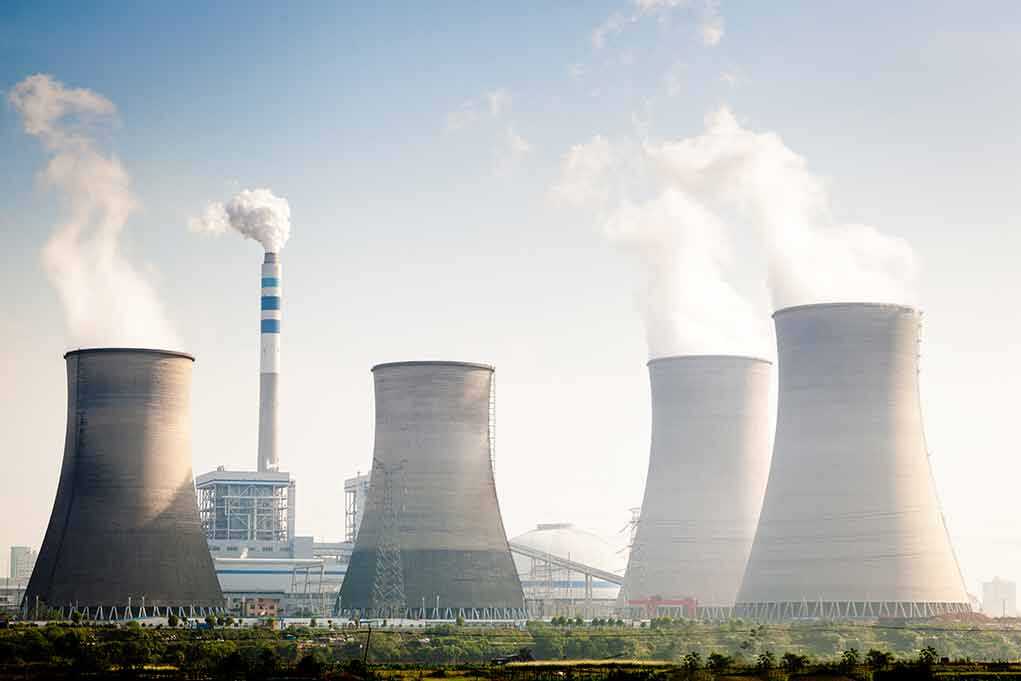
China’s surging nuclear buildout is on track to lead the world’s new reactors into the 2030s, tightening Beijing’s grip on critical energy and industrial power.
Story Highlights
- China operates dozens of reactors and leads the world in new builds under construction.
- Official plans target major capacity gains by 2030 and beyond, backed by state approvals.
- Build times and costs in China undercut Western projects by wide margins, analysts report.
- Dominance claims rest on capacity trends; generation leadership depends on execution.
Beijing’s Reactor Surge Outpaces the West
World Nuclear Association data shows China running a large fleet and building more at a pace unmatched by others. Industry databases list China with dozens of operating reactors and a heavy share of the world’s under-construction units, reflecting several straight years of approvals and groundbreakings. This push marks a structural shift. While the United States maintains the largest historic output, China’s pipeline signals who is adding steel, components, and jobs in the near term.
Chinese authorities and companies have reported consistent starts across coastal sites, showing a sustained program and not a one-off burst. World Nuclear News detailed State Council green lights for groups of new units at multiple plants, including recent approvals in 2024 and 2026 that keep crews and supply lines active. That assembly-line rhythm builds know-how and reduces risk. It also signals long-term intent to lock in grid-scale, low-carbon baseload power at home and influence markets abroad.
Official Targets Point to 2030–2035 Milestones
World Nuclear Association reporting cites a 110 gigawatt capacity goal around 2030, aligning with China’s planning cycle and ongoing project flow. Power industry coverage has also referenced a 2035 horizon for even larger totals as approvals continue. China’s government portal said in 2024 that 102 nuclear power units were operating or under construction, with a goal for nuclear to reach about 10 percent of the energy mix by 2035, which underscores policy momentum. These statements frame the scale and timing of the expansion.
The strongest evidence supports capacity leadership and project share rather than guaranteed generation dominance. Analysts widely agree that China holds a disproportionate share of the world’s builds and could overtake advanced economies in installed capacity around 2030 if schedules hold. That shift matters for supply chains, standards, and pricing. It also shapes where the next generation of engineers, welders, and control room operators train and work, which can tilt competitive advantage for decades.
Speed, Scale, and Domestic Supply Chain Advantages
BloombergNEF analysts reported that China often completes reactors in about five to six years. They added that project costs run at roughly one-fifth of Western builds, helped by standard designs, repeatable sites, and domestic content near 90 to 95 percent. This mix reduces delays and cost shocks. It also means most value stays inside China’s factories. Those plants refine forgings, pumps, and digital controls that form the backbone of each new unit, compounding experience with every pour and weld.
Western programs face a tougher slope. Projects in North America and Europe often take more than a decade, with overruns that strain budgets and public patience. China’s cluster builds on single sites cut soft costs and share crews, cranes, and laydown areas. That lowers risk from one unit to the next. The lesson is clear for American energy security. A country that can build complex plants faster and cheaper gains leverage over fuel supply, grid stability, and technology exports.
What “Dominance” Does—and Does Not—Mean
Credible sources show China leading in reactors under construction and moving toward capacity leadership by 2030, with further gains by 2035 if targets hold. That is a real edge. But “dominance” in electricity output depends on how many units connect to the grid, how often they run, and how the grid uses them. China’s own goal of about 10 percent nuclear in its energy mix by 2035 shows ambition, but also that coal and other sources will still carry large shares.
For American readers, the takeaway is twofold. First, China is executing a national plan to control a vital slice of the world’s clean, firm power—an energy source our factories and data centers will need. Second, the United States can respond by cutting red tape, streamlining licenses, and backing proven designs that can be built on time and on budget. President Trump’s team has pushed for faster permits and onshoring. Matching China’s speed and cost is the next test of resolve.
Sources:
zerohedge.com, en.cnnc.com.cn, nipp.org, armscontrol.org, powermag.com