
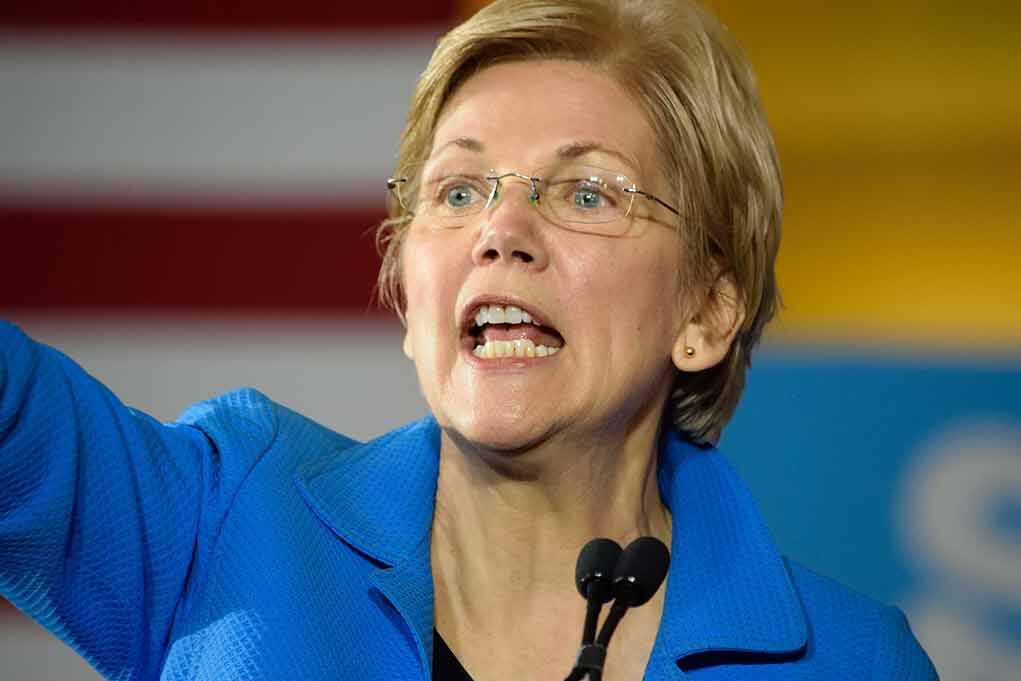
Senator Elizabeth Warren warned that President Trump could “cheat” or “disrupt” the 2026 midterms, reviving pre‑election interference claims just weeks before voters head to the polls.
Story Highlights
- Elizabeth Warren raised election interference fears on a cable segment, citing cheating and disruption risks.
- Senate Democrats separately highlighted Trump remarks about federal involvement in vote counting.
- Senator Mark Warner described what he called a possible coordinated effort aimed at 2026 contests.
- Warren urged Democrats to vote as the “best safeguard,” not claiming interference already happened.
Warren’s On-Air Warning Cites Cheating, Disruption, And Depressed Turnout
Senator Elizabeth Warren said on an MS NOW program in October that she worries about election interference. Warren asked whether President Trump would try “to cheat in the election,” “disrupt things,” or “discourage Democrats from voting.” She framed the concern as a current risk as early voting ramps up. Warren then told listeners that the best protection is turnout, saying people should vote and get others to vote as well, rather than alleging completed misconduct.
Warren’s comments arrived as Democrats seek to energize their base in key states. Her message echoed her August push for party unity to block the Trump agenda by flipping Congress. The renewed focus on interference comes near the end of the campaign calendar, when narratives can harden fast. By tying risk to possible voter discouragement, the senator linked practical get-out-the-vote goals with a warning about election security posture.
Democratic Officials Point To Trump Rhetoric On Federal Role In Elections
Senate Democratic leaders circulated a release quoting Trump about federal involvement in elections, including the idea that the federal government should help count votes. The release warned agencies to preserve election records and not to conceal actions. It framed Trump’s words as a push to “take over the voting.” The document did not report seized ballots or blocked voters but spotlighted rhetoric and potential executive actions as red flags before ballots are tallied.
Senator Mark Warner, who leads work on intelligence issues, signaled a broader alert earlier this year. He said there may be a coordinated attempt to interfere in the 2026 midterms and noted that trouble could start during primaries. Warner and colleagues also pressed the Department of Justice for clarity on the fair and legal use of federal election monitors, reflecting concern about the line between lawful oversight and undue control at polling places.
Fears Extend To Control Of Machines And Ballots, Though Claims Remain Prospective
Contemporaneous reporting described concerns among Democratic committee leaders that the administration could cite foreign meddling as a reason to seize ballots in close races or impound voting machines. Those scenarios, raised in press coverage, depicted an aggressive federal posture at odds with state control of election machinery. The reporting laid out possibilities, not confirmed actions, but it showed how opponents believed interference might look if deployed on the ground.
PURE PROJECTION: Elizabeth Warren Frets About Trump and the Midterms: ‘I Worry About Election Interference’ (VIDEO)
— Carolann (@Khaleesicorleo) October 14, 2026
Warren’s on-air remarks kept the focus on turnout as a countermeasure. That call fits a common election playbook: warn of risks, rally voters, and define the stakes. The claims, however, did not name a specific planned operation or responsible official, and they arrived through partisan communications and media segments. The public record cited here documents what these officials said and warned about, not a court-tested case or a reported seizure of equipment.
What It Means For Voters Who Care About The Constitution And Local Control
State officials run elections. Federal help must respect the Constitution and clear limits. The Elections Clause gives states the lead, with Congress setting broad rules for federal races. That is why calls to “take over” counting draw strong reactions. Voters should watch any attempt to centralize control of equipment, ballots, or counting. They should also expect transparency and proper legal process if federal personnel appear at polling places or counting sites.
For readers paying high prices and tired of culture wars, the path is simple. Know your polling place rules. Bring proper identification where required. Vote early if your state allows it. Track your ballot using official state tools. Demand that any federal presence follow written law and remain narrow. Support clear chain-of-custody logs and open observation rooms. These basic steps strengthen trust without handing control to Washington or to partisan operatives.
Bottom Line: Loud Warnings, No Proven Takeover—Turnout And Transparency Still Matter
Warren, Senate Democrats, and aligned media amplified warnings about interference and federal control in the final stretch. Their claims point to rhetoric and possible scenarios, not an executed plan. The surest response for citizens is to vote and insist on lawful, local election administration with visible checks. Watch what happens at polling places and counting rooms, not just what is said on television. Sunlight and strong turnout remain the best answers to any effort to game the rules.
Sources:
ground.news, mediaite.com, warner.senate.gov, lasvegassun.com, rmb.reuters.com