
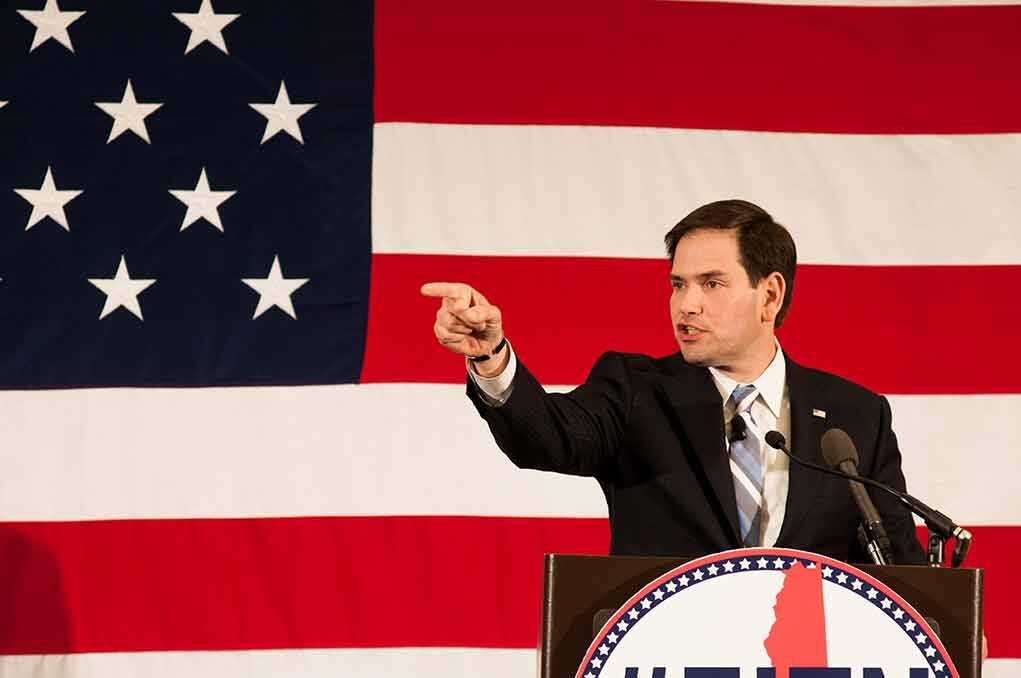
Amnesty International accused America of possible “war crimes” in Iran, and Secretary of State Marco Rubio fired back, calling the group a fraud based on its politicized claims.
Story Highlights
- Amnesty claimed U.S.-Israeli strikes in Tehran killed at least 41 civilians and may be unlawful.
- Rubio rejected the charge, urging focus on Iran’s regime abuses and repression.
- A United Nations fact-finding report said there are “reasonable grounds” the U.S. committed a war crime in one incident, a claim the administration disputes.
- Debate centers on open-source evidence and whether Amnesty’s methods fairly reflect battlefield realities.
Amnesty’s Allegations About March Strikes In Tehran
Amnesty International released a briefing naming three Tehran neighborhoods and alleging deadly harm from March 1 to 13, 2026. The report cites explosive weapons with wide-area effects used in densely populated areas. The group reported at least 41 civilian deaths, and damage to homes, a school, and local businesses. Amnesty urged an independent probe to determine if the attacks were unlawful and if war crimes occurred. The claims rest on open-source imagery, videos, and witness accounts.
A separate article summarizing the briefing echoed the core points. It described alleged coalition strikes on Resalat, Niloufar, and Javadieh neighborhoods and repeated the 41 dead figure. The coverage highlighted calls for accountability and reparations if violations are proven. It stressed that explosive weapons can cause wide-area harm when used in cities. That is why investigators want to know target type, precautions taken, and proportionality standards under the laws of war.
Rubio’s Pushback And The Administration’s Position
Secretary of State Marco Rubio dismissed Amnesty’s charge and the framing around U.S. conduct. Rubio called Amnesty “a fraud” and said the group should prioritize Iran’s regime abuses against its own people. He pointed to reports of killings of protesters and pressure on medical workers, which he labeled crimes against humanity. Rubio argued that the United States follows lawful targeting and coalition protocols and that critics ignore Tehran’s pattern of brutality and regional aggression.
The administration also faces a United Nations review that advanced a contested claim. The United Nations fact-finding mission reported “reasonable grounds” to believe the United States committed a war crime in at least one strike. That language signals a basis for investigation, not a final legal ruling. A U.S. official quoted in reporting rejected the charge and said the only war crimes come from the Iranian regime, underscoring the dispute over facts and standards.
How To Read Claims Built On Open-Source Evidence
Amnesty’s case relies on satellite images, geolocated video, crater analysis, and witness accounts. These methods can be useful when on-site access is blocked. But critics warn that non-government groups can face bias risks and incomplete data. Scholars note Amnesty protects credibility but still faces incentives that may shape findings. That tension is why governments urge caution and stress full targeting details and classified context before reaching final conclusions.
For readers, one key divide matters. Amnesty asserts there is evidence that could show unlawful strikes and seeks an independent probe. The administration answers that the United States targets lawfully, weighs civilian risk, and confronts an Iranian regime that hides assets near civilians. Those two claims can only be reconciled through verified targeting records, munition data, and battlefield intelligence. Until then, provisional reports should not be treated as court verdicts.
Why This Fight Matters To American Readers
Accusations of “war crimes” against America carry real stakes. They can chill self-defense, fuel lawfare, and weaken alliances. They also can be used by hostile regimes to smear the United States while they crush their own people. Rubio’s response reflects a wider concern: that some watchdog groups stack the deck by ignoring how Iran embeds threats near homes, schools, or clinics. Fair investigations must ask what we targeted, why, and what steps we took to avoid civilian harm.
President Trump’s team says it will defend U.S. service members and keep faith with the law. That means standing up to politicized charges while reviewing any credible claim of error. It also means calling out Tehran’s repression and terror sponsorship. Americans deserve clear rules of engagement, real accountability if mistakes happen, and zero tolerance for propaganda dressed up as “rights” work. Our troops act for our security, not for applause from global nongovernmental groups.
Sources:
amnestyusa.org, forth.news, amnesty.org, amnesty.de, jpost.com