
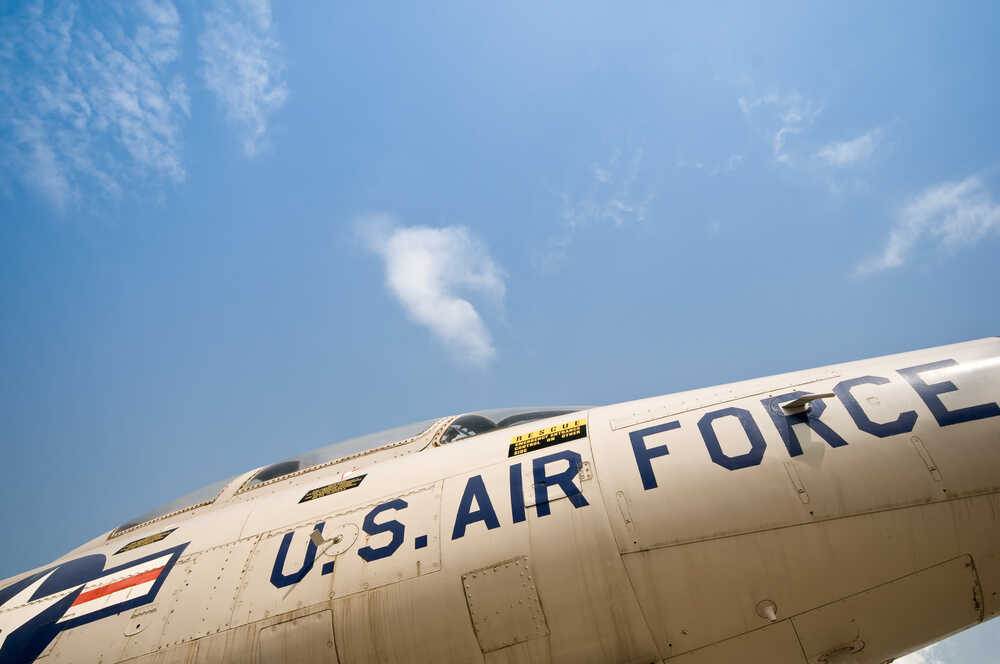
A U.S. Air Force helicopter reportedly set down near Washington’s German Embassy, underscoring nagging safety gaps in the capital’s crowded airspace even as details remain unconfirmed.
Story Snapshot
- Reports say a U.S. Air Force helicopter made an emergency landing near the German Embassy in D.C.
- No official statement has confirmed the July 2026 landing, aircraft type, or cause.
- Air Force Huey crews from Joint Base Andrews have a record of safe precautionary landings in the D.C. area.
- D.C. airspace safety has faced scrutiny after high-profile helicopter-airliner conflicts and policy debates.
What Is Reported And What Is Verified
Local social posts and aggregation sites claimed a U.S. Air Force helicopter made an emergency landing off Foxhall Road Northwest near the German Embassy in Washington. As of publication, no official release from the Air Force or District police confirms the date, tail number, crew, or cause. No on-record witness statements are available, and no Federal Aviation Administration database entry is cited. Given limited confirmation, facts about the specific event remain unverified and require caution before drawing broader conclusions.
The pattern of Air Force helicopter activity in the National Capital Region helps frame what may have happened. The 1st Helicopter Squadron at Joint Base Andrews operates UH-1N Huey helicopters for training and VIP support around Washington. That unit has conducted precautionary landings in public places without injuries when alerts or minor issues arise. In one case, a pilot later said a warning light was a false alarm and there was no mechanical problem, and the aircraft departed safely.
Documented Precedents For Safe Precautionary Landings
Air and Space Forces Magazine reported an Andrews-based UH-1N Huey took small-arms fire during a 2020 training flight and made a safe emergency landing in Virginia; the crew survived and the aircraft set down without further harm. A separate video report showed an Andrews 1st Helicopter Squadron aircraft landing at FedEx Field after a technical alert, with no injuries or damage reported. These cases show crews train for contingencies and can land safely in the region when needed.
Fox 5 D.C. covered a 2025 landing next to an Alexandria elementary school. The station reported the Huey was on a routine training mission, set down safely, and later left after checks. The pilot stated the light that triggered the landing was a false alarm, and no mechanical issue was found. These outcomes align with standard military aviation practice: land, assess, fix if needed, and avoid risk to people on the ground. They also show why on-scene photos can look dramatic while the cause is routine.
Why D.C. Airspace Demands Extra Care
Washington’s airspace is among the most complex in the country. Recent reporting shows how military helicopter flight paths and civilian arrivals can conflict when procedures slip. In May 2025, two airliners aborted landings at Reagan National Airport after an Army helicopter flew a loop near the Pentagon. Federal agencies opened an inquiry into those near-misses, highlighting gaps in coordination and route design in the crowded corridor. These facts explain why any helicopter incident near embassies or city streets draws quick attention.
The same environment pushes commanders and pilots to choose caution. Training flights include practice for emergency procedures. When a cockpit alert triggers in dense urban airspace, crews often land at the nearest safe spot rather than press on. That choice protects lives and property. Past safe outcomes in Alexandria and at FedEx Field back that approach. Until the Air Force, the Federal Aviation Administration, or District police release incident details for the reported Embassy-area landing, the most responsible view is that trained crews applied standard risk controls, as they have before.
What Conservatives Should Watch Next
Taxpayers deserve transparency and safety without political spin. The administration should direct quick release of basic facts after any urban landing: aircraft type, unit, cause, and whether maintenance or air traffic issues played a role. Clear answers deter rumor and help fix real problems. Congress has pressed the Pentagon and aviation regulators after recent conflicts between helicopters and airliners; that oversight should continue to protect the public and avoid heavy-handed flight bans that hamper legitimate missions.
Actionable steps are simple. First, Air Force Public Affairs and Joint Base Andrews should provide a brief incident summary if the Embassy-area landing occurred. Second, the Federal Aviation Administration should confirm whether controllers or routes were involved. Third, if this was a false alert, say so. If it was a maintenance fault, publish the fix. Sunlight builds trust, keeps crews flying their missions, and keeps politics from driving rash rules that could weaken readiness or delay emergency response in the capital.
Sources:
thegatewaypundit.com, airandspaceforces.com, reuters.com, bbc.com