
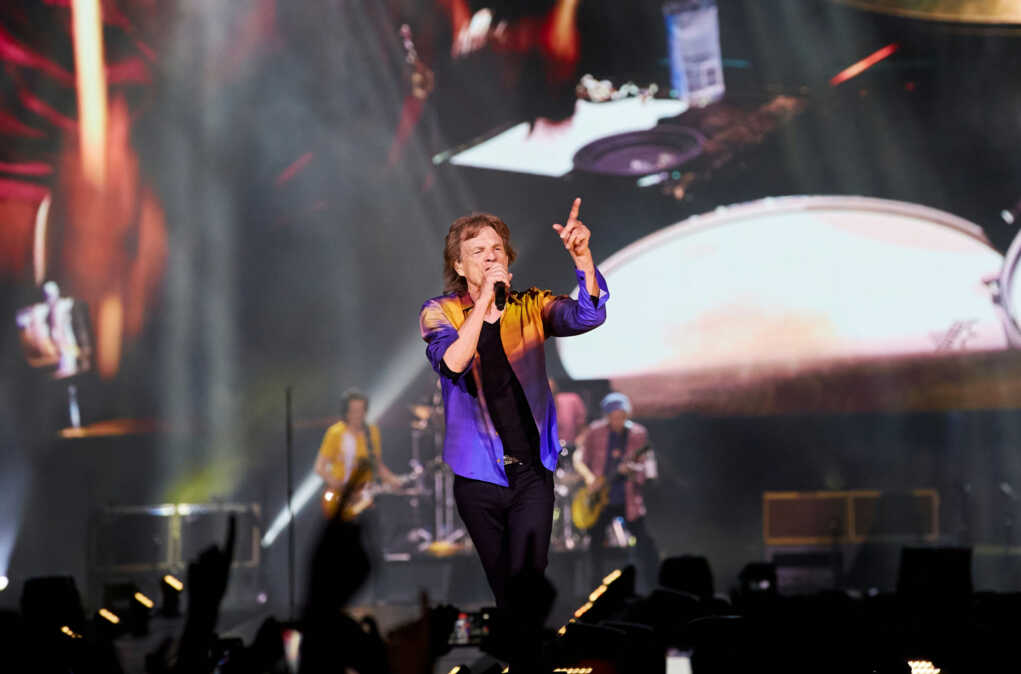
Mick Jagger says fans do not want political lectures at concerts after Bruce Springsteen used his Washington show to attack President Trump and urge “aggressive, peaceful action.”
Story Snapshot
- Bruce Springsteen criticized President Trump during his May 27 Washington concert and urged political action.
- Mick Jagger said concertgoers want music, not lectures, drawing a contrast with Springsteen.
- Springsteen fans on video voiced support for his anti-Trump commentary before the show.
- Artists clashing with Trump has become a recurring trend during his second term.
Springsteen’s Washington Speech Targets Trump, Calls for Action
Bruce Springsteen told the crowd at Nationals Park on May 27 that the president “wishes nothing but ill upon those who he disagrees with.” He framed the remarks as civic duty and urged “aggressive, peaceful action to defend our country’s ideals,” echoing the “good trouble” line linked to John Lewis. He acknowledged feelings of “helplessness” and “anger,” then performed “Chimes of Freedom,” underscoring the theme of struggle and resolve in hard times.
Springsteen also tied his Land of Hope and Dreams tour to both “a celebration and a defense of America,” according to local coverage of the show. He placed politics inside the concert experience, not outside it. His words and setlist blended music and message, including songs that reference refugees and soldiers, further linking the performance to present-day debates over national direction and unity.
Jagger Counters: Fans Pay for Music, Not Lectures
Mick Jagger offered a different view. In an interview recapped by media outlets, he said he does not want Rolling Stones shows to turn into lectures and suggested fans do not come for political sermons. His comments arrived after the Washington show and drew a clear line between two icons. Jagger’s take highlights a divide in the music world about where politics ends and entertainment begins, and what paying audiences expect in a concert hall.
Jagger’s stance resonated with many who say culture should bring people together. For conservatives, the point is simple: keep the show about the music. When performers turn the mic into a rally, some fans feel shut out. That concern grows when the target is a sitting president. People who bought tickets for a night out do not want to be treated like a captive audience for one side’s politics.
Fans Split: Applause Inside, Questions Outside
Video shot outside Nationals Park showed several fans cheering Springsteen’s politics before the show, with some hoping for an “anti-Trump diatribe” and saying, “We love Bruce’s politics”. The clip came from a satirical channel and mocked the fan base, so it is not a neutral survey. There is no formal polling or ticket data that proves political speeches help or hurt attendance. The reaction we can confirm is loud but not measured.
Outside the stadium debate, national coverage shows artist-versus-Trump clashes are now routine. Outlets have tracked withdrawals from Trump-linked events and broader cultural fights since 2015, continuing into 2026. That trend raises a core question for live shows under a divided media spotlight: do political monologues build unity, or do they push half the room to the exits? With no hard audience data from the Washington stop, that answer remains open.
Why It Matters for Conservatives and Culture
Concert lectures often paint millions of conservatives as villains. That message lands as many families battle high prices and worry about schools, borders, and safety. People want a break from the scolding. Jagger’s view tracks with common sense: deliver the songs people love, and let citizens decide politics at the ballot box. Springsteen’s right to speak stands, but so does the customer’s right to expect a concert, not a campaign rally in disguise.
Sources:
twitchy.com, thehotelwashington.com, youtube.com, seattletimes.com, reddit.com