
New York City is drawing a hard line around K-12 schools, while colleges and universities are being left out of the new protest safety rules.
Quick Take
- The revised bill applies to early childhood sites and most K-12 schools, but excludes colleges, universities, libraries, and teaching hospitals.
- The City Council says the plan is meant to address obstruction, intimidation, and physical injury near schools.
- Mayor Zohran Mamdani vetoed the earlier version, citing protest rights and the broad definition of educational institutions.
- Student protest rights remain protected so long as schools are not substantially disrupted.
Why the Council Narrowed the Bill
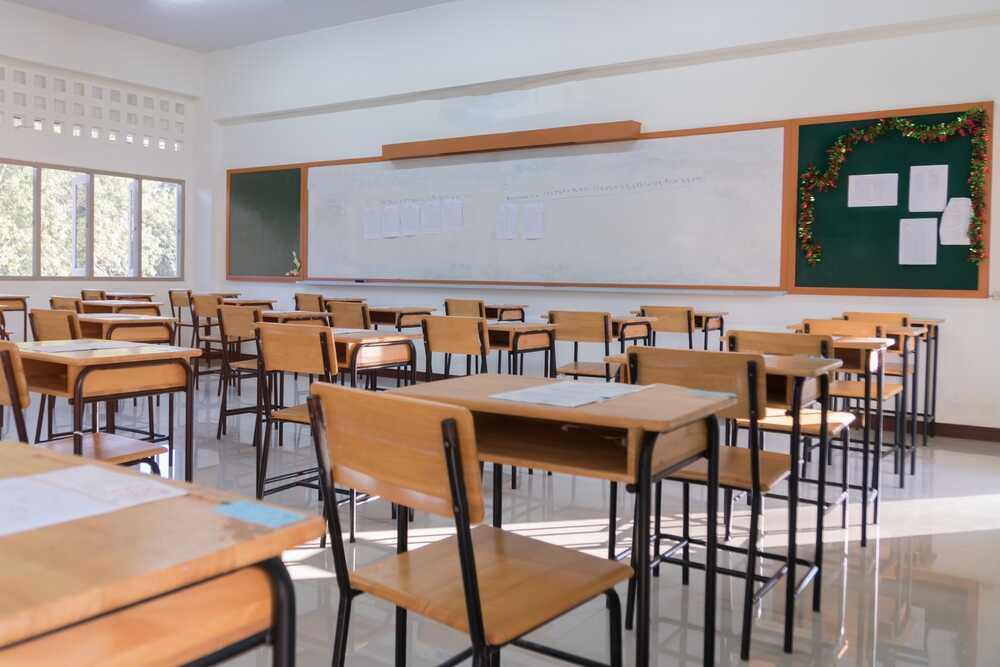
The New York City Council revised its school protest safety bill after a fight over how far it should reach. Speaker Julie Menin said the new version will cover early childhood sites and most K-12 schools. She said colleges and universities will be “explicitly excluded.” The council also says the plan is meant to help police respond when protests create a risk of obstruction, intimidation, or physical injury.
That change matters because the first version was far broader. Mayor Zohran Mamdani vetoed it in April, saying it went too far and raised protest-rights concerns. The revised approach tries to avoid that clash by focusing on younger students and school access, not on higher education campuses. For readers who want less government overreach, the narrower bill is easier to defend on constitutional grounds than a one-size-fits-all buffer zone.
What the City Council Says It Is Protecting
The council’s public release says the Schools and Houses of Worship Access and Safety Act requires the New York Police Department to develop and publicly post response plans for protests outside schools or houses of worship when there is a risk of obstruction, injury, intimidation, or interference. The package says those plans must protect free speech, assembly, and protest rights at the same time. That framing is central to the council’s defense of the law.
At the same time, the law does not treat every education site the same. The council’s own revised language separates K-12 schools from colleges and universities. That distinction weakens claims that the measure is a broad anti-protest crackdown. It also shows the city is trying to tailor the rule to places where children are present and where access problems can hit families and staff most directly.
Protest Rights Still Matter Under New York Law
New York Civil Liberties Union guidance says students have the right to speak out as long as they do not substantially disrupt school operations. The group lists blocking entrances, disrupting class, and similar conduct as examples of material disruption. That is an important limit. It means peaceful speech is protected, but schools can still act when protest activity crosses the line into interference with daily operations or safe access.
The New York City Bar Association also said the city should treat rising antisemitism in K-12 schools as a primary, systemwide priority. That point helps explain why the council is focusing on younger schools instead of campuses. But the research package does not provide hard evidence that universities are the “ground zero” for anti-Israel rallies. Without incident counts or comparative data, that claim remains unproven in the material provided.
The Bigger Political Fight in New York City
This debate fits a larger New York pattern. City leaders are trying to balance protest rights with basic security and access. The fight has been loud because school protests can be emotional, especially when antisemitism is part of the backdrop. The council’s revised bill shows officials know they need a narrower target if they want the measure to survive legal and political scrutiny.
For conservatives, the key issue is simple: government should protect children and school access without turning public space into a speech-free zone. The revised bill appears to move in that direction by excluding colleges and universities, where adult students and campus rules create a different legal picture. Still, the city is betting that K-12 schools deserve the strongest shield, and that choice will keep the fight alive.
Sources:
nypost.com, youtube.com, council.nyc.gov, nyclu.org