
A huge cache of fireworks stored in a neighborhood home turned one Washington street into a war zone and raised hard questions about safety, accountability, and media spin.
Story Snapshot
- About 700 pounds of fireworks stored in a Whidbey Island home exploded, destroying homes and injuring firefighters.[2][5]
- Investigators say a cigarette or smoking ash likely ignited the fireworks, but the official cause is still “undetermined.”[1][2][3]
- Neighbors had complained about crates of fireworks and unsafe burning long before the blast.[2][5]
- Mainstream outlets report the smoking theory as fact even though no arrests or charges have been filed.[2][5]
Fireworks Stockpile Turns Quiet Street Into Blast Zone
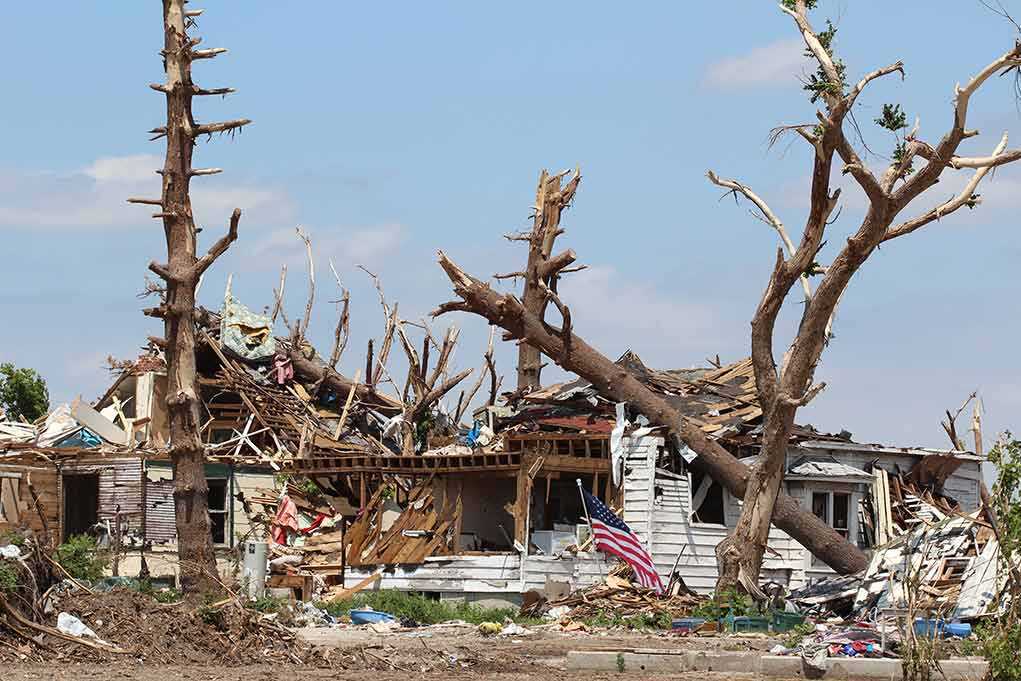
On Smugglers Cove Road on Whidbey Island, a normal afternoon turned into a nightmare when hundreds of pounds of fireworks stored inside a home exploded.[1][2] Fire officials estimate about 700 pounds of pyrotechnics were inside the house, enough to fill a pallet and more.[2][5] The blast destroyed at least one home, badly damaged others, and sent debris flying across the neighborhood.[5] Families were left homeless in seconds as continuing explosions echoed for hours, sounding more like a combat zone than a coastal town.[5]
Three firefighters from Central Whidbey Island Fire and Rescue were hurt as they tried to control the fire and rescue people inside.[1][4] Two were treated and released, while one suffered a serious hand injury that required surgery.[4] Reports indicate the two residents in the home were also injured but were able to drive themselves to the hospital.[4] Officials later said the timing was critical and that a few seconds difference could have turned this into a mass-casualty event, not just a disaster.[4]
Investigators Eye Cigarette, But Official Cause Still “Undetermined”
Fire Chief Jerry Helm and other officials told local media they believe smoking near the fireworks triggered the blast.[1][5] Chief Helm said people were smoking around the fireworks when ash or a similar ember fell into a box and set off the chain reaction.[1] KING 5 reported that a cigarette is believed to have ignited the roughly 700 pounds of fireworks stored in the home.[2][3][5] Social posts from outlets repeat the line that “investigators believe” a cigarette caused the explosion.[3][7]
Yet, on paper, the story is not that simple.[2] As of the latest local reporting, the Island County Sheriff’s Office states the official cause and origin of the fire and explosion remain unknown, and the investigation is still underway.[2][4] Region 3 Arson Task Force and the federal Bureau of Alcohol, Tobacco, Firearms and Explosives are now handling forensic work to pinpoint the true ignition source.[2] No arrests have been made, and authorities have not released detailed lab findings or a final report.[2][5] That gap matters in any serious search for truth and accountability.
Illegal Storage, Neighbor Warnings, and Media Framing
Neighbors say this disaster did not come out of nowhere.[2][5] One neighbor reported seeing pallets of fireworks delivered to the same home around this time last year and again more recently, with four pallets dropped off before the explosion.[2] Another neighbor saw a pallet being delivered on the very day of the blast.[2] Residents also complained about illegal burning and “toxic stuff” being set on fire in the backyard, raising fears long before the fireworks finally went off.[2][5]
Local television coverage now describes the fireworks as “illegally stored” and tied to an event planned on a nearby peninsula.[5] Officials say the fireworks were ordered for that event, but no one has clearly explained why such a large stockpile was kept inside a residence in a family neighborhood rather than a proper storage site.[2][5] This unclear chain of responsibility leaves key questions: who approved the storage, who supplied the fireworks, and who is ultimately liable for the damage done to nearby families and first responders?[2]
Pattern of Risk and the Need for Real Accountability
The Whidbey blast fits a larger pattern seen across the country, where fireworks are stored in homes or unpermitted sites, then triggered by small sparks like cigarettes, static, or other careless behavior.[18][20] Medical research shows firework injuries have been rising since 2012, with half of studied cases involving alcohol, a marker of poor judgment and slack safety.[18] In California, a warehouse explosion near Esparto that killed seven people led the State Fire Marshal to find clear illegal activity and revoke the company’s licenses after a long investigation.[15][16]
🚨💥 BREAKING: A massive fireworks explosion destroyed multiple homes and injured five people, including three firefighters, on Washington's Whidbey Island.
🏠 Authorities say hundreds of pounds of fireworks stored at a home exploded after a fire, leveling two houses, damaging… pic.twitter.com/0phj0xBr0z
— DNA GLOBAL News (@DNA_NEWS_24) June 27, 2026
Those past cases show how easy it is for local officials or media to latch onto a simple story—like “a cigarette did it”—before deeper facts are known.[2][15] On Whidbey Island, large outlets repeat the smoking narrative while official documents still list the cause as undetermined and no charges have been filed.[2][3][5] For families who lost homes and firefighters who risked their lives, real accountability means more than a sound bite. It requires full transparency on permits, storage rules, and whether anyone broke the law by turning a neighborhood home into a fireworks warehouse.[2][5]
Sources:
[1] Web – Hundreds of pounds of fireworks explode, destroying homes and injuring …
[2] Web – Whidbey Island, WA fireworks blast destroys homes, injures 5
[3] Web – ATF report IDs ‘blast seats’ in fatal explosion – Whidbey News-Times
[4] YouTube – 700lbs of fireworks destroys 2 Whidbey homes
[5] YouTube – 3 firefighters injured after fireworks spark massive house explosion …
[7] Web – A massive explosion triggered by hundreds of pounds of stored …
[15] YouTube – Esparto explosion investigation ends with evidence of illegal activity
[16] Web – 7 unaccounted for after explosion at California fireworks warehouse
[18] Web – Patterns of Firework-blast Injuries: A Descriptive Case Series – PMC
[20] Web – ATF controls burn of illegal fireworks manufacturing home – Facebook