

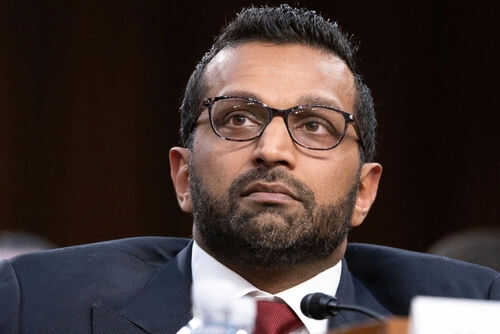
The FBI director’s threat to sue a major magazine over explosive personal-misconduct claims is turning into a high-stakes test of whether America’s watchdogs can be held accountable—or whether institutions will keep protecting themselves.
Quick Take
- FBI Director Kash Patel says he will sue after a report alleged repeated public intoxication, frequent absences, and anxiety about being fired.
- Patel’s public response points to the “actual malice” defamation standard, a tough hurdle for public officials to clear in court.
- The Atlantic’s reporter says the outlet stands by its reporting; the White House and Justice Department reportedly did not dispute the allegations when contacted.
- The threatened lawsuit lands amid separate controversy over FBI staffing moves and a lawsuit by fired agents alleging politically motivated retaliation.
What Patel Is Threatening—and Why It Matters
FBI Director Kash Patel says he will file a lawsuit over a report that claimed he has repeatedly been intoxicated in public while serving as director, has been absent from work, and has expressed paranoia about being dismissed by President Donald Trump. Patel’s media representative, Erica Knight, described the story as fabricated and said a lawsuit is being filed. As of the latest reporting, the suit had been announced but not yet formally filed.
The dispute matters beyond personalities because the FBI sits at the intersection of public safety and politics. Americans who already doubt elite institutions—whether they lean right or left—tend to see high-profile leadership controversies as proof that power protects itself. Conservatives, in particular, have spent years arguing that unaccountable bureaucracies can undermine elected leadership. At the same time, civil-liberties advocates worry that politicized battles can erode professional standards at agencies that wield immense coercive power.
The Magazine’s Allegations vs. What’s Verified So Far
The report at issue alleges three broad themes: substance-related misconduct, lack of consistent presence at work, and personal fear of being fired by Trump. The Atlantic’s journalist, Sarah Fitzpatrick, publicly said she stands by the reporting and emphasized the publication’s legal readiness. The research also indicates that neither the White House nor the Justice Department disputed the allegations when asked for comment. Still, the central claims remain allegations, not findings of a court or inspector general.
That gap—between headline-grabbing accusations and hard verification—is where distrust thrives. If Patel’s side is right and the report is false, the public is watching a major media outlet shape perceptions of a top law-enforcement job with claims that could be difficult for ordinary citizens to evaluate. If the publication is right, the public is watching Washington’s leadership class treat serious fitness concerns as just another partisan food fight, with no immediate, transparent fact-finding presented in public.
The Legal Reality: “Actual Malice” Is a Steep Climb
Patel’s response invoked the “actual malice” standard, signaling he expects to argue that the reporting was knowingly false or published with reckless disregard for the truth. For conservatives who believe legacy media often operates with ideological impunity, the mere decision to put a defamation claim on the table can feel like overdue pushback. But in practical terms, the standard for public officials is intentionally demanding, and litigation can drag on while the underlying governance issues remain unresolved.
From a limited-government perspective, one uncomfortable truth is that lawsuits do not substitute for institutional oversight. A court can decide whether a statement was defamatory, but it cannot run the FBI day to day or restore confidence by itself. If Patel files, the discovery process could clarify sourcing and internal deliberations. If he does not, critics will likely treat the threat as political theater. The research notes commentary suggesting some similar threats never mature into surviving cases.
Why This Lands Harder in 2026’s Broader FBI Fight
The threatened defamation case arrives amid broader controversy surrounding personnel changes within the bureau under Patel’s tenure. It notes that multiple FBI agents were terminated in 2025, reportedly tied to their involvement in investigations related to Trump’s efforts to overturn the 2020 election. Separately, three fired agents filed a lawsuit naming Patel and Attorney General Pam Bondi, alleging an unlawful “retribution campaign.” Those claims are also contested and belong to an ongoing legal process.
Taken together, these overlapping disputes create a familiar Washington pattern: every side claims institutional abuse, and the public is left sorting competing narratives with limited verified facts. The conservative takeaway is not that any single allegation is automatically true, but that the system rewards ambiguity—slow investigations, slow courts, and strategic silence. Whether Patel sues or not, it underscores a core frustration shared across the spectrum: accountability feels optional for powerful actors, while everyday Americans get the consequences.
Sources:
Fired FBI agents lawsuit Patel Bondi