

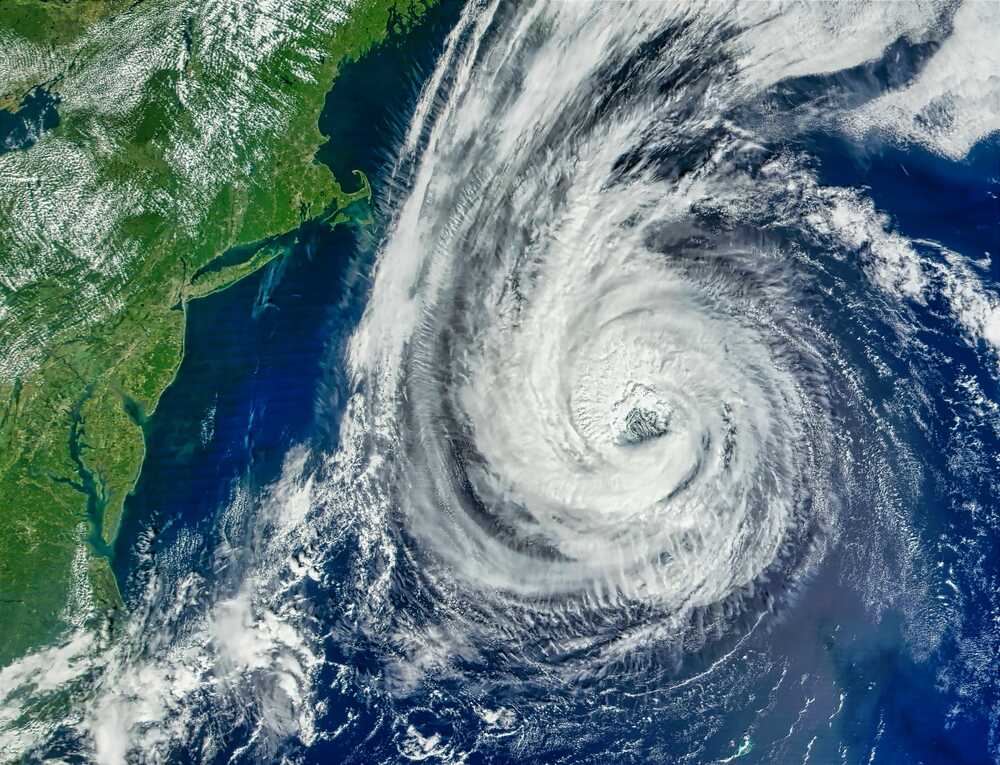
Hurricane Erin is churning up the U.S. East Coast as a Category 2 storm, driving dangerous waves, flooding, and forcing evacuations in North Carolina’s Outer Banks.
At a Glance
- Hurricane Erin is a Category 2 storm with winds of 100–105 mph
- Storm surge warnings cover large portions of North Carolina’s coast
- Evacuations are underway in Hatteras and Ocracoke Islands
- Dozens have been rescued from rip currents along the coast
- The storm is expected to veer eastward toward Bermuda and Atlantic Canada
Outer Banks Under Siege
The Outer Banks of North Carolina are facing some of the harshest impacts from Hurricane Erin. Waves exceeding 25 feet have breached sections of NC Highway 12, leaving parts of Hatteras and Ocracoke Islands cut off. Officials declared a state of emergency and issued mandatory evacuation orders for vulnerable zones.
Watch now: Hurricane Erin stirs up nearly 30-foot waves on East Coast · YouTube
Several beachfront homes in Rodanthe are teetering on collapse as relentless surf erodes dunes and foundations. Emergency crews remain on high alert, with rescue operations continuing through treacherous surf conditions.
Coastal Threats Multiply
Dangerous rip currents and widespread beach closures stretch from Florida to New York, with swimming bans enforced in major coastal cities. Nearly 60 rescues have been carried out in Wrightsville Beach, North Carolina, while incidents have also been reported in South Carolina and Virginia.
Farther north, New Jersey and New York beaches are under red-flag warnings, with lifeguards enforcing strict no-swimming policies. Transportation disruptions have rippled outward as well, with the U.S. Open in New York suspending play due to flooding on outer courts at Flushing Meadows.
Looking Ahead
Erin is forecast to track northeast, skirting Bermuda before accelerating toward Atlantic Canada. Meteorologists expect the storm to weaken as it moves into cooler waters, eventually transitioning into a post-tropical cyclone near Ireland and the United Kingdom.
The storm reached Category 5 strength earlier this week while passing over exceptionally warm Atlantic waters. Scientists note that such rapid intensification is becoming more common as climate change drives higher sea-surface temperatures, fueling stronger and more unpredictable storms.
Sources
Reuters
Associated Press
The Washington Post
ABC News
CNN