

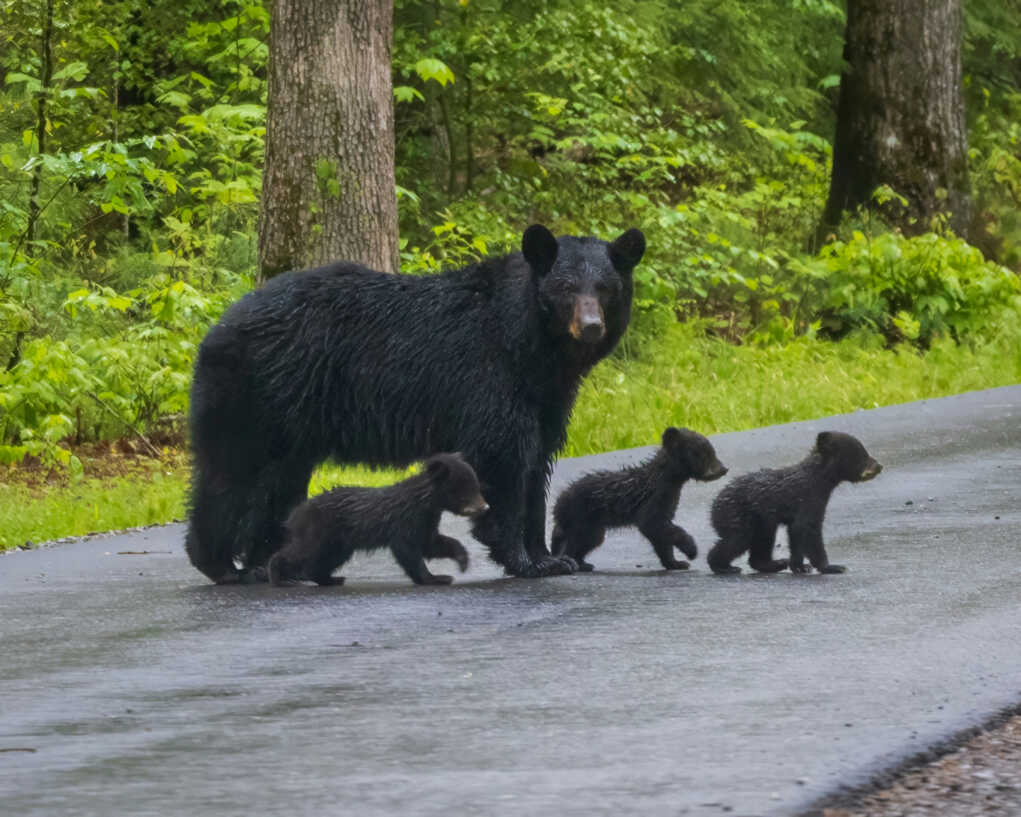
Japan is turning its mountains into high-tech surveillance zones as deadly bear attacks hit record highs, raising hard questions about safety, science, and government power.
Story Snapshot
- Record 13 deaths and over 200 injuries from bear attacks push Japan to deploy cameras, drones, and troops in rural mountains.
- Officials roll out AI cameras, drone alerts, and early-warning systems, but there is still little proof these tools really cut attacks.
- Experts say food failures, aging rural towns, and more bears are key drivers, while media keeps blaming climate change alone.
- Japan expands police gun use and military support for wildlife control, sparking debate over government reach and lethal force.
Record Bear Attacks Push Japan Into Tech-Heavy Emergency Mode
Japan’s Environment Ministry reports that bear encounters have exploded in recent years, with attacks now at record levels and deaths the highest since modern tracking began. Since April 2025, bears have killed around 13 people and injured more than 200, mostly in the sparsely populated northern Tohoku region. Many attacks are not on remote hikers but inside homes, near schools, and even in supermarkets, showing how deeply the animals now push into daily life. For a country long proud of “coexistence” with nature, this surge has become a national crisis.
Officials now say cameras and sensors are as important as fences and patrols. In Akita and other hot spots, local governments are installing surveillance cameras with artificial intelligence that can spot bears and trigger alerts. Drones fly over parks and mountain edges, some blasting barking dog sounds or fireworks noises to scare animals back into the forest. Cities like Fukushima fire noise-making rockets several times a day to keep bears nervous and away from homes. Japan has mapped sightings and attack locations nationwide, turning bear movement into a real-time data problem instead of just a hunting issue.
Food Failures, Shrinking Villages, and Media Climate Narratives
Wildlife biologists point first to simple facts: more bears, less natural food, and fewer people left in the countryside. In 2025 there was a mass failure in acorn and beechnut production, the key food that keeps Asiatic black bears in the mountains. Hungry bears, including mothers with cubs, followed food smells downhill into farms, suburbs, and small towns. At the same time, decades of rural depopulation and abandoned farmland have created overgrown “edge zones” where wildlife and people now overlap much more often, a pattern already seen with deer, boar, and monkeys.
Yet major outlets like CNN and others push a cleaner story that centers almost only on climate change, claiming warmer winters and shifting seasons are the main cause of bears entering human areas. That narrative lands neatly with global talking points but clashes with some field experts in Japan. Masahiro Ohnishi, a principal research scientist at Japan’s Wildlife Management Office, says the current surge mainly reflects natural low years in mast production, not climate change. When media erase that view, the public gets a one-sided explanation and less trust in science.
Guns, Troops, and Cameras: How Far Should Government Go?
Japan’s response mixes high tech with tougher rules on lethal force. The government has dispatched the Japan Self-Defense Forces to badly hit northern areas, officially for “logistical support” like moving traps and helping transport carcasses from bears killed by licensed hunters. Law still bars the military from shooting wildlife directly, but riot police have now been granted authority to use rifles on bears in residential zones when hunters cannot respond in time. Cabinet budgets set aside billions of yen for “bear countermeasures,” including drones, traps, and even hiring retired police and military as armed hunters.
Conservation policy has also shifted. After years focused on protecting bear populations, the Environment Ministry moved toward population control and damage management in 2024. Licensed hunters are being enlisted to cull bears in the worst-affected regions, including Tohoku. Some conservation groups argue for more non-lethal tools and better trash management, fences, and buffer zones instead of killing animals. But with ordinary citizens now dying in their kitchens and fields, public patience for “kind” approaches is fading fast, and support for stronger control is growing. The deeper question, familiar to American readers, is how to balance local safety with careful limits on state power and firearms use.
Do Cameras and AI Really Make People Safer?
Japan’s new bear cameras and AI systems sound impressive, but hard proof of their success is thin so far. Reports describe camera traps, AI surveillance, drones, and mobile alert systems as core tools for early detection of bears near towns and farms. Experts and local leaders say these tools can buy time for hunters and police to respond and help families avoid dangerous areas. However, there are no published studies yet that show these systems have clearly reduced attack numbers or shifted bears back to wild zones in a lasting way.
Retired Japanese bear researcher @higumano_mano highlights an interview in The Wildlife Society article where Masahiro Ohnishi of Japan's Wildlife Management Office explains the 2025 surge in Asiatic black bear attacks that caused 13 deaths and over 100 injuries.
Ohnishi…
— Asit Sahu (@rainwatersystem) July 2, 2026
Experienced researchers warn that tools alone are not enough. They push for better trash control, removal of unattended fruit trees, and firm management zones around cities where bears are aggressively discouraged from crossing. Japan’s wider work on human–wildlife conflict, from macaques to boar, shows that long-term success comes from changing land use and habits, not just reacting to each crisis with more patrols and gadgets. As Japan turns its mountains into a mesh of cameras and drones, its choices offer a strong lesson for Americans: technology can help defend communities, but solid data, honest debate about causes, and clear limits on government power matter just as much.
Sources:
insiderpaper.com, straitstimes.com, wildlife.org, aljazeera.com, facebook.com, bbc.com, gltjp.com, instagram.com, reuters.com, pmc.ncbi.nlm.nih.gov, bioone.org