
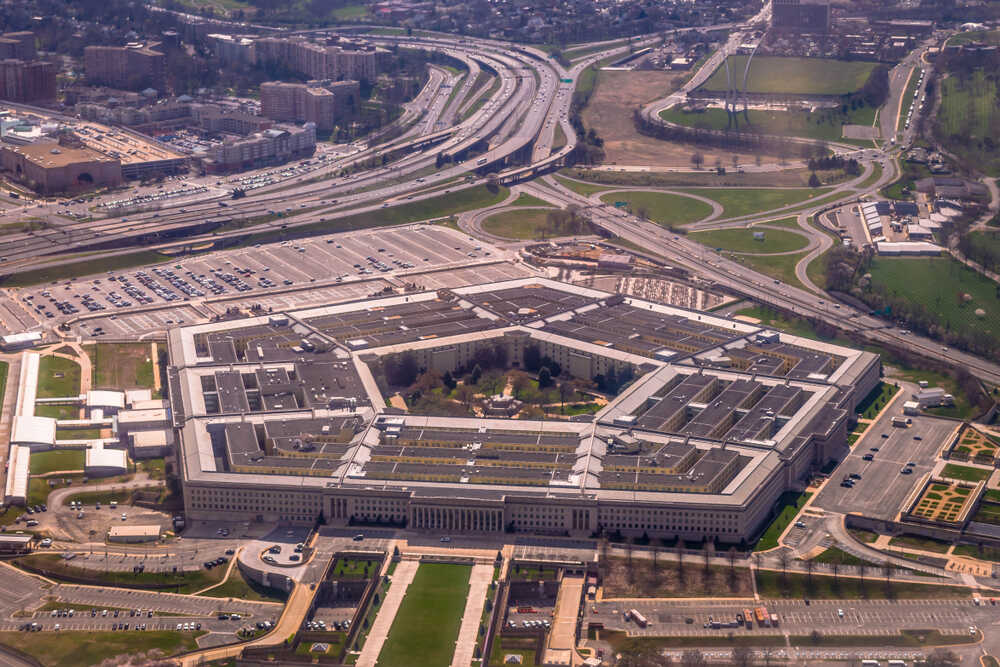
Defense Secretary Pete Hegseth’s Pentagon is developing a sweeping, Cold War-era military reorganization plan that would drastically reduce the number of four-star generals and downgrade major combatant commands. This dramatic shift proposes merging Central, European, and African commands into a new “U.S. International Command,” while consolidating Northern and Southern Commands into a single “U.S. Americas Command.” Aimed at streamlining decision-making and reflecting a new national security strategy that signals the end of America “propping up the entire world order,” the plan faces immediate opposition from Congress, which has frozen funding pending a detailed analysis of its costs and strategic risks.
Story Highlights
- Pentagon proposes merging CENTCOM, EUCOM, and AFRICOM under a new “International Command.”
- The plan would consolidate NORTHCOM and SOUTHCOM into a single “Americas Command.”
- Reorganization aims to reduce four-star positions and streamline decision-making
- Congress freezes funding pending a detailed cost and risk analysis from the Pentagon
Massive Command Structure Overhaul Proposed
The Joint Staff, led by Gen. Dan Caine, is finalizing a comprehensive reorganization that would fundamentally reshape America’s military command structure. The plan calls for placing U.S. Central Command, European Command, and Africa Command under a new umbrella entity tentatively named “U.S. International Command.” Additionally, Northern Command and Southern Command would merge into a single “U.S. Americas Command.” This restructuring would reduce the total number of geographic combatant commands from eleven to eight.
The reorganization reflects Trump administration priorities outlined in the national security strategy, which signals that “the days of the United States propping up the entire world order like Atlas are over.” Defense officials argue the current command structure has “decayed” into a bureaucratic system that delays critical decision-making at the presidential and secretary levels. The proposal aims to eliminate redundant authorities while accelerating response times during crisis situations.
Exclusive: Senior Pentagon officials are preparing a plan to downgrade several of the U.S. military’s major headquarters and shift the balance of power among its top generals, people familiar with the matter said. https://t.co/DPObJ0WkYc
— The Washington Post (@washingtonpost) December 16, 2025
Congressional Pushback Halts Implementation
Republican-led House and Senate Armed Services Committees have expressed serious concerns about the lack of transparency surrounding the reorganization plans. Frustrated by Pentagon secrecy, congressional leaders inserted provisions in pending defense legislation to freeze all funding for the restructuring until comprehensive reporting requirements are met. The legislation mandates detailed analysis of costs, strategic risks, and potential impacts on alliance relationships before any changes can proceed.
The congressional action requires a sixty-day review period after receiving the Pentagon’s blueprint, effectively putting the reorganization on hold. Armed Services Committee members have voiced frustration with the administration’s failure to consult Congress on such sweeping structural changes. This tension highlights the constitutional balance between executive authority over military command structures and congressional appropriations power.
Strategic Implications and Expert Warnings
Former Defense Secretary Chuck Hagel has publicly warned against over-consolidation, arguing that “the world isn’t getting any less complicated.” Retired Vice Admiral Robert Murrett expresses concern that the proposed changes could create “reverberations for years to come” and near-term security challenges. Military experts worry about potential loss of regional expertise and command clarity, particularly given that alternative concepts tested during planning phases were deemed “very confusing.”
The reorganization would symbolically and structurally de-emphasize U.S. commitments in Europe, the Middle East, and Africa while elevating focus on China and Western Hemisphere security. NATO allies may interpret a downgraded European Command as reduced American commitment to collective defense, while Middle Eastern and African partners could question continued U.S. engagement in their regions. These concerns underscore the delicate balance between domestic political priorities and international alliance obligations that define American global leadership.
Watch the report: Pentagon Plans Major Military Reshuffle, Fewer Generals To Report To Hegseth? Watch
Sources:
Pentagon considers major overhaul to merge military commands, cut generals: report
Pentagon prepares major military reorganization plan: report
Pentagon considers major overhaul to merge military commands, cut generals: Report