
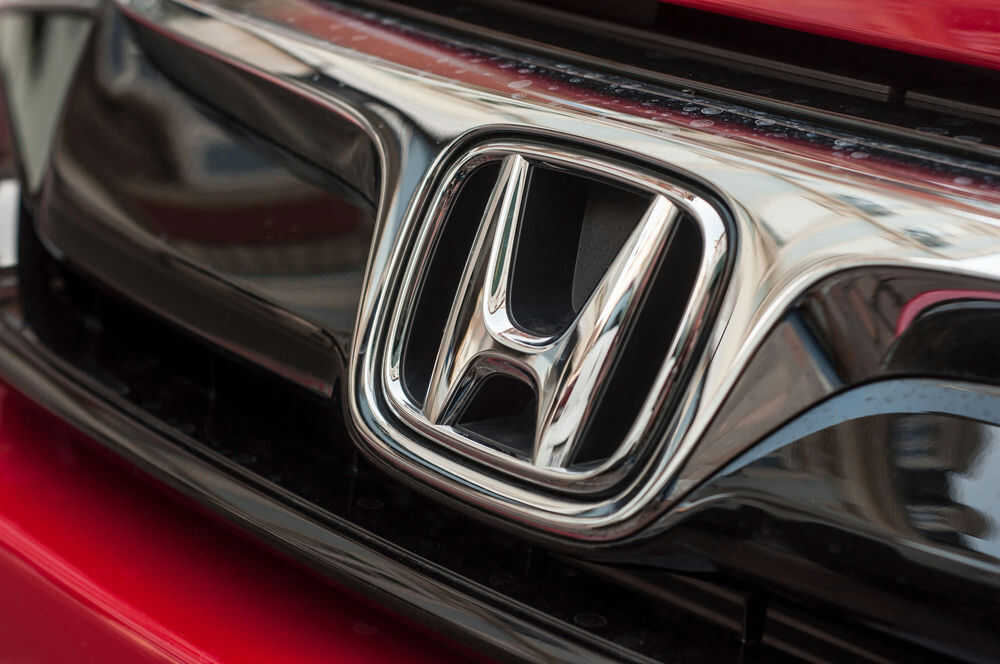
Honda just torched up to $15 billion on electric vehicles that will never see a showroom floor, proving once again that government-mandated green fantasies crash hard against market reality.
Story Snapshot
- Honda canceled three U.S.-built EVs before launch, absorbing losses up to $15 billion from wasted development costs
- Trump Administration’s February 2026 rollback of Obama-era emissions mandates triggered Honda’s strategic pivot away from forced electrification
- The automaker is doubling down on hybrids, targeting 2.2 million units by 2030 after EV demand collapsed below projections
- Honda joins Ford, GM, and Stellantis in abandoning aggressive EV timelines that ignored consumer preferences and market conditions
Biden-Era Mandates Drive Honda Into Ditch
Honda announced March 12, 2026, the cancellation of three planned electric vehicles—the 0 Series SUV, 0 Series Saloon, and Acura RSX EV—all slated for Ohio production starting in 2026. CEO Toshihiro Mibe confirmed these models in November 2025, but the Trump Administration’s elimination of stringent auto emissions regulations in February 2026 fundamentally altered the calculus. The automaker is projecting fiscal year 2025/26 losses reaching $4.3 billion, with multi-year costs from EV cancellations totaling 2.5 trillion yen, approximately $15 billion. This represents a stunning reversal from Honda’s prior forecast of 300 billion yen profit.
Market Reality Crushes Electrification Dreams
North American EV adoption slowed dramatically below manufacturer projections, exposing the folly of abandoning profitable gas and hybrid vehicles for government-preferred technology. Honda already recorded $1.7 billion in operating losses between April and December 2025, including EV impairment charges. The company previously slashed $21 billion from EV spending, yet continued pouring resources into vehicles consumers demonstrably don’t want at projected volumes. Meanwhile, Honda’s core hybrid business suffered as resources diverted to electrification weakened competitiveness in Asia and eroded profitability on traditional models. This self-inflicted wound mirrors the broader industry’s obsession with climate virtue-signaling over sound business judgment.
Strategic Pivot Embraces Common Sense
Honda is restructuring around hybrids and market-driven timelines rather than regulatory fantasy. The automaker announced new V6 hybrid powertrains for popular models like the Pilot and Odyssey, doubling its hybrid sales target while cutting production costs 50 percent. Executive VP Noriya Kaihara described the shift as a “recalibration phase” for carbon neutrality goals, prioritizing regional market realities over arbitrary 2050 deadlines imposed by climate activists. Honda is considering more affordable EVs under $30,000 if genuine consumer demand materializes, but the company is no longer betting the farm on vehicles designed primarily to satisfy Washington bureaucrats. This approach acknowledges what conservatives have argued for years: markets allocate resources better than mandates.
Industry-Wide Retreat From Forced Electrification
Honda’s $15 billion lesson joins a growing list of legacy automakers walking back EV commitments made under political pressure. Ford, General Motors, and Stellantis all scaled back electric vehicle production amid similar demand weakness and policy volatility. Unlike those competitors who halted production or wrote down inventory, Honda uniquely canceled models before launch, wasting billions on futuristic designs like the Star Wars-inspired Saloon and a controversial Acura RSX revival that outraged enthusiasts. The broader pattern reveals how Obama-Biden emissions regulations distorted entire industries, forcing manufacturers to develop products consumers didn’t want while neglecting vehicles they actually purchase. Ohio plant workers and suppliers now face uncertainty from canceled production, demonstrating how green agenda economics destroys real jobs chasing imaginary markets.
Analysts now view Honda’s retreat as a necessary “reality check” on electrification timelines, acknowledging that legacy automakers cannot compete with Tesla or Chinese subsidized manufacturers in a segment with anemic organic demand. The Trump Administration’s regulatory rollback freed Honda to make business decisions based on profitability rather than compliance, exposing the true cost of the previous administration’s climate obsessions. Honda’s hybrid focus through 2030 represents a bridge strategy grounded in consumer preference and technological maturity, not political fashion. American workers and shareholders will benefit from this return to market-driven strategy, while climate activists will howl that reality once again refuses to conform to their central planning.
Sources:
Honda Kills Three US-Built EVs Before They Ever Launch, Taking up to $15 Billion Loss – The Drive
Honda Takes $1.7B Write-Off on EVs, Now Restructuring – WardsAuto
Honda Warns of Up to $15.7B in Losses – CBT News
Honda Cuts EV Plans, Warns of Losses Up to $8.6 Billion – Investing.com
Honda Electric Losses Business Restructuring – CarBuzz