

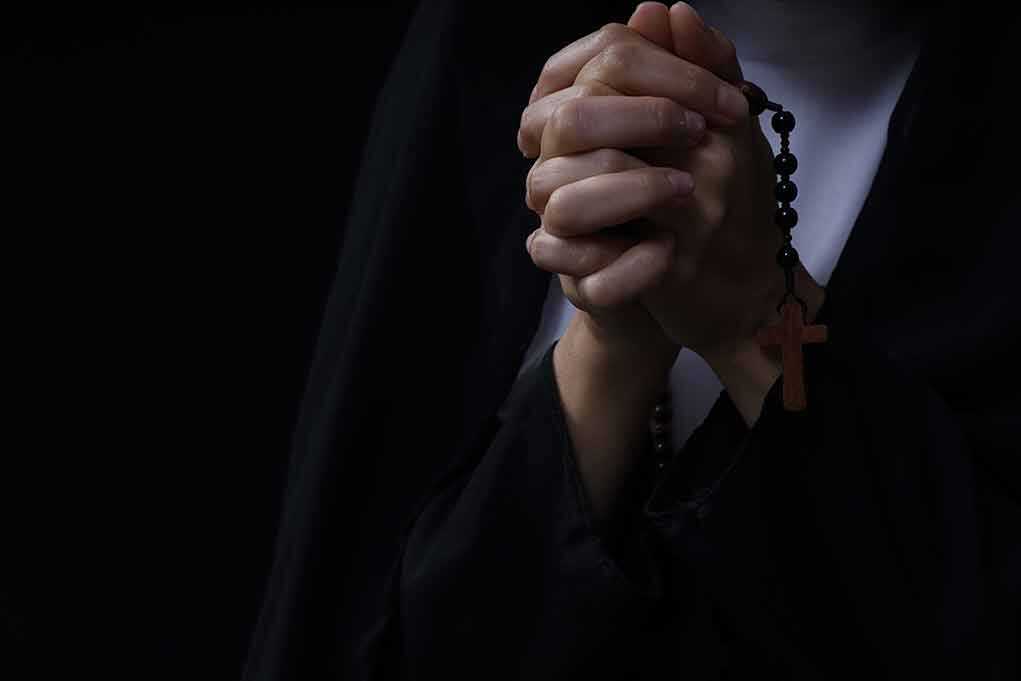
A New York judge has given Catholic nuns a crucial shield from the state’s new assisted suicide law, at least for now.
Story Snapshot
- Federal court order temporarily blocks New York from enforcing its assisted suicide law against several Catholic ministries.
- Four orders of nuns and Catholic healthcare providers say the law forces them to counsel, refer, and help patients qualify for lethal drugs.
- The order protects these caregivers from fines, jail time, and policy changes while their First Amendment lawsuit moves forward.
- The case highlights a growing clash between “medical aid in dying” and religious freedom in end-of-life care.
Judge Blocks Enforcement for Catholic Caregivers
U.S. District Judge Anne Nardacci approved a consent temporary restraining order on July 30 that bars New York from enforcing its new assisted suicide law against the Catholic plaintiffs while their lawsuit proceeds. The Medical Aid in Dying Act, signed earlier this year, is set to take effect August 5 and would allow doctors to help terminally ill adults end their lives with prescription drugs. The judge’s order, entered with the state’s agreement, keeps these ministries under their current, pro-life policies while the court weighs their request for a longer injunction.
The consent order’s language is unusually clear about what the state may not force these providers to do. It says the government is barred from requiring the nuns, their staff, doctors, and contractors to create or enforce policies that give information or counseling about medical aid in dying, refer patients to other providers for assisted suicide, or help patients complete steps to qualify under the law. It also protects them from having to allow lethal prescriptions or self-administered death in their facilities, falsify cause-of-death records, or punish employees who follow the ministries’ conscience-based rules instead of the state mandate.
Who These Nuns Are and What They Do
The main plaintiffs include the Carmelite Sisters for the Aged and Infirm, the Dominican Sisters of Hawthorne, the Missionary Sisters of St. Benedict, the Little Sisters of the Poor, and Catholic Health linked to the Diocese of Rockville Centre. These communities have cared for the elderly, the poor, and the dying in New York for generations, offering medical care, prayer, and constant presence at the bedside. Their lawsuit says their mission is to treat every person as a gift from God until natural death, and that helping to end a life by suicide would betray their faith and their patients.
Leaders from these communities have spoken bluntly about what is at stake. One sister described their work with those dying of cancer, saying their calling is to offer comfort, prayer, and loving care, “not death.” Another vowed that they “will never submit to New York’s culture of death,” arguing that the law tries to turn healers into participants in suicide rather than protectors of life. For many readers, these voices show that the case is not about politics first; it is about whether people who have devoted their lives to caring for the vulnerable can be forced to help end those lives.
The Law, the Lawsuit, and the First Amendment Fight
New York’s Medical Aid in Dying Act is framed by state leaders and activists as a way to give dying adults more control and choice at the end of life. But the nuns and allied Catholic healthcare providers say the law’s “opt-out” language does not really protect conscience. Their complaint argues the state would still force them to counsel patients on assisted suicide, share information about it, refer patients to willing prescribers, and help patients qualify for lethal drugs, even if the ministries personally refuse to prescribe. They say this is not neutral medical information; it is compelled speech and participation in an act their faith calls morally wrong.
The lawsuit, Carmelite Sisters for the Aged and Infirm v. James, was filed July 17, just weeks before the law’s effective date. It claims the assisted suicide regime violates their First Amendment right to the free exercise of religion and their freedom of speech by forcing them to speak and act against Catholic teaching. Advocacy group Becket, which represents the nuns, warns that the law threatens fines and even jail time for healthcare providers who refuse to help patients kill themselves. This emergency timing and the risk of punishment pushed the sisters to seek a restraining order before any enforcement, a common pattern in conscience-rights cases.
What the Temporary Win Means Going Forward
This court order is a real, but narrow, victory. It only protects the named plaintiffs and their ministries; the rest of New York’s health system must still prepare for the August 5 rollout of the assisted suicide law. The judge has set deadlines for the state attorney general to respond and will later decide whether to grant a broader preliminary injunction. For now, the sisters can keep serving the sick and dying without changing their policies, and without the fear of fines or jail for refusing to promote medical aid in dying.
A federal judge has barred New York from enforcing its assisted suicide law against Catholic nuns for refusing to support or participate in assisted suicide
Info: Becket pic.twitter.com/yC2YCgXg1Y
— Sachin Jose (@Sachinettiyil) August 2, 2026
For conservative readers, this case highlights a deeper concern that reaches far beyond one state. Across the country, assisted suicide laws are spreading, and religious hospitals and ministries increasingly face pressure to choose between their beliefs and government mandates. The New York order shows that courts can still push back and defend the First Amendment when states go too far. It also reminds us that liberty is often defended by quiet, faithful people at the bedside of the elderly and the dying, not just by politicians in Washington or Albany.
Sources:
townhall.com, osvnews.com, becketfund.org, newdailycompass.com, foxnews.com, youtube.com, ewtnnews.com, cbn.com, wxxinews.org