
President Trump took a lap in “The Beast” and waved the green flag to launch Washington’s first-ever IndyCar street race on the National Mall, tying speed and patriotism to America’s 250th birthday celebration.
Story Highlights
- Freedom 250 marked the first NTT IndyCar Series race on the National Mall, billed for the 250th anniversary of America.
- Schedules placed the Sunday main event near 1 p.m. Eastern Time with pre-race ceremonies leading into the start.
- President Trump took a lap in the presidential limousine and started the race by waving the green flag.
- Security planning spanned federal and local agencies with strict entry rules and large perimeters.
Freedom 250 Brings Top-Tier Racing to the National Mall
Event organizers set the Freedom 250 Grand Prix as the first National Mall street race for the NTT IndyCar Series, linking the spectacle to America’s 250th anniversary. Official materials described a two-day program downtown with practice, qualifying, and Sunday racing. The District of Columbia’s semiquincentennial pages framed the event as part of a larger celebration across the capital. The layout turned iconic civic space into a race course for the weekend, drawing national coverage and strong fan interest.
Series materials and schedules placed Sunday’s main race near 1 p.m. Eastern Time after a warmup and pre-race program. Listings showed green flag timing around 1:00 to 1:10 p.m., with broadcast build-up leading in. While exact minute-by-minute clocks varied across pages, the Sunday focus remained clear, with the race serving as the weekend’s capstone. Fans planned arrivals around these windows, as transit and entry checks added time to reach the grandstands and viewing zones.
President Trump’s Lap in “The Beast” and Ceremonial Start
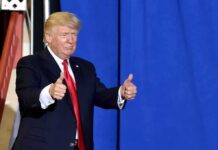
News reports on race day stated that President Trump circled the course in the presidential limousine, known as “The Beast,” before starting the Freedom 250 with the green flag just after 1 p.m. Eastern Time. Coverage also noted First Lady Melania Trump’s presence on the platform during the start. The moment blended American pageantry with motorsport tradition, linking the nation’s semiquincentennial to a major racing debut in the capital’s civic heart.
Pre-event reporting earlier in the week previewed the ceremonial role, including the plan for a lap of honor and the flag wave to start the race. Outlets also described expected family attendance. Those details matched the day-of sequence, which placed the presidential lap before the command to start and the formation of the starting grid at the line. The appearance amplified national attention on a race already positioned as a patriotic showcase for the summer.
Security Footprint and Crowd Management Across Downtown
Local outlets described enhanced security that combined the United States Secret Service, District police, National Guard support, and airport-style bag screening. Perimeters, magnetometers, and clear-bag rules shaped how fans entered viewing areas. Road closures and transit guidance helped steer the large crowds expected for a first-time urban street course in a sensitive federal zone. The approach tracked best practices for major sporting events in dense cities, where safety planning begins well before race week.
The high-profile ceremony and federal setting demanded careful timing between the program and security flows. Agencies coordinated motorcade movements, staging points, and public entry gates to keep the pre-race schedule intact. This ensured the presidential lap, green-flag moment, and race start proceeded in order while maintaining clear sightlines and safe corridors. The balance between fan access and protective needs showed a familiar model used for civic events that feature national leaders alongside large crowds.
What This Moment Says About Patriotism and Public Life
The Freedom 250 linked a classic American sport with a milestone birthday in the nation’s capital. Presidents have long visited major games and ceremonies to honor tradition and unity. This event continued that pattern in a fresh way, using an inaugural urban race to put national symbols on center stage. For many fans, seeing the flag wave from the Mall was a reminder that civic pride and competitive spirit can share the same platform when done with care and respect.
Conservatives saw a clear message: celebrate American achievement, protect public order, and keep politics from smothering culture. The race delivered on that balance. Organizers staged a world-class contest. Security teams kept the event safe. President Trump’s role highlighted national pride without overshadowing the drivers who earned the spotlight. The start on Sunday afternoon showed how tradition, ceremony, and competition can align when leaders focus on country over division.
Key Timing, Framing, and Limits
Schedules placed the Sunday race near 1 p.m. Eastern Time, and news coverage timed the green flag to just after the hour. Some listings showed slight timing differences across pages, a common drift seen in live event materials. Those small deltas did not change the core sequence: warmup, ceremonies, presidential lap, green flag, and racing through the Mall. For viewers and attendees, the visual start spoke louder than the minute mark on a web schedule.
The event pages and district materials framed the Freedom 250 as a semiquincentennial celebration that brought top-tier racing to a historic setting. That framing matched what unfolded on race day. The ceremony, the lap in “The Beast,” and the start aligned with how organizers and broadcasters positioned the weekend. The capital saw speed meet symbolism, and the nation’s colors flew over a new chapter for American motorsport on the streets of Washington, D.C..
Sources:
facebook.com, 250.dc.gov, freedom250gp.com, wjla.com