
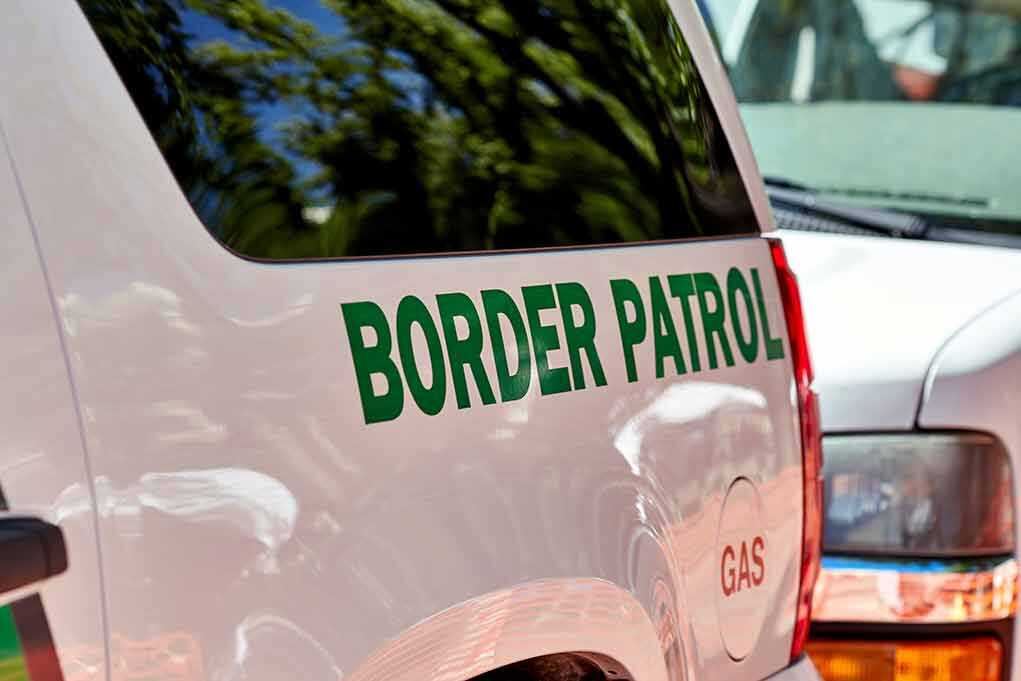
A federal judge froze President Trump’s border wall project in the Big Bend region of Texas, even as his administration warns that leaving the area unprotected hands cartels a 300-mile gap to exploit.
Story Snapshot
- A federal judge blocked border wall construction in Big Bend, Texas, in October 2026.
- Landowners say a planned 30-foot steel wall would cut them off from the Rio Grande.
- The Trump administration asked the Supreme Court to lift the block, warning cartels could flood through the gap.
- Customs and Border Protection says the sector saw just over 3,000 apprehensions last year, a small slice of total Southwest crossings.
Judge Blocks Wall Construction Across Private Land
U.S. District Judge Kathleen Cardone issued a preliminary injunction on October 2, 2026, in Friends of Ruidosa Church v. Mullin. The order stopped the federal government from building border barriers or doing ground work in the Big Bend Sector until it followed existing law. Cardone ruled the plaintiffs were likely to win at least one claim and faced serious, permanent harm if work continued.
The lawsuit named river guide and landowner Danny William Miller, along with Friends of the Ruidosa Church and the Center for Biological Diversity, as plaintiffs. They argued the Department of Homeland Security used legal waivers to skip environmental reviews. Cardone later found those waivers went beyond what the officials who signed them were allowed to do.
Landowners Say the Wall Would Cut Them Off From the River
Much of the planned construction runs through privately owned ranchland upriver and downriver from Big Bend National Park. Landowners testified in court that a 30-foot steel bollard wall would block their own access to the Rio Grande, a lifeline for ranching families and river guides who have worked the land for generations.
The opposition stretches beyond one ranch. A separate case brought by Conserve Big Bend represents six named landowners plus roughly 230 more. Critics also point to Customs and Border Protection’s own numbers, which show the sector logged about 3,096 apprehensions last year, roughly 1.3 percent of all Southwest border arrests.
Administration Warns the Gap Is a Magnet for Cartels
The Trump administration asked the Supreme Court to lift the injunction, arguing the judge went too far and that the ruling hurts the government’s ability to stop drugs and illegal crossings along the entire southern border. Justice Department lawyers said leaving a gap of more than 300 miles would turn Big Bend into a magnet for cartels looking for new routes as other crossings close off. Former Homeland Security Secretary Kristi Noem and current Secretary Markwayne Mullin reportedly flagged the region as an area of high illegal entry needing more barriers.
The message from the Trump administration has been clear: it intends to move ahead with a $46 billion border wall project stretching from the Pacific Ocean to the Gulf of Mexico.
But in Texas’ Big Bend region, the administration has run up against intense opposition from… pic.twitter.com/wj3xa9J1qF
— Darius (@LowellCouncilor) October 29, 2026
Customs and Border Protection Commissioner Rodney Scott said the planned upgrades, which include patrol roads, detection technology, and about 17 miles of vehicle barriers rather than a wall cutting through the national park itself, would help agents catch crossings faster and rescue people in danger. Scott said the administration would not let Big Bend become an opening cartels can exploit by shifting their routes and tactics. The case now heads toward the Supreme Court, with landowners’ property rights and the administration’s security plan both on the line.
Sources:
mrt.com, reuters.com, fortune.com, krwg.org, tpr.org, cbsnews.com, usnews.com, courthousenews.com