

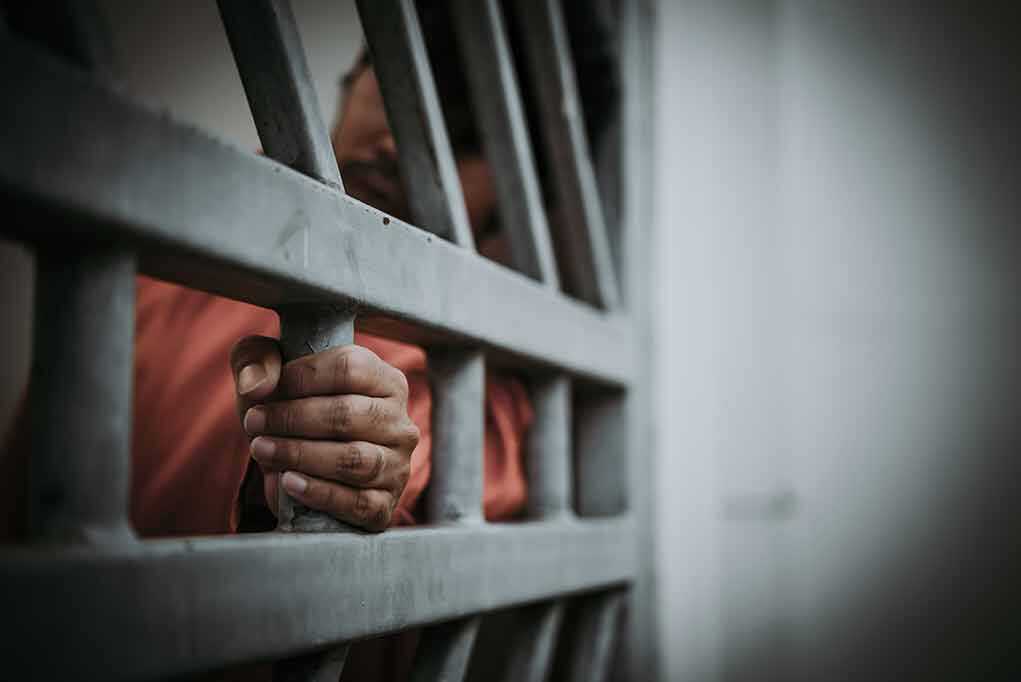
California’s 2020 law lowered elderly-parole eligibility to age 50 with 20 years served, pushing far more serious offenders into earlier parole hearings.
Story Highlights
- Law now lets inmates age 50+ with 20 years served get a parole hearing
- Policy applies to both fixed and life-term sentences, with carve-outs
- Board must approve unless it finds current, unreasonable public-safety risk
- State cites low reoffense rates but offers few case-level transparency details
What Changed: Lower Age, Wider Reach
California expanded elderly parole in 2020, effective January 1, 2021. The rule set eligibility at age 50 with 20 years of continuous incarceration. That change opened the door for many more inmates to seek a hearing, including people with lengthy sentences. The Board of Parole Hearings acknowledges the threshold and cites the 2020 action as the legal driver of the shift. The program covers both determinate and indeterminate terms, which means long-term prisoners can now come before the board sooner than before.
Supporters stress that eligibility does not mean automatic release. The California Department of Corrections and Rehabilitation states the Board of Parole Hearings decides if someone currently poses an unreasonable danger. Those found risky are not released. That safeguard is part of Penal Code section 3055 and the board’s process. The board also says it gives special consideration to age, time served, and any reduced physical capacity when weighing suitability for parole in these cases.
The Legal Standard: “Suitable Unless Risky”
California regulations say a hearing panel must find an elderly inmate suitable for parole unless the panel determines the person remains a current, unreasonable risk to public safety. That “suitable unless” structure puts a heavy thumb on the scale for release if the board does not see a present danger. Critics argue that this presumption, paired with a lower age threshold, tilts policy away from victims and toward early release. Defenders reply that the standard still blocks anyone who is a real threat.
The state points to low recidivism among people released through board processes. California’s research office reports conviction rates around two percent over three years for elderly-parole releases in some prior cohorts. The governor’s team has also cited very low reoffense rates for older parolees in public comments. Those figures support the claim that age reduces risk. Still, reoffense rates do not answer which offenses are entering the parole pipeline now, or how many denials occur per grant.
Scope, Exclusions, and Public Safety Gaps
The program is broad in scope but includes clear carve-outs. People sentenced to death, to life without the possibility of parole, under three-strikes life terms, or for certain murders of peace officers are excluded. Everyone else age 50 and older with 20 years served can seek a hearing, whether the sentence is fixed or life with parole. That design implies the legislature expected the board to screen serious crimes using risk tools rather than category bans alone.
CalMatters reported that sex offenders qualified under the policy, which spurred political pushback and talk of narrowing rules. That reporting underscores how the lower age bar widened the eligible pool, while leaving the safety question to board discretion. The board’s handbook explains the process and confirms the elderly-parole pathway, but it does not list offense-by-offense grant rates. Without public, case-level outcome data, families and local police cannot easily judge whether the screen is as strict as promised.
Why It Matters to Families and Law Enforcement
Victims and police want certainty that violent offenders are not walking out early. The 2020 change advanced hearings well before traditional parole dates for many long-term inmates. The state defends this as a controlled, data-driven process and notes the board’s training and risk assessments. Yet the regulation’s “suitable unless” phrasing, combined with the wider net, raises a fair question about where caution should rest when stakes are life and safety.
𝐒𝐓𝐎𝐏 𝐓𝐇𝐄 𝐌𝐀𝐃𝐍𝐄𝐒𝐒
𝟏𝟎𝟐 𝐘𝐄𝐀𝐑𝐒. 𝐀𝐍𝐃 𝐇𝐄 𝐖𝐀𝐋𝐊𝐄𝐃 𝐅𝐑𝐄𝐄.
Michael Douglas Brambles was convicted on 26 counts, including 18 armed robberies and multiple sexual assaults, and sentenced to 102 years in prison.
Yet in 2020, California’s 𝐞𝐥𝐝𝐞𝐫𝐥𝐲…— Criminal Justice Legal Foundation (@CJLF_Sacramento) August 18, 2026
President Trump’s Justice Department cannot overturn California law, but it can highlight best practices that center victims and public safety. California leaders should publish offense-level hearing outcomes, grant and denial rates, and any reversals. The board should release summaries that explain how risk tools handled violent and sexual offenses. Sunlight would either validate the safety claims or reveal gaps. Until then, the lowered bar plus a release-friendly standard will keep Californians on alert.
Sources:
nypost.com, cdcr.ca.gov, codes.findlaw.com, law.justia.com, shouselaw.com