

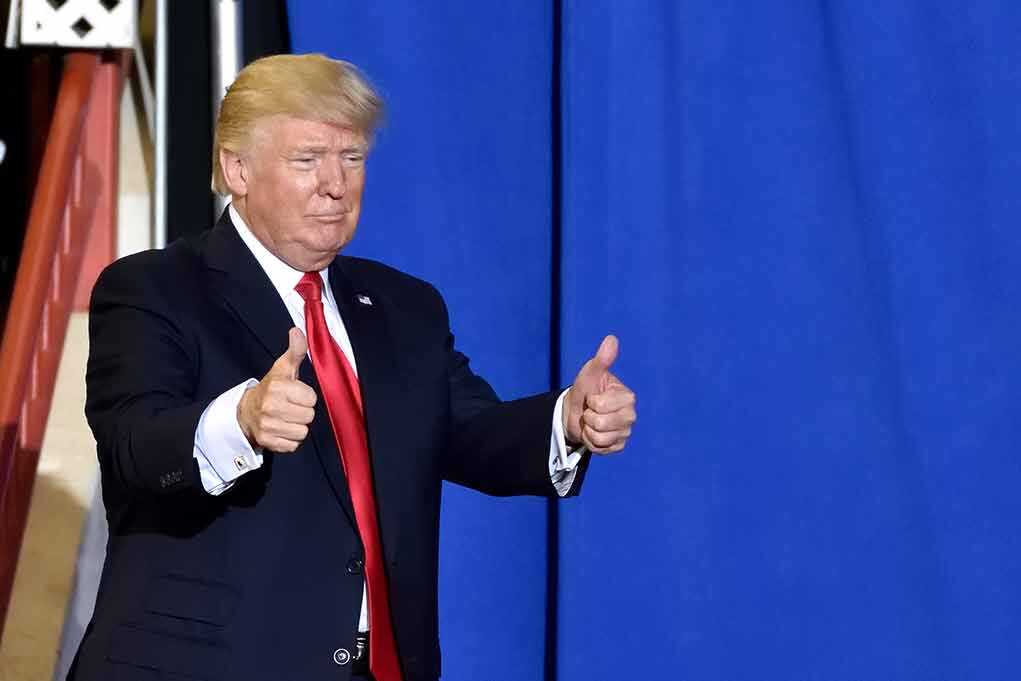
The Federal Reserve signaled more rate hikes as inflation stays above target, setting up a high-stakes clash with President Trump’s push for lower borrowing costs.
Story Highlights
- The Federal Reserve says inflation is still above its two percent goal.
- Chair Kevin Warsh warned inflation has lasted “too long,” backing tighter policy.
- President Trump urged lower interest rates to ease costs for Americans and the nation.
- Fresh Fed minutes show prices running hotter than target this summer.
Fed Reaffirms Focus on Two Percent Inflation Goal
The Federal Reserve stated it aims for maximum employment and two percent inflation over time, and said inflation remains above that goal. Officials kept the policy rate in a mid-three percent range through midyear while stressing commitment to price stability. Those statements matter because they guide markets and Main Street. When the central bank says inflation is still high, it sets the stage for tighter policy. That stance shapes mortgage rates, car loans, and small business credit.
Recent minutes add teeth to that view. The report said overall prices, measured by the personal consumption expenditures index, rose 4.1 percent over the past year in May, with core prices at 3.4 percent. Those numbers sit well above two percent. That gap is what drives the debate. If inflation stays hot, the Fed feels pressure to act. If it cools fast enough, cuts could come later. For families, the numbers mean budgets keep feeling a pinch.
Warsh Signals Resolve as Inflation Persists
Federal Reserve Chair Kevin Warsh said the “plain fact” is that inflation has been too high for too long, and he backed a steady hand to push it down. His message tells markets the bank will not declare victory early. It also hints that supply shocks, like energy spikes, still feed prices. The central bank’s July policy report flagged supply pressures in energy and other areas that kept inflation elevated into this year. That mix makes the job harder.
Warsh’s stance aligns with the bank’s written goal and the price data. It also fits the pattern seen in past cycles where central banks tighten once inflation persists. The risk is clear: tighter policy can slow growth and raise borrowing costs. But the longer inflation runs hot, the more it seeps into wages and rents. That is why officials stress patience and credibility. They want inflation back to two percent without breaking the economy. History shows that is not easy.
Trump Presses for Lower Rates to Ease Costs
President Trump publicly called for lower interest rates, saying the United States should have the lowest rates in the world. He argued that cutting rates would ease costs for families and reduce the nation’s interest burden. His view reflects frustration many Americans share. Higher rates raise mortgage payments, credit card bills, and car loans. Small businesses face steeper costs too. Lower rates could offer quick relief and help growth if inflation cools enough.
Critics warn that cutting rates too soon could rekindle price spikes. Supporters say households need relief now and that supply-driven costs limit what rates can fix. The central bank’s mandate anchors the debate. The data show inflation is still above target, even as some pressures fade. That pushes the bank to act carefully and communicate clearly. For conservative readers, the bottom line is discipline: crush inflation, protect jobs, and avoid new shocks from policy whiplash.
What This Means for Family Budgets and Energy Bills
Higher policy rates often push up mortgage rates, which can freeze home sales and keep would-be sellers stuck. Credit cards reset higher, and monthly interest adds up fast. For retirees on fixed incomes, high inflation quietly taxes savings. The Federal Reserve’s July report tied some of the price pain to energy, which hits gas tanks and power bills first. If energy stays volatile, inflation can linger. That is why stable, abundant American energy remains key to relief.
Copper steadied as traders shrugged off hawkish messaging from the Federal Reserve chair following a widely expected interest rate hike https://t.co/03WUaYLT4W
— Bloomberg (@business) September 17, 2026
Conservatives should watch three dials: inflation, jobs, and rates. If inflation keeps falling toward two percent, pressure for hikes should fade. If the job market weakens, the bank may pause sooner. If energy prices spike again, the fight drags on. Leaders must also avoid heavy spending that stokes demand. Fiscal restraint, reliable domestic energy, and clear, steady policy can lower prices without crushing growth. Families deserve a plan that ends inflation and restores buying power.
Sources:
feedpress.me, federalreserve.gov