
In Minneapolis, the fatal shooting of a citizen by an Immigration and Customs Enforcement (ICE) agent has escalated tensions, prompting Minneapolis Public Schools to cancel in-person classes and switch to remote learning for the remainder of the week. The incident, which occurred during intensified ICE operations, has sparked widespread fear of federal overreach and raised alarms about community safety. Competing narratives from federal and local authorities regarding the shooting victim’s role, alongside growing protests, underscore a heated national debate over immigration enforcement and civil liberties.
Story Highlights
- Minneapolis schools shift to remote learning following the fatal ICE shooting of Renee Good.
- ICE activities in Minneapolis have sparked fears of government overreach and community safety concerns.
- Federal and local narratives clash, with disputes over the role of Renee Good as a legal observer.
- Trump administration’s aggressive immigration policy under scrutiny for its impact on citizens.
Minneapolis Schools Shift to Remote Learning
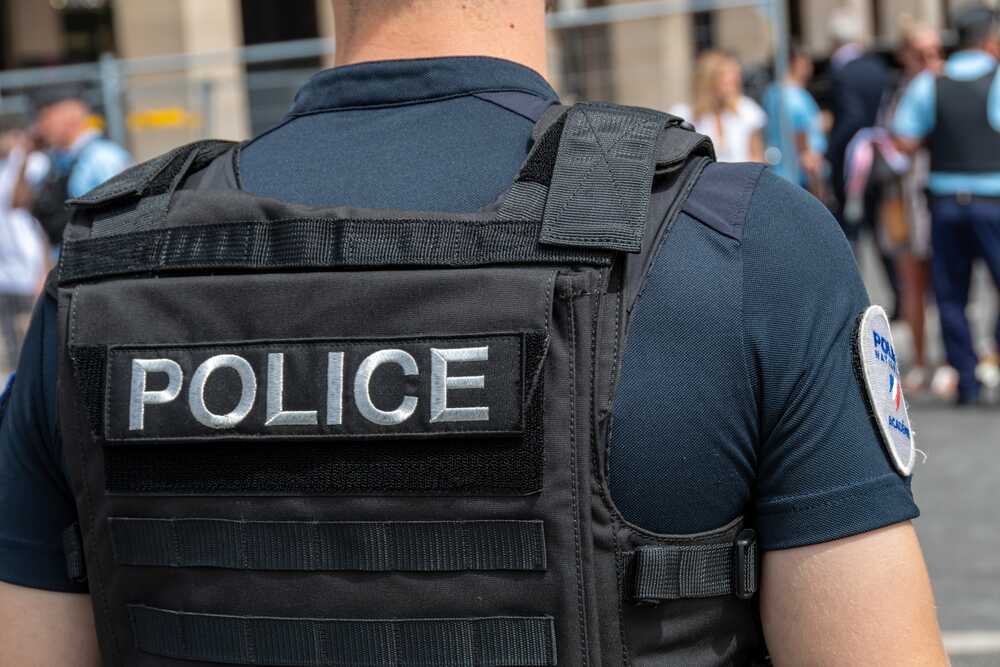
In response to the fatal shooting of Renee Nicole Good by an ICE agent, Minneapolis Public Schools have moved to remote learning. The incident, which occurred during an intensified ICE operation, has raised alarms about the safety of students and staff. The school district cited the use of force near educational facilities as a primary concern, leading to the decision to cancel in-person classes for the rest of the week.
The community’s reaction underscores broader fears of federal overreach, as ICE operations have intensified in the city under President Trump’s directive. This situation has reignited debates over the limits of federal authority, particularly in sensitive locations like schools.
Minneapolis public schools canceled classes today after Roosevelt High School said armed Border Patrol agents came on school property during dismissal on Wednesday and attacked students and faculty staff.
Schools across Minneapolis were canceled today after ICE agents shot and… pic.twitter.com/7i41emA4Kk
— MintPress News (@MintPressNews) January 8, 2026
Disputed Accounts of the Incident
The shooting of Renee Nicole Good has become a focal point of conflicting narratives between federal and local authorities. According to Minnesota officials, Good was acting as a legal observer at the time of the incident. In contrast, the Department of Homeland Security, represented by Secretary Kristi Noem, has defended the ICE agent’s actions, labeling Good’s behavior as obstructive.
These opposing views reflect the broader tensions surrounding ICE’s role in immigration enforcement, particularly when it involves U.S. citizens. The incident has drawn significant media attention, emphasizing the need for clarity and accountability in federal operations.
Community and National Reactions
The aftermath of the shooting has seen an outpouring of protests and calls for justice across Minneapolis and beyond. Local activists have linked the case to broader issues of policing and civil liberties, drawing parallels to past high-profile incidents in the city. The response from the community highlights the ongoing struggle between maintaining law and order and protecting individual rights.
As investigations continue, the nation watches closely, questioning how such incidents align with American values of freedom and justice. The situation remains fluid, with both local and federal governments grappling with the implications of their actions.
Watch the report: Minneapolis educators, families ask ICE to stay out of schools
Sources:
- Minneapolis to offer online learning through Feb. 12 amid ICE actions near schools
- Minneapolis schools offering remote learning in wake of ICE shooting
- Minneapolis Public Schools offering E-learning through Feb. 12 due to ICE shooting