
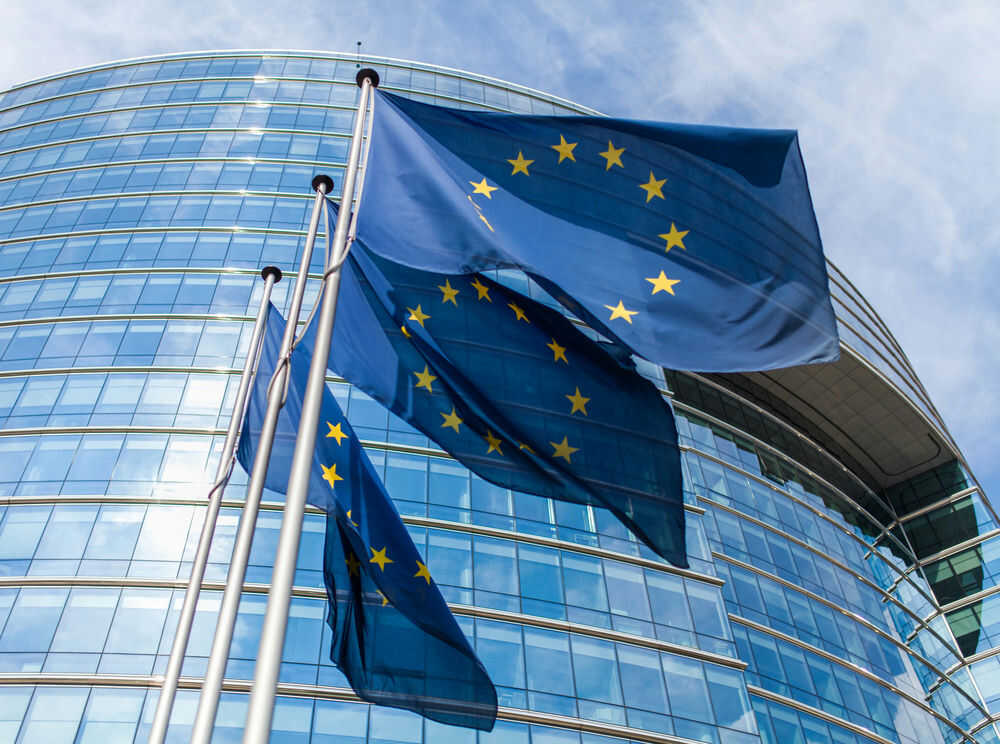
EU defense ministers are using a Cyprus meeting to signal that Brussels wants more war support for Ukraine and tighter control over Europe’s vulnerable seas, not another layer of bloated bureaucracy.
Quick Take
- EU defense ministers met in Nicosia to discuss continued support for Ukraine and maritime security challenges across the region.[3][5]
- Officials tied Ukraine aid to broader European security, calling it a long-term investment rather than a short-term political gesture.[3]
- The agenda also pointed to maritime domain awareness, a Joint Maritime Security Centre, and coordinated response tools for sea-borne threats.[1]
- Reports around the meeting show renewed pressure for stronger sanctions, more military aid, and closer defense cooperation without duplicating NATO.[4][5]
Ukraine Aid Framed as European Security
Defense ministers from across the European Union gathered in Nicosia for an informal meeting centered on the war in Ukraine and security concerns affecting maritime routes in the Mediterranean and beyond.[3][5] Estonian officials said the central message was blunt: supporting Ukraine is “not a short-term effort, but a strategic investment in European security,” reflecting how European leaders now describe the conflict as a test of the continent’s own resilience.[3]
The meeting’s tone suggests Brussels still wants to project unity, even as the details remain open-ended. The supplied reporting shows ministers discussing continued support for Ukraine, European defense cooperation, and maritime security, but it does not document a final decision on a separate European Union army or any fully defined “drone wall.”[3][5] What is clear is that the officials want more coordinated military backing, not a retreat into half-measures that leave Ukraine exposed.[3][4]
Maritime Security Moves Up the Agenda
The maritime piece matters because the European Union is now treating sea lanes, ports, and surveillance gaps as part of the same strategic picture as the land war in Ukraine.[1][3] The SENTINEL program has moved into implementation, with an integrated Maritime Domain Awareness system and a Joint Maritime Security Centre designed to improve real-time information sharing and coordinated interagency response across the maritime domain.[1] That is the sort of practical defense work voters expect when governments say security matters.
Ukraine’s own maritime planners are also pushing ahead. Ukraine’s draft Maritime Security Strategy has been finalized by an interagency working group, showing that Kyiv is trying to harden its sea defenses while the war continues.[2] In plain terms, the Europeans are not just talking about battlefield aid; they are also grappling with the reality that shipping routes, coastal infrastructure, and surveillance networks are now strategic targets in a wider security contest.[2][3]
Pressure for Stronger Support, Not Smaller Ambitions
Public remarks tied to the meeting point toward a harder line on Russia and a continued push to mobilize funding for Ukraine.[4][5] The European External Action Service said ministers discussed military support to Ukraine with the Ukrainian defense minister joining remotely, while related reporting said officials backed efforts to mobilize European Peace Facility funds.[4][5] For conservatives skeptical of endless foreign entanglements, the key question remains whether Europe will spend wisely and decisively instead of drifting into symbolic gestures and diluted commitments.[4][5]
The broader pattern is familiar: European officials talk about sanctions, security guarantees, and collective defense while trying to avoid direct institutional overlap with the North Atlantic Treaty Organization.[3][4] That approach may sound orderly in Brussels, but the real test is whether it produces deterrence, production capacity, and secure borders on land and at sea. The documents provided show a serious push toward those goals, but they also leave unanswered how quickly Europe can turn strategy into hard power.[1][3][5]
Sources:
[1] YouTube – LIVE: EU defense ministers discuss support to Ukraine, maritime …
[2] YouTube – European Defence Ministers Discuss Ukraine War, Middle East …
[3] YouTube – EU’s Kaja Kallas on Russia-Ukraine War, Strait of Hormuz, Military …
[4] Web – European defence ministers focused on supporting Ukraine and …
[5] Web – Kallas: EU defence ministers support efforts to mobilise European …