

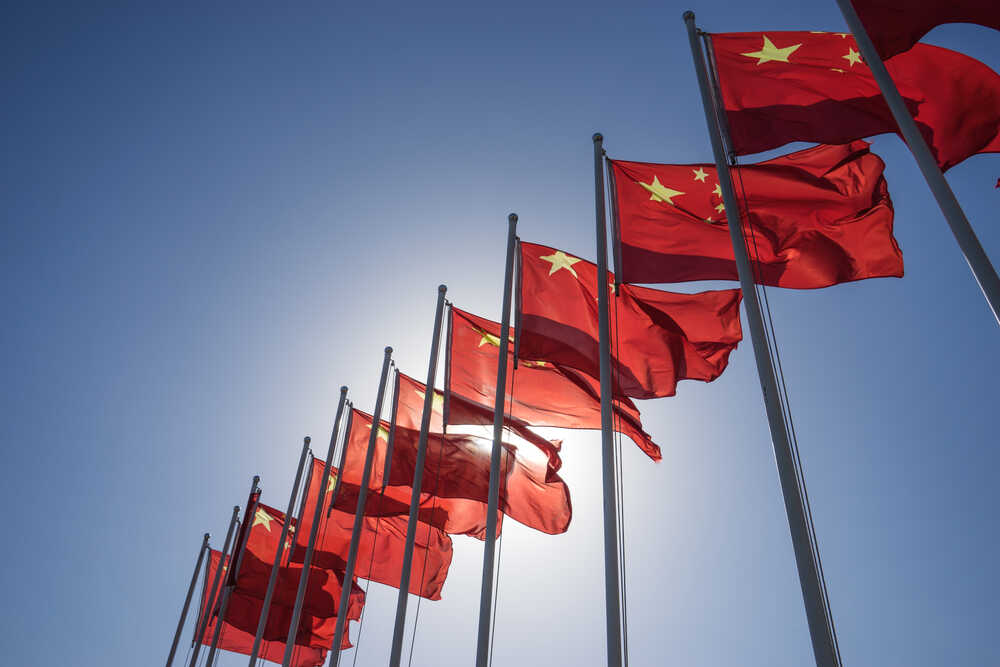
A Canadian Conservative MP says Beijing is reaching into Canada’s culture and industry—an attack that should alarm every North American who cares about free speech and national sovereignty.
Story Snapshot
- Conservative MP Shuvaloy Majumdar warns of Chinese Communist Party influence in Canada’s cultural and industrial life [2][5].
- Canadian security materials describe influence tactics like media co-optation and pressure campaigns [14].
- Parliamentary records and inquiry submissions document foreign interference and intimidation methods [9][12].
- Evidence supports election meddling and digital harassment, while sector-specific arts cases remain limited in public view [12][21].
Who Is Sounding The Alarm And Why It Matters To Americans
Conservative Member of Parliament Shuvaloy Majumdar serves on Canada’s foreign affairs and human rights committees. His warning carries weight because he works inside those files and has written against risky policy “pivots” toward Beijing’s regime [2][5]. He argues that China’s ruling party is not only meddling in elections. He says it also reaches into culture and industry to chill criticism and bend outcomes. That charge matters across our border. Culture and supply chains do not stop at customs.
Majumdar’s institutional role is documented on Canada’s official Parliament site, which lists his committee work on foreign affairs and rights. That public record shows he is not speaking as a random pundit but as a lawmaker tied to oversight functions [5]. He earlier criticized Canadian moves toward deals with Beijing on trade, cybersecurity, and extradition, arguing such steps invite strategic risk from an authoritarian state [2]. His stance mirrors concerns many Americans share about dependence on hostile regimes that punish dissent and steal advantage.
What Canada’s Own Records Say About Interference Tactics
Canada’s intelligence service has published material on the Chinese Communist Party’s “united front” methods. It says these operations disguise intent, co-opt influencers, and steer media and institutions to serve Beijing’s interests [14]. A parliamentary evidence record details interference during the 2021 election, including pressure and disinformation targeting certain candidates [9]. A public inquiry submission describes intimidation, narrative control, and pressures on journalists that foster fear and self-censorship in Chinese-language media in Canada [12]. These are not rumors; they are documented claims.
Canada’s Rapid Response Mechanism, a government unit, reported a “Spamouflage” campaign using fake videos to harass Mandarin-speaking Canadians, including critics of the People’s Republic of China. The goal was to discredit and silence voices through smear content on major platforms [21]. That is a clear example of digital repression. It supports the core of Majumdar’s warning about suppressing criticism. While not a full map of arts-sector interference, it shows an active effort to shape speech and punish dissent inside Canada’s public square [21].
How Far The Evidence Reaches—And Where It Is Thin
The strongest public record supports foreign interference, intimidation, and media manipulation. It backs claims that Beijing-linked actors try to steer debate and pressure communities in Canada [9][12][14]. That record is narrower on direct, named cases inside film, music, book publishing, or theater. Public proof that ties specific cancellations or funding threats to state direction remains limited in open sources. That gap does not erase the pattern. It simply marks where investigators and journalists still need sector-by-sector documentation [12].
Critics sometimes argue that talk of a cultural “invasion” overreaches the evidence. They say we should focus on proven tactics, such as election meddling, intimidation, and diaspora pressure. That push for precision is fair. But it can also miss the forest for the trees. Intelligence and parliamentary files already show coordinated influence efforts. When a government uses media capture and fear to shape speech, it naturally brushes against culture and industry. The lines are blurry because that is by design [14].
Why This Should Concern The United States Right Now
American creators, schools, and companies face similar pressure campaigns. Supply chains, tech research, and entertainment markets are cross-border. What chills a critic in Vancouver can echo in Seattle or Los Angeles. When allies tolerate intimidation and narrative control, our own information space weakens. The stakes are free speech, fair markets, and the strength to call out abuses without losing jobs, deals, or safety. Those are core American values that should not be negotiated away.
Policy lessons are clear. First, expose funding, ownership, and content controls tied to hostile states. Second, protect diaspora communities from threats masked as “anti-racism” spin. Third, back independent media in all languages with transparency and legal shields. Fourth, deepen allied cooperation on counter-disinformation and cyber defense. Canada’s case shows that open societies must act early, or else shadow tactics shape culture before the public sees what changed [12][14][21].
Sources:
[2] Web – China’s regime suppresses Canada’s creative industries – Facebook
[9] Web – Shuv Majumdar on Instagram
[12] Web – Deterrence by Denial: Protecting Chinese Diasporas and Canadian …
[14] Web – Dragon at the door | Macdonald-Laurier Institute
[21] Web – CEO appearance on Foreign Interference in Canadian Elections …