
North Carolina drivers say paying more at the pump is hitting family budgets hard as President Trump defends higher fuel costs as part of defeating Iran’s nuclear threat.
Story Snapshot
- North Carolinians voiced sharp concerns that higher gas prices strain daily budgets.
- President Trump said paying a little more for gas is worth stopping Iran’s nuclear ambitions.
- Gas prices recently topped key benchmarks as the Iran war disrupted energy markets.
- A few voters said short-term pain is acceptable for long-term security.
What North Carolina Residents Are Saying at the Pump
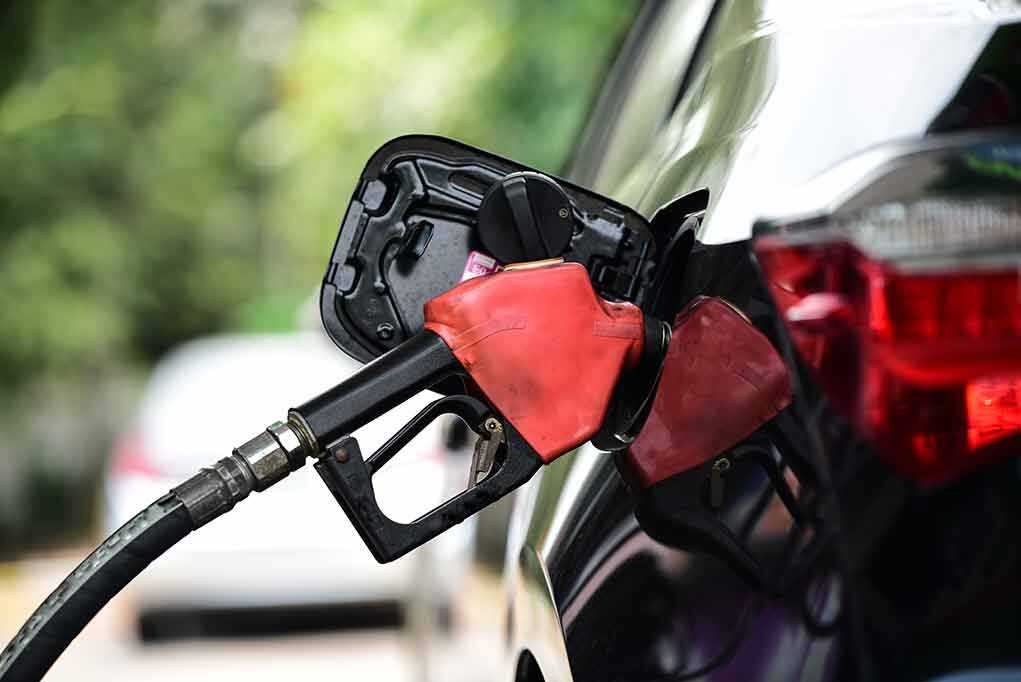
Associated Press interviews in North Carolina captured drivers saying fuel costs have doubled their daily out-of-pocket spend. One resident said, “I put $40 in a day instead of 20,” calling the hit to the wallet unsustainable on a working person’s budget. Others argued leaders should feel the same pinch and craft relief that protects commuters and small businesses. The shared view was simple: every extra dollar at the pump steals from groceries, rent, church giving, and kids’ activities.
Several residents also questioned whether Washington has a plan to ease the squeeze. They worried that high prices could linger even after fighting slows because supply lines remain tight. Their frustration tapped a broader pattern seen in past conflicts: fuel shocks hit fast and feel like a tax on driving to work, school, and worship. People do not debate security needs; they feel the pain first and look for proof that Washington is guarding both safety and their paychecks.
What President Trump Said and Why
President Trump told Americans that paying a “tiny little bit more” for gasoline is a price worth paying if it blocks Iran from getting a nuclear weapon. He urged patience while the conflict continues and said he would not apologize for higher prices tied to the fight, stressing the national security stakes. On television, he also predicted prices would drop fast once the war ends, signaling a belief that relief will follow a clear victory and restored energy flows.
Some voters agreed with that tradeoff. A Trump voter told a national network that paying a little more now is acceptable if it keeps people safe. Another framed the increase as a cost of war, while several supporters expected the price spike to be short-lived if U.S. goals are met quickly. These views reflect a common wartime stance among conservatives: protect America first, end the threat, then drive prices down through stronger supply, stable shipping lanes, and pro-energy policies.
Prices, Security, and the Household Squeeze
Gas prices climbed above four dollars a gallon in parts of the country during the Iran war, reviving sticker shock last seen several years ago. National reports tied the rise to disrupted supply routes and refinery risk, which feed into higher pump prices even when demand is steady. That jump hit truck owners, contractors, farmers, and church groups the hardest, since they log more miles each week and burn more fuel to keep work moving, families cared for, and local life strong.
Energy analysts have warned that war-related shocks can last months, even after a cease-fire, if transit and refining capacity remain constrained. That is why working families want a two-track plan: protect the homeland and cut the costs that punish drivers. For conservatives, that means more domestic drilling, faster permits, new pipelines, and refinery upgrades, so America never lets foreign regimes hold our economy hostage again—no green mandates, no bureaucratic slow-walks, and no surrender of energy independence.
Balancing Conservative Priorities: Strength Abroad and Relief at Home
Conservatives can back a hard line on Iran and still demand immediate relief for commuters. The federal government can suspend nonessential fuel taxes, open federal lands, and speed approvals to increase supply. States can pause their own add-ons and clear roadblocks to new storage and distribution. These steps help families today while the military pressures Tehran to stop threatening American ships, allies, and energy routes. Strength is not just missiles and carriers; it is also a full tank that a working dad can afford.
North Carolina’s message is clear: win the war fast and lower prices even faster. Voters who accept short-term costs want proof that Washington is cutting red tape, not adding it. They expect a straight plan with a clock on it, not vague promises. President Trump has tied the price spike to a vital mission. Now the mission on the home front must be cheaper gas, reliable diesel, and a return to American energy dominance—so our enemies lose leverage and our families keep more of every paycheck.