

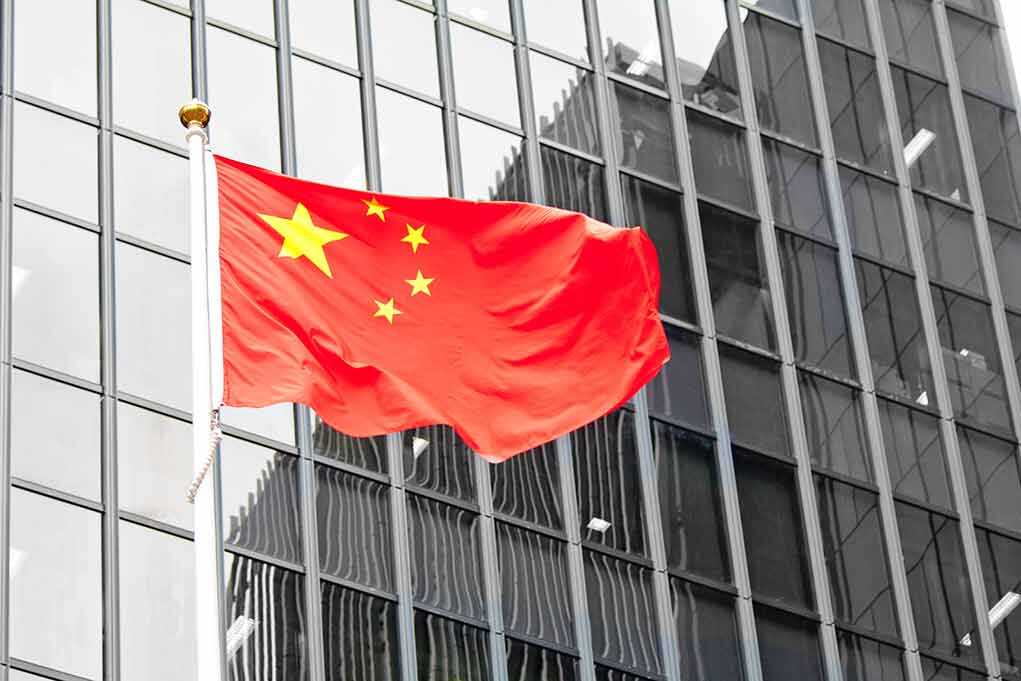
China’s ruling party is tearing up the market reforms that once powered its rise, and that shift carries big risks for America’s economy and security.
Story Highlights
- Zhu Rongji’s 1990s reforms slashed failing state firms and pushed China into the World Trade Organization.
- A 1994 tax overhaul strengthened Beijing’s control and reshaped China’s growth model.
- Analysts say today’s leaders are reversing Zhu’s market tilt and favoring state control.
- America must prepare for a more state-driven, less transparent China that targets U.S. industry.
Zhu Rongji’s Reform Playbook And Why It Mattered
Reuters, Bloomberg, and others describe Zhu Rongji as the hard-nosed fixer who shut or privatized many failing state firms, laid off workers, and forced discipline across taxes, banks, and industry in the 1990s. Those moves cleared the path to World Trade Organization entry, which opened global markets to Chinese exports. National Public Radio adds that the World Trade Organization deal turned China into a manufacturing powerhouse, reshaping supply chains and pressuring U.S. factories for years.
China’s own State Council obituary credits Zhu with spearheading fiscal and tax reform, building the “socialist market economy” framework, and steering the final World Trade Organization negotiations. It also says he made state-owned enterprise reform the central link of structural change. These actions helped Beijing restore macro stability and attract foreign capital. For Americans, that era set the stage for cheap imports, hollowed-out towns, and a rising rival that now challenges U.S. industry and workers.
The 1994 Tax Overhaul: Central Power And Local Fallout
Reuters Breakingviews reports that Zhu’s 1994 overhaul restored Beijing’s finances and strengthened the central state. By concentrating revenue in the capital while leaving provinces with big bills, the system pushed local officials toward land sales and off-book borrowing. That bargain fueled construction and exports but also built debt and property dependence. China’s State Council notes Zhu introduced a tax-sharing system that reset central-local roles and launched pilot tax and fee changes in rural areas.
These choices powered growth yet carried costs. Millions lost state jobs as inefficient firms closed, and many communities faced hard transitions. From a U.S. perspective, the model helped China scale fast and sell cheap abroad, while our leaders looked the other way as plants closed. Conservatives warned that one-sided trade and weak enforcement would undercut American workers. They were right. Fair trade and national strength demand rules that protect our industries, not policies that reward offshoring.
From Market Tilt To State Muscle Under Today’s Leadership
Analysts now argue that many market-oriented policies from Zhu’s era have been rolled back. A 2026 advocacy analysis says the current government favors state-owned enterprises while squeezing private and technology firms. This turn means less transparency and more political control over capital. For Americans, that points to a competitor that mixes state power with targeted industrial policy, then dumps products abroad to win market share, all while restricting access at home.
That environment also affects risk for U.S. investors and supply chains. When political directives override markets, contracts weaken and sudden crackdowns can erase value. Conservative policy must respond with strong domestic production, secure supply lines, and trade tools that punish cheating. President Trump’s team has prioritized fair trade and strategic decoupling in sensitive sectors. That approach matches today’s reality: deal from strength, bring factories home, and guard critical technologies.
What Zhu’s Legacy Teaches Washington Now
Zhu’s reforms show how policy choices can rewire an economy in a decade. Reuters and National Public Radio show how state firm cuts, fiscal centralization, and World Trade Organization entry shaped China’s surge. China’s official obituary frames it as building a “socialist market economy”. The lesson for America is simple: nations that set clear goals and align finance, industry, and trade rules can win. We must do the same, but anchored in liberty, fair competition, and secure borders.
Here are the stakes for U.S. readers. A more state-driven China can swing prices of steel, solar panels, cars, chips, and drugs. It can squeeze our allies, punish companies, and exploit loopholes. Congress should back strict trade enforcement, end reliance on hostile supply lines, and expand American energy to cut costs. States should clear the way for factories, pipelines, and mines. Families deserve stable prices and good jobs at home, not more debt tied to imports from a rival superpower.
Sources:
zerohedge.com, reuters.com, en.wikipedia.org, wsj.com, npr.org, bloomberg.com