

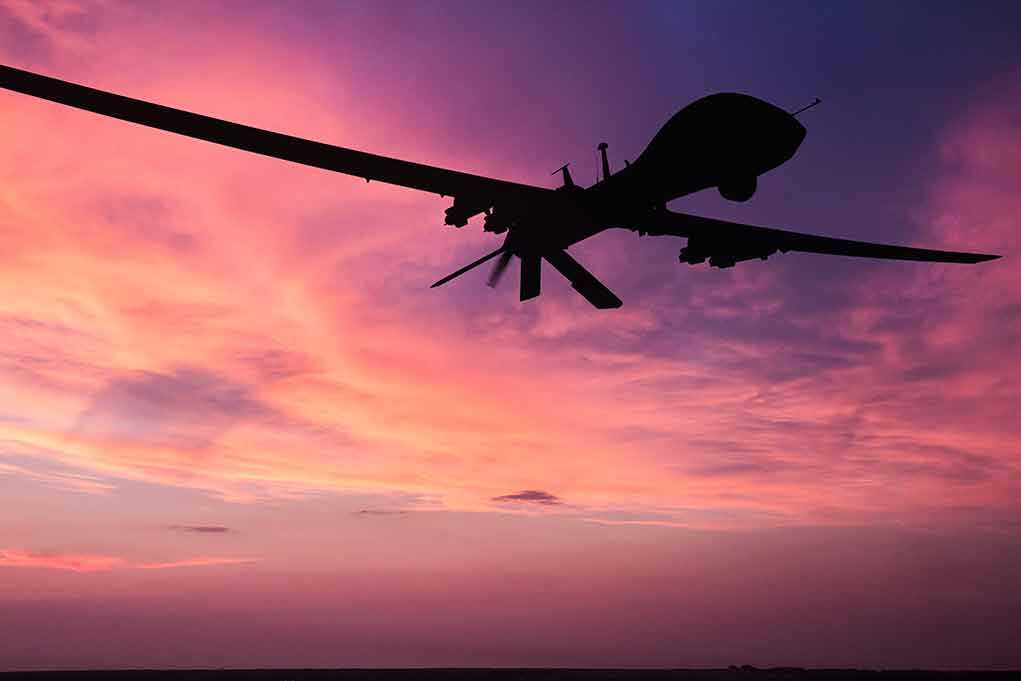
New Zealand’s push to buy long-range **one-way strike drones** shows how quickly modern warfare is changing, and how fast governments are racing to catch up.
Quick Take
- Defence Minister Chris Penk says New Zealand wants to buy long-range, one-way strike drones worth up to NZ$300 million.
- Penk says the drones would be human-operated and cheaper than conventional missiles.
- The government is also looking at long-range unarmed drones for maritime surveillance.
- The broader defense plan focuses on maritime security, fleet renewal, and local suppliers.
Government Moves Ahead With Drone Buy
New Zealand plans to buy long-range, one-way strike drones as part of its defense modernization effort, according to reporting from Reuters and local media. Penk said the government wants local suppliers involved, and one report said the project could reach NZ$300 million under the Defence Capability Plan. The plan adds another sign that small nations now see drones as a central part of military power, not a side tool.
Penk said the strike drones would be human-operated and would carry explosive payloads. He also said they would offer a cheaper option than conventional missiles. That detail matters because it shows the government is not talking about a sci-fi weapon system. It is talking about a practical, lower-cost way to add reach and firepower while avoiding the price of traditional strike weapons.
Maritime Security Remains A Major Driver
The strike-drone purchase sits inside a wider defense push that also includes unarmed long-range drones for maritime surveillance. Reuters reported that Penk said New Zealand would also look for drones that can help watch sea routes and support maritime security. Another government-backed release said drone trials will include air, land, and sea systems, with tasks such as transport, maritime patrols, and route reconnaissance.
That broader plan fits New Zealand’s geography and its dependence on sea lanes. Reuters reported in May that the government set aside NZ$1.58 billion in new defense spending, with maritime security a key focus. In plain terms, Wellington is trying to cover more ocean with less money, and drones are becoming the tool of choice for that job.
Local Industry Gets A Bigger Role
Penk has made clear that the government wants New Zealand firms involved in the drone buildout. A government release said the Defense Force will buy and trial advanced uncrewed systems from Syos Aerospace, a New Zealand company, to support capability and grow local industry. That approach may appeal to taxpayers who want defense dollars spent at home instead of sent overseas.
New Zealand is looking to buy “one-way strike drones” as it seeks to modernize its military, Defense Minister Chris Penk saidhttps://t.co/4SGyV81Jfw
— The Defense Post (@DefensePost) July 29, 2026
The procurement also reflects a wider shift in defense thinking. The same budget line can cover surveillance drones, transport systems, and strike drones, which helps explain why the public debate can sound mixed. Critics often hear “killer drones,” while officials talk about modernization and maritime patrols. Both frames appear in the reporting, but the core point is simple: New Zealand is building a drone force to serve a more demanding security environment.
Sources:
insiderpaper.com, 1news.co.nz, nighthawk.nz, rnz.co.nz