
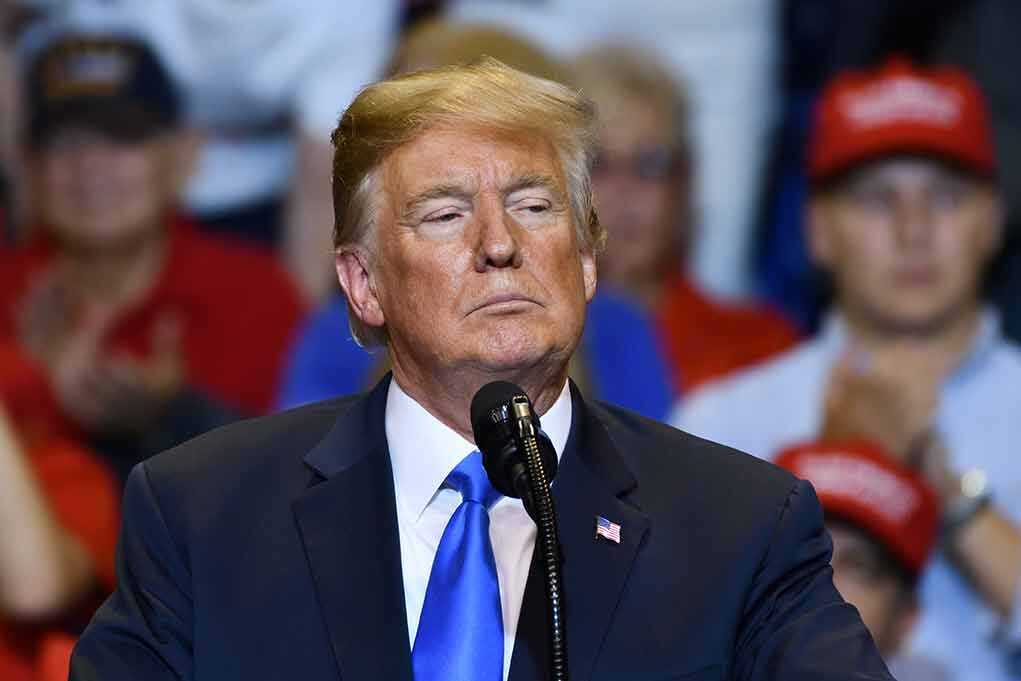
Iranian officials and state media are again flirting with assassination threats against President Trump, underscoring how foreign enemies and political violence are now a real part of American life.
Story Snapshot
- U.S. and Israeli intelligence say Iran has explored plots to assassinate Donald Trump as revenge for the 2020 killing of Qassem Soleimani.
- Federal prosecutors have already charged alleged Iran-linked operatives in prior schemes targeting Trump, showing talk has crossed into action.
- Iranian state television has aired images of Trump with captions implying “this time” an attempt on his life will succeed.
- U.S. security agencies have tightened Trump’s protection, even as some analysts argue Iran favors proxies and “lone wolves” over direct government hits.
Escalating Threats From Tehran Put Trump Personally in the Crosshairs
Reports from American and Israeli officials say Iran has repeatedly explored ways to kill Donald Trump, treating his assassination as payback for ordering the strike on terror commander Qassem Soleimani in 2020. U.S. intelligence has monitored what officials call a “steady drumbeat” of chatter among Iranian hard-liners who view Trump as enemy number one. Trump himself has told allies he is “number one on the kill list for Iran,” a claim supported by multiple disrupted plots and public Iranian rhetoric.
In 2024, U.S. authorities broke up a conspiracy they say was directed by Iran’s Islamic Revolutionary Guard Corps to assassinate Trump before the election, and federal charges were filed against alleged operative Farhad Shakeri. Another case involved Pakistani national Asif Merchant, arrested and later convicted after allegedly planning political killings on U.S. soil, with leaked documents tying him to a $1 million bounty for Trump’s death. These prosecutions show that for Iran, Trump is not just a symbol; he is a named target in real-world plots.
From Chants and TV Graphics to Concrete Security Changes
Iran’s leadership and media have also turned their threats into spectacle, broadcasting images of Trump linked to the 2024 rally shooting in Pennsylvania and overlaying the message, “This time it will not miss the target”. At funerals and public events, crowds have chanted for Trump’s death while regime figures talk openly of “vengeance” for Soleimani, framing retribution as a “legitimate right and duty” of the state. That kind of messaging does more than signal anger; it normalizes political violence and can energize extremists who do not need direct orders.
American officials have taken the threats seriously enough to change how they protect Trump. The National Security Council warned the Secret Service of an increased Iranian danger, and Trump’s protective detail was tightened in the weeks before the 2024 assassination attempt in Pennsylvania. The White House has said the intelligence on Iran is a “national security matter of the highest” importance, even as investigators confirmed the rally shooter acted alone and had no link to Iran. For conservatives, that split is crucial: homegrown political hatred produced the shooter, but foreign enemies are still hunting for opportunities.
Iran’s Denials, Expert Skepticism, and the Reality of Risk
Iran’s foreign ministry has angrily denied every accusation, calling reports of plots against Trump “malicious” and claiming political motives behind U.S. and Israeli warnings. In private channels, Iranian officials told Washington they do not intend to kill Trump, even while insisting the Soleimani strike was unlawful and promising ongoing resistance. Some security experts say a direct government hit on a sitting U.S. president is unlikely and “not Iran’s modus operandi,” noting its long history of using proxy networks and cutouts instead of openly claimed attacks.
That skepticism does not erase the danger. The Department of Justice has linked Iran-backed operatives to at least four foiled assassination plots on U.S. soil in just 18 months, including cases targeting an Iranian-American writer, former national security adviser John Bolton, and others seen as enemies of the regime. Analysts warn that Tehran’s public threats can inspire “lone wolf” actors or militias who view attacking Trump as a way to serve Iran without an official order. For a nation built on the rule of law, this trend is a direct challenge to our ability to keep elected leaders safe and to reject political violence as a tool of foreign policy.
Sources:
feedpress.me, cnn.com, bbc.com, youtube.com, iranintl.com, theatlantic.com, politico.com, aljazeera.com, time.com, wsj.com, en.wikipedia.org