

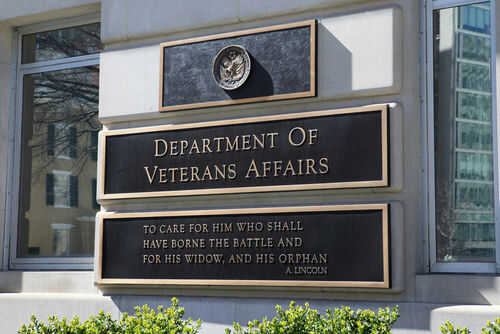
Congress just rolled more than 60 veterans bills into one giant package that could transform care, pay, and survivor support — if lawmakers fund it without quietly sticking the bill to veterans themselves.
Story Snapshot
- Flagship “Elizabeth Dole” package merges dozens of stalled veterans bills into one historic reform push.
- Plan promises better healthcare, more home-based care, job training, homelessness aid, and stronger survivor benefits.
- Conservatives also advanced bills to protect veterans’ Second Amendment rights and stop VA gun-rights abuse.
- Funding fights and hidden cost “offsets” could shift the burden back onto veterans through higher loan and fee costs.
What This New Mega‑Package Actually Does for Veterans
House Republicans, with help from some Democrats, have pushed forward the Senator Elizabeth Dole 21st Century Veterans Healthcare and Benefits Improvement Act as the flagship veterans package of this Congress.[2] This single bill pulls together many bipartisan ideas to modernize care at the Department of Veterans Affairs, expand benefits, and clear red tape that has blocked veterans and families from getting help they already earned.[2][3] Supporters say it is years in the making and finally moves dozens of stalled efforts in one shot.[2]
The package includes the Elizabeth Dole Home Care Act, which would expand home and community-based services at every Department of Veterans Affairs medical center so more aging and severely ill veterans can receive care at home instead of in institutions.[2][3] Veterans who want to age in place, near family, would gain more options instead of being pushed into distant nursing homes.[2] This matters most for rural veterans and those who cannot travel long distances for care.
Key Wins: Home Care, Jobs, Education, and Homelessness Support
The bill also pulls in the Veterans Care Improvement Act to speed up and improve care under the community care program by pushing outside providers to return medical records faster to the Department of Veterans Affairs.[2] That helps protect real medical choice by making private appointments work instead of leaving records lost in limbo. Veterans have long complained that community care sounds good on paper but fails in practice when paperwork disappears or delays follow-up treatment.
On the economic side, the package adds the Veterans Education Assistance and Improvement Act to cut through red tape around the GI Bill, letting student veterans use benefits in ways that fit their real needs.[2] It also carries the Servicemember Employment Protection Act, updating workplace protections so National Guard and Reserve members have stronger job security when they come home from duty.[2] Together, these reforms aim to turn military service into better long-term careers, not bureaucratic headaches and lost paychecks.
Support for Caregivers, Survivors, and Rural Veterans
Family caregivers and survivors, often overlooked in past debates, are a major focus of the package. The Caregiver Outreach and Program Enhancement Act would fund mental health grants in the community to help caregivers dealing with stress and stigma while caring for wounded loved ones.[2][3] Other provisions require the Department of Veterans Affairs to offer alternative programs when families are removed from the main caregiver program, instead of simply cutting them off.[2] These steps reflect lessons from years of backlash when caregivers were dropped with little warning.
Survivors see gains through measures like Gerald’s Law Act, which lets survivors receive a funeral and burial allowance when a veteran dies at home while on hospice, not only when death occurs in a Department of Veterans Affairs facility.[2] Another bill, the Commitment to Veteran Support and Outreach Act, would fund state and tribal veteran service offices to reach rural and Native veterans who often miss out on benefits.[2] For many small-town families, that local help is the difference between using benefits and never filing a claim at all.
Second Amendment Protections and Trump‑Era Course Correction
Conservatives have also moved to stop past abuse of veterans’ gun rights by Washington bureaucrats. The Veterans 2nd Amendment Protection Act would bar the Department of Veterans Affairs from stripping a veteran’s right to own firearms just because they have a fiduciary handling their finances, unless a judge or court first finds them dangerous.[1] That means no more nameless desk clerk sending names to background check lists without due process, a long‑running concern among gun‑rights supporters.
In the broader spending fight, the House passed a Military Construction and Veterans Affairs funding bill for 2027 that fully funds veterans health care and benefits and also bans the Department of Veterans Affairs from removing a veteran’s gun rights without first getting a court order.[3] The same bill sets aside billions for Department of Veterans Affairs hospitals, cemeteries, and toxic exposure care, while winning a 400–15 vote with all “no” votes coming from Democrats.[3] Under President Trump’s second term, Republicans are using these bills to draw a clear line: support vets, protect rights, and demand accountability from agencies.
Hidden Tradeoffs: Who Really Pays for These Benefits?
While the Elizabeth Dole package and related bills promise real help, some earlier veterans measures have raised red flags for conservatives about how Congress “pays” for them. One large benefits bill, the Sharri Briley and Eric Edmundson Veterans Benefits Expansion Act, would finally raise monthly compensation for catastrophically disabled veterans and surviving families after decades of flat rates, and expand home loan access for National Guard and Reserve members.[1][8] No one doubts that these families deserve more support.
But budget analysts have warned that some veterans legislation has used higher Department of Veterans Affairs home loan and refinancing fees on veterans as an “offset” to pay for new promises, effectively taxing veterans to fund their own benefit increases.[8] That approach clashes with conservative ideas of limited government and honest budgeting. If Congress can find hundreds of billions for bloated bureaucracies and foreign projects, it should not nickel‑and‑dime disabled veterans through back‑door fees. The current mega‑package will need close watchdogging to ensure costs are covered without hitting veterans’ wallets again.
Why Veterans Bills Keep Moving — and Why Vigilance Still Matters
Veterans issues remain one of the few areas where Congress still acts in a bipartisan way, and studies show lawmakers with military experience tend to be more effective and more willing to work across party lines. That is one reason large omnibus veterans bills, like this Elizabeth Dole package, keep coming back: they gather many smaller ideas and push them through together. For families worn out by gridlock, that is a rare bright spot.
At the same time, history shows big veterans bills often hide tradeoffs, weak oversight, or programs that sound good but fail in the real world. Conservative readers should welcome the clear gains in home care, caregiver support, job training, survivor benefits, and gun‑rights protections — while demanding that Congress fund these promises honestly, cut waste elsewhere, and hold the Department of Veterans Affairs to strict performance standards. Our veterans have already paid in blood; they should not be asked to pay again in higher fees and lost freedoms.
Sources:
[1] Web – Historic Veterans Package Rolls 60 Bills Into One Congressional Push …
[2] YouTube – PASSED!!! Senate Passage of Comprehensive Veterans Legislative …
[3] Web – Wide-Ranging Veterans Bill Gets Agreement Between House and …
[8] Web – Bill of The Week – MILITARY VETERANS ADVOCACY®