

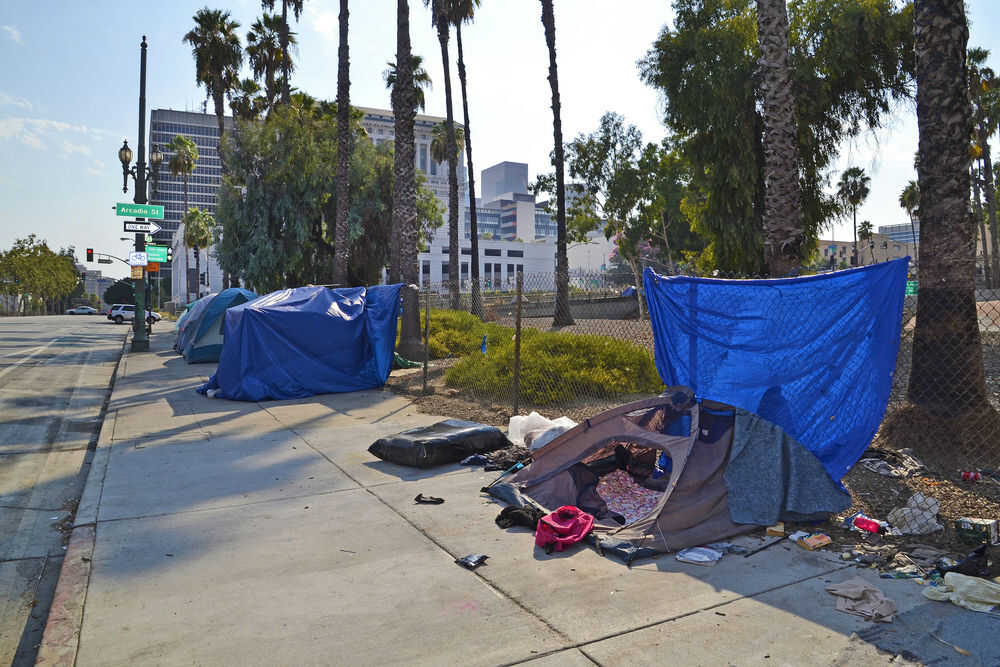
Louisiana’s new “streets or cells” homelessness bill forces people sleeping outside to choose treatment, debt, or jail — and it shows how far states are now willing to go instead of simply fixing housing and addiction.
Story Snapshot
- Louisiana’s HB 211 makes sleeping outside on most public property a crime, with fines, jail time, and even hard labor for repeat cases.[2][3]
- The bill creates “homelessness courts” that push people into year‑long treatment programs as an alternative to jail, but only after a criminal charge.[2][3]
- People forced into treatment can be billed for the program and, if they cannot pay, can be ordered to perform unpaid labor for government or community groups.[2][6]
- Supporters claim it is about safety and connecting addicts and the mentally ill with help, while critics say it criminalizes poverty and copies a national tough‑on‑homelessness agenda.[1][2][4][6]
What Louisiana’s HB 211 Actually Does to People Sleeping Outside
Louisiana’s HB 211 targets “unauthorized public camping,” which includes sleeping outside on most public property when it is not an official campground or shelter.[2][3] Under the bill, a first conviction for camping in public brings a fine of up to five hundred dollars and up to six months in jail.[2][3] A second conviction becomes a felony, with up to two years in prison and possible hard labor plus a one thousand dollar fine.[1][2][3] State lawmakers have nicknamed it the “Streets to Success” bill, but penalties land first.
Supporters, including Republican Representative Debbie Villio, say the bill responds to real problems tied to encampments like public drug use, mental health crises, property damage, and fear in neighborhoods.[1][2] The bill text itself says Louisiana needs programs in the criminal justice system to help homeless people and reduce substance abuse, untreated mental illness, and crimes tied to street living.[2][3] Backers argue that without legal pressure, many addicted or mentally ill people will not accept help or move off sidewalks and underpasses.[1][2]
The “Homelessness Court” Pathway: Help or Coercion?
HB 211 creates special “homelessness courts” to handle cases involving people who are unhoused and charged with crimes tied to living outside, including public camping.[2] Some defendants can avoid serving jail time if they agree to enter a treatment program, stay in a controlled camp site, and follow rules for at least twelve months.[2][3] If they complete the program, the court can throw out the conviction, which supporters frame as a second chance and a path back to work and stability.[1][2]
Critics respond that every one of these “services” starts with a criminal charge, not a simple offer of housing or voluntary care.[2][4][6] Advocacy groups say this is a forced choice between jail and long, mandatory treatment, which many people may not medically need or may not finish.[4][6] The program is not free either. Reports say people are expected to pay for the treatment they are pushed into, with weekly costs in the thousands for in‑patient care in Louisiana.[2][3][6] If they cannot pay, courts can order them to do unpaid labor for government or approved community organizations to erase the debt.[2][6]
Forced Labor, Debt, and the Bigger Fight Over How to Handle Homelessness
National and state homelessness groups call HB 211 one of the harshest anti‑homelessness bills in the country, focusing on how it mixes punishment, debt, and labor.[1][2][4][6] They stress that someone whose only “crime” is sleeping outside because they cannot find a shelter bed can be fined hundreds of dollars they do not have, then sent to jail or into a year‑long program they did not freely choose.[2][3][4] If that person cannot pay for required treatment, the law lets the court order them to work without pay, which critics liken to work camps.[2][3][6]
Opponents also argue that HB 211 copies a wider national model pushed by well‑funded think tanks that favor criminal penalties over “housing first” solutions.[3][4][6] They point to cities that cut street homelessness by placing people in stable housing first, then offering addiction and mental health care, instead of starting with police action and court dates.[3][4] Those critics warn that fines, criminal records, and forced programs will trap poor people in a cycle of court fees and convictions, making it even harder to ever rent an apartment or find steady work again.[3][4][6]
Sources:
[1] Web – Louisiana passes anti-homeless bill that gives vagrants option of …
[2] Web – Louisiana Senate approves controversial homelessness … – Jurist.org
[3] Web – Louisiana Advances One Of The Cruelest Anti-Homeless Bills In The …
[4] Web – [PDF] HLS 25RS-193 ORIGINAL 2025 Regular Session HOUSE BILL NO …
[6] Web – BREAKING: The Louisiana House of Reps. just voted in favor of one …