
A new wealth trend shows America’s richest quietly building escape hatches while ordinary families get stuck with the bill for bad policy and global instability.
Quick Take
- Henley & Partners says inquiries from America’s wealthiest citizens about foreign citizenship and residency jumped 183% in the first quarter of 2025.[1]
- Industry advisers describe second passports as “insurance,” “risk management,” and a “Plan B” for wealthy Americans.[1][2][4]
- The strongest evidence shows rising interest, not proof that a second passport actually delivers better outcomes in a crisis.[1][3][4]
- The market is built around expensive legal programs that are accessible mainly to the ultrawealthy, not the average American.[2][3]
Wealthy Buyers Are Treating Citizenship Like a Backup Asset
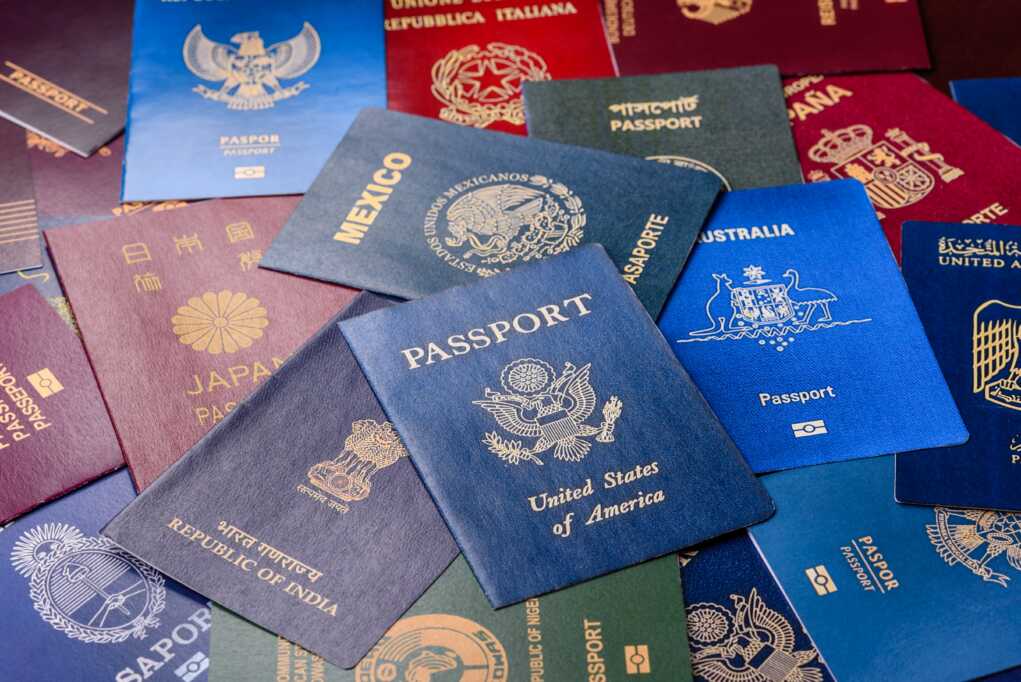
Henley & Partners’ 2025 wealth report says inquiries from America’s richest citizens about foreign citizenship and residency rose 183% in the first quarter of 2025 compared with a year earlier.[1] Realtor.com summarized the trend as a growing search for overseas options among wealthy Americans who want to move money and family security offshore.[1] That framing fits a broader pattern in which elite mobility becomes a hedge against political and economic uncertainty.
Industry participants openly describe the motive in plain language. Realtor.com quoted Henley managing partner Dominika Mohr-Elzeki saying alternate residences and citizenships amount to “a strategic form of risk management” that helps “safeguard multigenerational legacies.”[1] Business Insider reported that advisers see demand rising in Latin America and Asia as clients look for “an extra layer of security beyond their existing passports and residencies.”[2] The message is simple: the wealthy want a backup plan.
Plan B Logic Is Driving the Market
The reporting shows that second passports are being sold as protection against political, personal, and financial shocks.[1][4] Latitude Group’s Christopher Willis said wealthy Americans are seeking these options because of political polarization, government overreach, personal safety concerns, and asset protection worries.[4] Henley’s own material says ultra-high-net-worth individuals use extra citizenships or residencies to spread geopolitical risk and create a more robust plan for their families.[3] That is not travel convenience; it is deliberate escape planning.
The programs also reflect a clear class divide. Business Insider noted that these routes can cost hundreds of thousands of dollars or more, including investor visas around the multimillion-dollar range in some countries and citizenship programs that start in the six figures.[2] Henley describes investment migration as a legal path to residence or citizenship through investment in a country’s economy, and U.S. law allows multiple passports.[3] In practice, that means this “freedom” is reserved for people with serious capital.
The Evidence Shows Demand, Not Proven Protection
The strongest material in the record comes from industry reports and interviews with people who sell these programs.[1][2][3][4] That supports the conclusion that interest is rising, but it does not prove that second passports actually protect wealth, mobility, or safety during a real crisis. The supplied sources do not provide comparative outcomes for pandemics, war, capital controls, or border shutdowns. They show perceived need, not measured effectiveness.
There are also warning signs that deserve attention. Business Insider and related reporting say some Caribbean passports face extra scrutiny at airports and can be associated with tax-haven concerns in banking circles. Other sources note that tax benefits require actual residency, and that a second passport can even increase tax complexity instead of reducing it.[1] For readers concerned about fairness, loyalty, and rule of law, the bigger story is that elite escape routes are becoming normalized while the public is told to accept the consequences.
What This Means for Readers Watching Washington
The trend matters because it exposes a familiar split in American life: the wealthy buy optionality, while everyone else lives under the policies that create the uncertainty in the first place.[1][3][4] When inflation, political dysfunction, border chaos, and declining confidence in institutions push elites to shop for foreign backups, the public should ask why the system feels so fragile. The answer may be less about global sophistication than about distrust in the institutions that ordinary Americans still depend on.
The record also shows that this market is growing more expensive and more tightly controlled over time.[1][3] That may limit access, but it will not end demand so long as wealthy buyers believe another country can serve as a shield against instability at home. For conservatives, the takeaway is hard to miss: when the privileged can opt out, the rest of the country is left carrying the burden of weak borders, bloated government, and long-term policy failure.
Sources:
[1] Web – The billionaire’s plan B: Where ultrarich lining up passports, second …
[2] Web – Rich Americans Are Turning to Second Passports To Protect Their …
[3] Web – Wealthy Americans Flock to Latin America and Asia for Second …
[4] Web – Passport Portfolio| Centi-Millionaire Report – Henley & Partners