

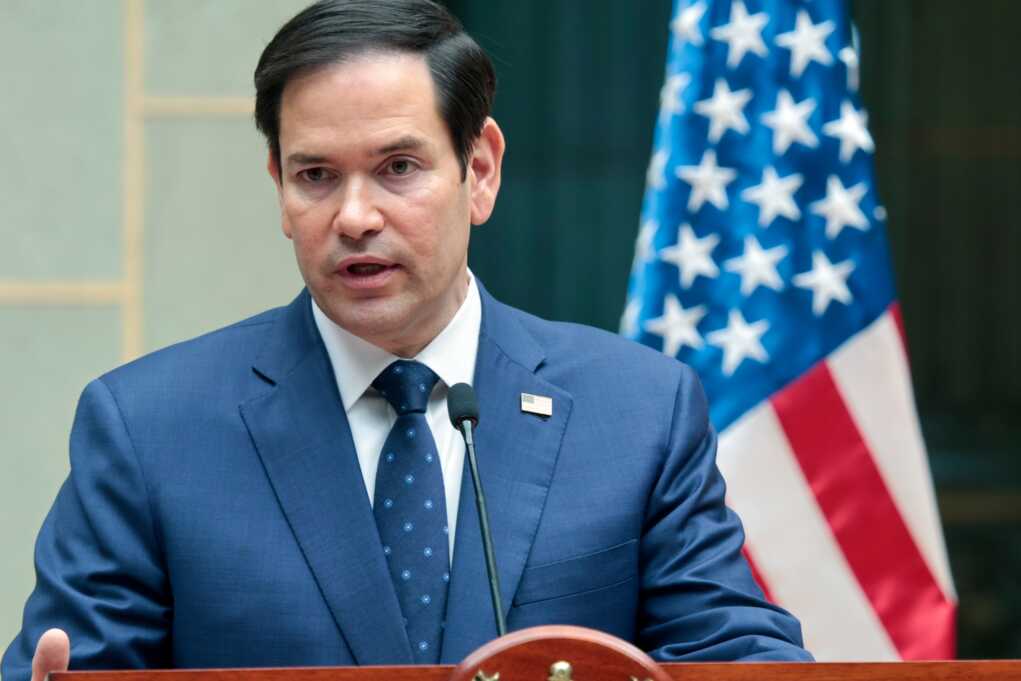
As Secretary of State Marco Rubio quietly locks in deals with more than 20 foreign governments to take illegal immigrants and even deportable non‑citizens, Americans are asking who is really being protected — our sovereignty, or the permanent bureaucracy’s appetite for secret power.[1][5][6]
Story Snapshot
- Rubio says the United States has secured deportation and third‑country acceptance deals with over 20 nations to speed removals and relieve the strained immigration system.[1][5]
- Guatemala has confirmed at least one concrete deportation arrangement, building on prior deals to receive migrants on United States military flights.[3][4]
- Key details of these agreements — country lists, legal texts, limits, and safeguards — remain hidden from the public and Congress.[1][3][6]
- Rubio is also using little‑known immigration powers to target non‑citizens’ political speech, raising serious First Amendment and due‑process concerns.[3][4][6]
Rubio’s 20‑Country Deportation Push Aims to Change the Border Math
Secretary of State Marco Rubio has publicly announced that the United States has “secured agreements” with more than 20 foreign countries to accept illegal immigrants and other deportable non‑citizens, a move he says is designed to speed removals and relieve America’s overwhelmed immigration system.[1][5] According to reporting on his May 2026 remarks, Rubio framed these third‑country deportation arrangements as a direct response to situations where migrants cannot be quickly returned to their home nations because of diplomatic or logistical obstacles beyond the administration’s control.[1]
Rubio’s description aligns with a broader Trump‑era strategy of leaning aggressively on third‑country transfers when direct repatriation is difficult or blocked, using receiving countries as pressure valves for the southern border crisis.[1][6] Earlier accounts of the administration’s approach show officials actively seeking nations willing to accept deportees and, in some cases, detaining foreign nationals in overseas prisons when their home governments refused to take them back promptly.[2][6] Supporters argue this posture finally holds foreign governments accountable and deters illegal crossings by making clear that unlawful entry will lead to swift removal, not catch‑and‑release.[1][2]
Guatemala Deal Offers One Concrete Example, but Details Stay Opaque
Among the more than 20 countries Rubio cites, Guatemala stands out as one of the few publicly documented partners, with Courthouse News reporting that Guatemala granted Rubio a second deportation deal to accept migrants being sent home from the United States.[3] The report notes that under Trump, Guatemala was already receiving migrants flown out on United States military aircraft, underscoring that this cooperation is not theoretical but operational and rooted in past practice, not merely future promises announced on cable news or social media clips.[3][4]
Despite these concrete examples, the public still lacks basic clarity about the full scope of Rubio’s third‑country framework: there is no released list of all participating nations, no published treaty texts, and no clear explanation of whether these arrangements are binding agreements, temporary understandings, or case‑by‑case permissions.[1][3][6] Congressional Democrats have already complained in formal letters that some deportation deals with Central American countries were struck with limited transparency and potentially tied to unrelated aid or policy concessions, raising concerns about accountability and long‑term costs for American taxpayers.[5][6]
Secrecy, Sovereignty, and the Risk of Expansive Executive Power
Critics of the administration’s deportation diplomacy argue that the repeated talk of “agreements” without public documentation lets the State Department exercise sweeping power over where migrants are sent, how they are treated abroad, and what conditions foreign governments must meet, all while voters and many lawmakers remain in the dark.[6] A Senate Foreign Relations Committee report on prior third‑country deportation initiatives described “secret deportation deals” and warned that opaque negotiations can mask human‑rights problems, financial side payments, and policy trade‑offs that never receive full congressional scrutiny or open debate.[6]
Independent watchdogs tracking these third‑country transfers point out that past arrangements sometimes moved migrants into countries with weak institutions or dangerous detention systems, creating both moral and security risks if poorly vetted individuals slip through the cracks abroad and later re‑enter the hemisphere.[6] From a conservative standpoint, the core concern is not the goal of fast deportations — which most border‑security advocates support — but whether an unchecked executive branch, working largely through secret understandings, can entangle the United States in costly, open‑ended commitments that bypass robust legislative oversight while leaving citizens on the hook for consequences down the road.[5][6]
Using Immigration Law to Punish Speech Raises Constitutional Alarms
While Rubio sells his 20‑country deportation network as a fix for illegal immigration, civil‑liberties groups warn that his use of immigration powers is expanding far beyond violent criminals and cartel traffickers.[3][6] The Foundation for Individual Rights and Expression has sued the administration after documenting cases where the State Department moved to deport or revoke visas from legally present non‑citizens based on their political speech, including writing op‑eds, joining campus protests, or expressing pro‑Palestinian views that officials claimed conflicted with United States foreign‑policy interests.[3]
Court filings and public comments show that Rubio has relied on rarely used provisions of the Immigration and Nationality Act that allow the secretary of state to personally deem a non‑citizen “deportable” when he concludes the person’s presence threatens foreign policy, then strip their visa at any time for virtually any reason.[3][4][6] Civil‑liberties advocates argue these provisions, as applied, amount to viewpoint discrimination in violation of the First Amendment, because they give one government official near‑total discretion to punish lawful speech by non‑citizens, with limited judicial review and little transparency for the public that ultimately bears responsibility for how American power is exercised.[3][6]
Sources:
[1] Web – Secretary of State Marco Rubio Announces Deportation and Third-Country …
[2] YouTube – Marco Rubio unveils ambitious plan to deport illegal migrants to 20 …
[3] YouTube – Marco Rubio Says U.S. Secured 20 Deportation Agreements to …
[4] Web – Guatemala gives Rubio a second deportation deal for migrants …
[5] YouTube – Rubio makes deal with Guatemala to accept migrant deportees from …
[6] Web – [PDF] December 23, 2025 The Honorable Marco Rubio Secretary U.S. …