

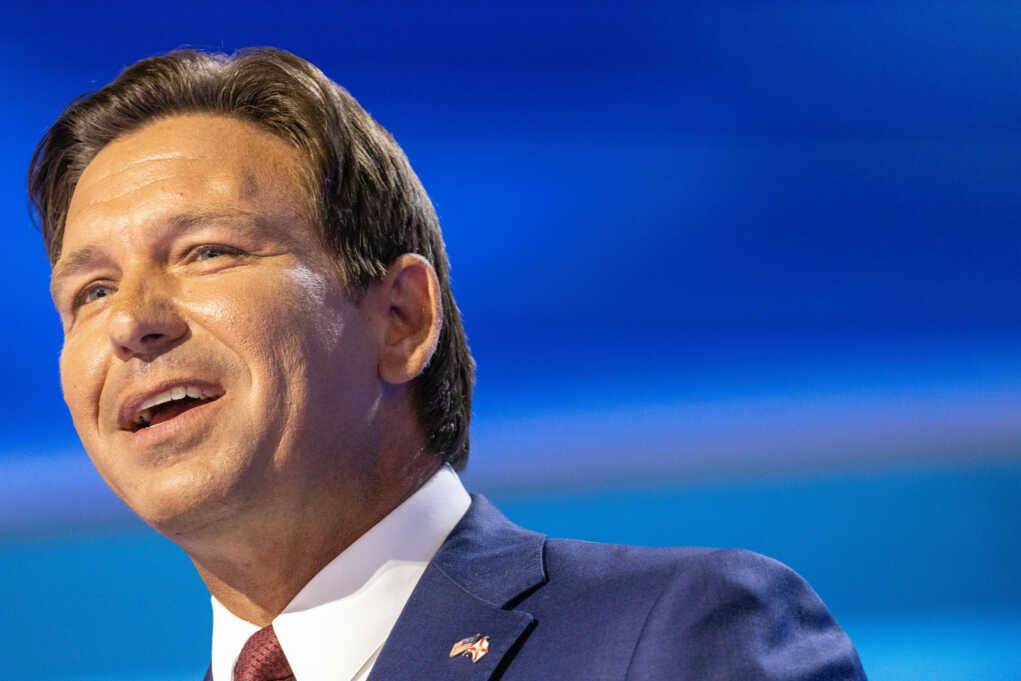
A sweeping proposal from Governor Ron DeSantis could make most longtime Florida homeowners effectively property-tax free—if voters and lawmakers are willing to upend the way local government gets funded.
Story Snapshot
- Governor Ron DeSantis proposes a constitutional amendment to exempt at least the first $250,000 of homestead value from property taxes, with a roadmap to full elimination for most primary residences.
- The plan could wipe out property tax bills for about 60% of homesteaded homeowners at the $250,000 exemption level and up to 92% if the exemption rises to $500,000.
- Local governments warn the phaseout could strip billions from county and city budgets, forcing cuts to services or shifts to fees and other taxes.
- The proposal channels remaining property taxes only to core services like schools, police, and fire, backed by a new state trust fund to support smaller rural communities.
DeSantis Targets Homestead Taxes As Cost-of-Living Relief
Governor Ron DeSantis is pushing what he calls a “historic” tax revolt: a constitutional amendment to make homesteaded property in Florida effectively tax-free over time for most primary homeowners.[2][6] Under his proposal, the homestead exemption would jump from today’s $50,000 level to **$250,000** immediately once voters approve it, shielding that portion of a primary home’s value from local property taxes.[1][2][6] DeSantis frames the move as a direct answer to years of inflation, rising assessments, and doubled local tax collections that have squeezed families on fixed incomes.[4][6]
According to DeSantis, that first-stage $250,000 exemption alone would eliminate annual property tax bills for roughly **60 percent** of Florida homeowners whose primary residence qualifies as a homestead.[1][2][3] He argues that when lawmakers later raise the exemption ceiling to **$500,000**, up to **92 percent** of homesteaded properties would no longer owe local property taxes at all, effectively ending the tax for nearly every middle-class owner-occupier in the state.[1][2][3] The plan must first clear a special legislative session, then win at least 60 percent voter support on the statewide ballot.[2][3][5][6]
How The Phaseout Would Work And Who Benefits Most
State materials and DeSantis’s own briefings describe a phased design rather than an overnight repeal.[3][4][6] The amendment would require the Legislature to enact a **schedule for full elimination** of homestead property taxes after the initial $250,000 exemption kicks in, giving counties and cities time to adjust budgets and revenue structures.[3][6] DeSantis notes that homesteaded homes currently account for about 30 percent of statewide property-tax revenue, which he says makes a phaseout manageable if it is targeted and gradual instead of immediate across the board.[4][6]
Reporting and analysis indicate the biggest winners would be full-time resident homeowners, particularly middle-class families whose home values fall under, or just around, the $250,000–$500,000 range.[1][2][3] By contrast, investment properties, vacation homes, and commercial real estate would still be taxed, keeping those parcels as ongoing revenue sources for local governments even as homesteaded properties are phased down.[3][6][7] DeSantis argues this structure protects Floridians who live and work in the state while shifting a larger share of the burden to non-homestead and business properties that do not qualify for the expanded exemption.[3][6][7]
Guardrails For Core Services And The New State Trust Fund
The governor’s outline emphasizes that remaining local property taxes would be **locked in** for essential services only: public schools, law enforcement, fire protection, and other core functions that most taxpayers broadly support.[2][3] In his remarks, DeSantis specifically criticizes local spending on “divisive” or non-core projects and says his plan would constitutionally bar the use of these remaining property-tax dollars for such priorities.[3] By ring-fencing the revenue, he argues, the state can reassure voters that tax relief will not come at the expense of basic safety or children’s education, even as homestead bills shrink or disappear.[2][3][6]
Governor Ron DeSantis promises to expand Florida’s homestead exemption to $500,000 and eliminate property taxes for 92% of homeowners in the state. Analysts at UBS are skeptical. https://t.co/DvDLM7X9Qs
— FORTUNE (@FortuneMagazine) May 28, 2026
To calm concerns from rural counties and small cities with weaker tax bases, the plan creates a **state trust fund** to provide grants that help local governments maintain police, fire, and school operations as homestead revenues decline.[2][3][6] DeSantis says property-tax collections have nearly doubled since he took office and projects they would hit roughly $84 billion by 2031 without reform, suggesting there is ample growth in the system to support meaningful cuts while still covering essentials.[4][6] However, public materials so far do not spell out in detail how the trust fund will be capitalized year after year or how grant formulas will be set.[6]
Critics Warn Of Local Revenue Shocks And Hidden Tradeoffs
Fiscal analysts and some local leaders are sounding alarms about what happens to county and city budgets when homestead taxes fade out.[6] A legislative analysis summarized by one law firm estimates that phasing out non-school homestead property taxes could reduce funding for counties, cities, and special districts by about **$4.7 billion** in 2027, climbing toward roughly **$18 billion** annually by 2037.[6] Opponents argue that such losses will almost inevitably force either cuts in local services or higher fees and alternative taxes, shifting the burden rather than eliminating it.[6]
Coverage of the emerging debate includes residents and commentators who question how communities will maintain roads, utilities, and local programs once such a large revenue source is narrowed to core services only.[2] Some critics worry rural counties, which have small commercial tax bases and rely heavily on homestead revenue, could be squeezed even with state grants if the trust fund proves too small or politically vulnerable in future budget fights.[2][6] Others highlight the complexity of rules such as a proposed five-year residency requirement before new arrivals can fully benefit, warning that such provisions may create administrative headaches and unequal treatment among homeowners.[3]
Sources:
[1] YouTube – Ron DeSantis Unveils Plan to Eliminate Homestead Property Taxes in …
[2] Web – Florida property tax relief: DeSantis calls special legislative …
[3] Web – Florida Gov. Ron DeSantis Unveils His Plan To Eliminate Property …
[4] Web – Florida Property Tax Elimination: DeSantis Plan 2026
[5] YouTube – DeSantis’ property tax proposal brings more questions
[6] YouTube – Ron DeSantis: My plan to eliminate property taxes for Florida …
[7] Web – Florida House of Representatives Readies Three Property Tax …