
Bolivian courts confirm modern human sacrifices to Pachamama, exposing the dark reality behind romanticized indigenous rituals that demand innocent blood for mining prosperity.
Story Highlights
- 2024 conviction of two men for drugging and burying alive 25-year-old mother Shirley H. R. A. as Pachamama offering in Palca mine.
- InfoVaticana’s March 16, 2026 report aggregates court cases and yatiri testimonies revealing ongoing sacrifices in Bolivia’s mines.
- Practices blend Pachamama worship with “Tío” cults, drugging victims before live burial to “protect” sites.
- Critics challenge ecclesiastical tolerance of these rituals as demonic and anti-Christian, rooted in Inca Capacocha traditions.
Shocking 2024 Conviction in Palca Mine
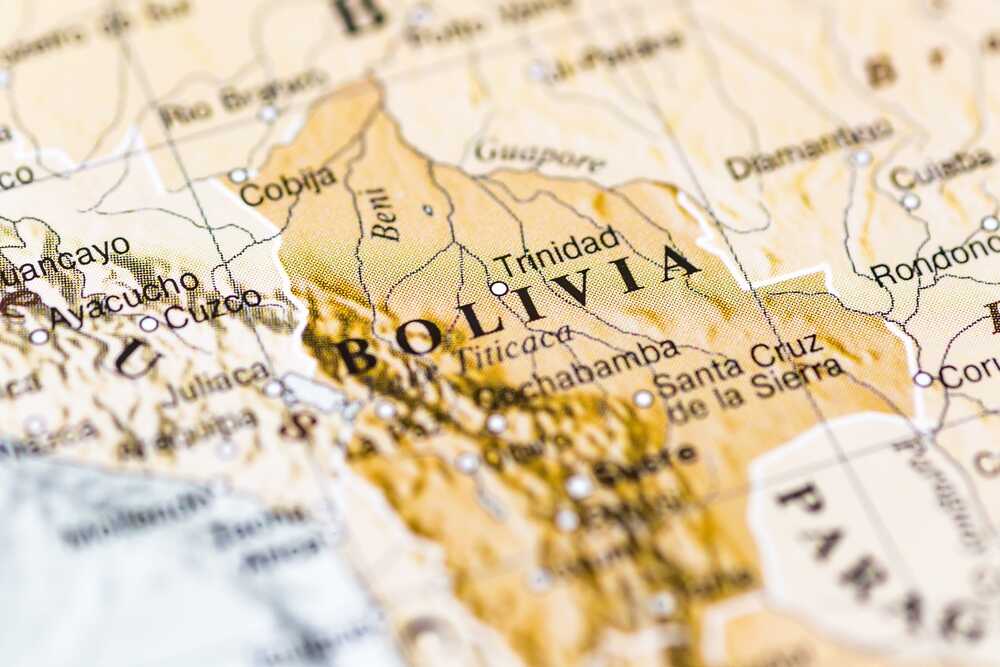
In March 2024, El Deber journalist Ariel Melgar Cabrera reported the Bolivian justice system’s sentencing of two men for the 2021 murder of Shirley H. R. A., a 25-year-old mother from La Paz. The perpetrators deceived her, drugged her with alcohol, and buried her alive in a Palca mine as an offering to Pachamama. Courts confirmed the act sought supernatural favor for mining success. This case underscores how isolated groups invoke ancient deities for personal gain, leaving families devastated.
Historical Roots in Inca Capacocha Rituals
Pachamama, the Andean Earth Mother from pre-Inca and Inca eras, demanded animal and human offerings for fertility and disaster prevention. Capacocha rituals involved drugging children with coca leaves before sacrifice, as seen in the mummified 15-year-old girl found on Argentina’s Ampato volcano. Colonial records from 1621 detail similar child burials. Modern Bolivian acts echo this, blending with Catholic syncretism in mining regions like La Paz, where rituals persist amid construction booms.
Yatiri Testimonies Confirm Ongoing Practices
La Prensa journalist Carmen Challapa documented yatiri ritual specialists admitting human sacrifices continue in mines and constructions. Victims receive alcohol or chicha before burial to bind their souls for site protection, per historian Sayuri Loza. A 2023 Telemundo report detailed prosecutorial probes into mine bodies linked to the “Tío” figure, tied to Pachamama cults. These insiders reveal procedures unchanged from Inca times, prioritizing prosperity over human life.
Perpetrators in the Shirley case embodied this motive, deceiving victims for ritual efficacy. Loza emphasized the degradation of human dignity in such acts.
InfoVaticana Challenges Romanticized Views
On March 16, 2026, InfoVaticana compiled these cases into a dossier, arguing against portraying Pachamama as benign folklore. It frames the cult as bloodthirsty with demonic elements, supported by judicial evidence and media. The report critiques ecclesiastical promotion, especially post-Amazon Synod, calling benign depictions deliberate falsification. No new post-2024 convictions appear, but ongoing investigations balance law enforcement with cultural sensitivities in Andean communities.
Impacts on Communities and Broader Dialogue
Mining operations face disruptions from probes, with potential ritual bans looming. Victims’ families, like Shirley’s children, suffer lasting trauma, while communities endure suspicion. Indigenous defenders distinguish outlier crimes from sacred traditions, urging targeted enforcement. Catholic critics highlight tensions, straining indigenous-Catholic dialogue. Long-term, Bolivia grapples with human rights versus cultural preservation, as global scrutiny rises.
Sources:
The worshippers of Pachamama continue to perform human sacrifices.
Court Rulings, Media Allegations Demand Action Against Pachamama Cult
The Pachamama Scandal Just Got Even Darker