

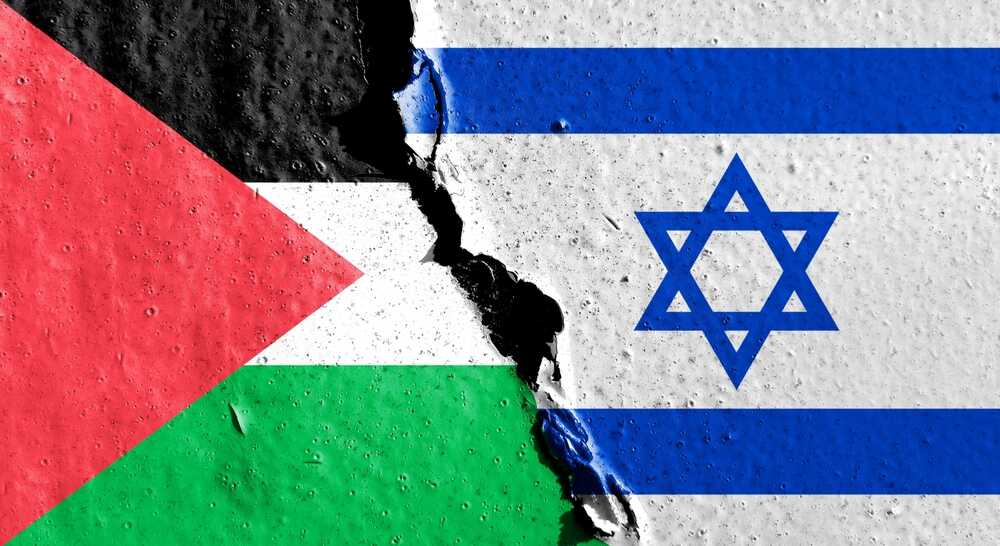
Israel’s cabinet has approved plans to seize Gaza City through a large-scale ground offensive, intensifying global concern over humanitarian fallout and imperiling hostage negotiations.
At a Glance
- Israel’s Security Cabinet authorized a plan to capture Gaza City on August 8, 2025.
- Military estimates suggest the operation may require up to 30,000 troops.
- Civilian evacuations are likely, further worsening humanitarian conditions.
- Egypt and Qatar are leading ceasefire talks tied to hostage releases.
- Germany suspended military export approvals in response to the escalation.
Planned Offensive Raises Stakes
Israel’s leadership has formally endorsed a broad ground operation to retake Gaza City, a pivotal strategic objective in its ongoing conflict with Hamas. Approved by the Security Cabinet, the plan involves the mobilization of tens of thousands of soldiers and is expected to unfold over a two- to three-month timeline. Military planners anticipate forcibly evacuating civilians from affected areas to facilitate the assault.
The move follows months of stalled negotiations and mounting domestic pressure. Retired Israeli General Amir Avivi projected that the operation could be completed within 90 days, framing it as a decisive step in the military’s larger objective of neutralizing Hamas infrastructure embedded in Gaza’s dense urban terrain.
Watch now: Israel’s Cabinet Approves Gaza City Offensive · YouTube
Government statements emphasized the necessity of the offensive, citing intelligence on remaining militant strongholds. However, humanitarian groups and international observers warned that Gaza’s limited access to medical supplies, food, and shelter makes civilian displacement during a ground invasion especially perilous.
Ceasefire Talks in Limbo
While Israel advances military preparations, parallel diplomatic efforts continue. Egypt and Qatar are mediating a ceasefire proposal centered on the phased release of Israeli hostages—both living and deceased—in return for a withdrawal of Israeli forces from Gaza.
The proposal also includes establishing a temporary supervisory body composed of Palestinian and Arab representatives to manage governance in Gaza. Although still under negotiation, the plan avoids long-term political restructuring, focusing instead on immediate humanitarian stabilization and hostage recovery.
U.S. envoy Steve Witkoff briefed hostage families on the evolving dynamics, suggesting Israel may adopt an “all-or-nothing” posture toward resolving both the conflict and the hostage crisis. This signals a potential pivot in Israeli strategy away from incremental negotiations.
Global Reactions and Strategic Risks
Hamas has dismissed the proposed offensive as “not a walk in the park,” asserting it will escalate rather than resolve the conflict. The group’s statement reflects growing confidence that intensified military activity may not yield the political concessions Israel seeks.
Several Western nations responded with alarm. The United Kingdom urged restraint, while Germany took the more concrete step of halting export approvals for military equipment that could be used in Gaza operations. German Chancellor Friedrich Merz directly cited the new offensive as a turning point in Berlin’s stance, indicating possible fractures in Israel’s diplomatic alliances.
As humanitarian conditions deteriorate and diplomatic efforts falter, the coming weeks may define not only the trajectory of the conflict but the viability of a negotiated endgame. Analysts caution that military gains could undermine broader strategic objectives if they alienate key international partners or further endanger civilians and hostages alike.
Sources