
Voter trust in Republicans has overtaken Democrats on critical election issues, reshaping confidence in both parties and altering the political battleground.
At a Glance
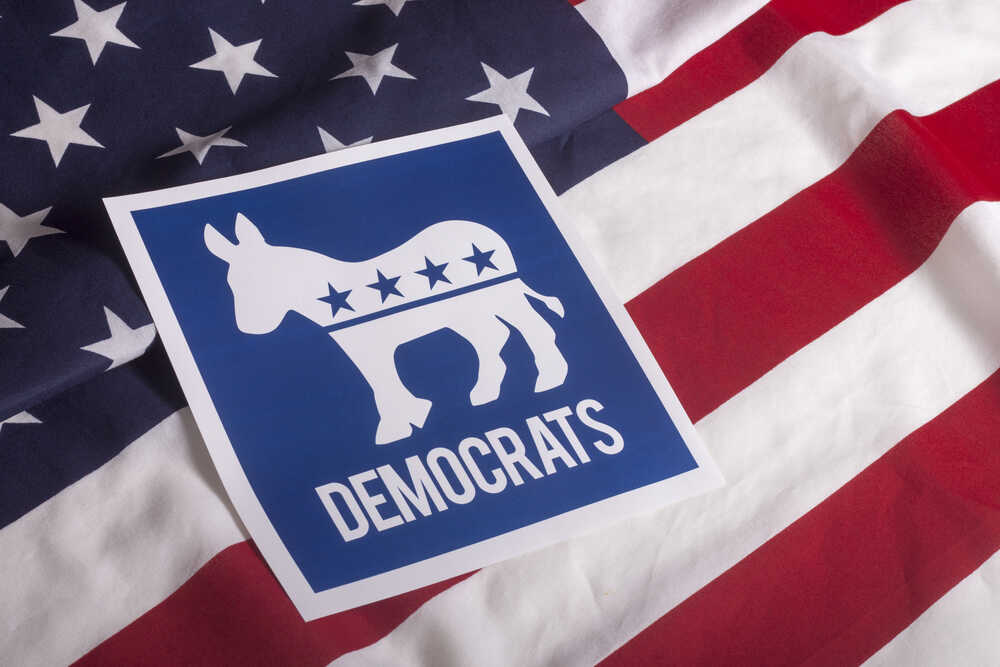
- The Democratic Party’s favorability has fallen to just 33 %, while 63 % view it unfavorably—the lowest in 35 years of national polling
- Republicans outperform Democrats on trust for inflation, immigration, tariffs, foreign policy, and economic issues
- President Trump holds a 46 % job approval rating; Democrats carry a net unfavorability of –30 points compared to Republicans at –11
- Democrats maintain a narrow 3‑point lead in generic congressional preference (46 % to 43 %)
- The data is based on a national poll of 1,500 registered voters, with a ±2.5 % margin of error
Trust Realignment Across Key Issues
A bipartisan poll confirms a stark shift in voter perception: Democrats now contend with historically low favorability, while Republicans—despite policy disapproval—remain the preferred party for managing major election-deciding issues. Inflation, deportation strategy, trade tariffs, and foreign policy favorability tilt toward GOP leadership by double-digit margins. Democrats retain trust only on healthcare and vaccine policy.
President Trump’s approval rating has plateaued at 46 %, held up by core Republican support but facing broader disapproval from independents and swing voters. GOP party favorability stands stronger than Democrats’, signaling resilient base confidence despite leadership controversies.
Watch a report: This Trump Poll Reveals a Number That Should ‘Scare’ Democrats
Midterm Implications and Strategic Outlook
Republican strategists are framing the poll as a pivotal advantage: tougher messaging and waning Democratic credibility have created opportunity for GOP expansion in key districts. With only a slender lead in congressional preference, Democrats appear increasingly vulnerable to shifts in turnout and messaging effectiveness.
Looking ahead to the 2026 midterms, conventional party dynamics have shifted. Democrats must quickly rebuild economic messaging and voter trust, while Republicans may leverage their competence edge on top-tier issues to reinforce or widen gains in voter alignment.