
North Korea’s Missile Advancement: A Growing ThreatNorth Korea’s latest missile test signals a substantial leap in its nuclear capabilities, posing a direct threat to U.S. security.
Story Highlights
- North Korea successfully tests a solid-fuel rocket engine for ICBMs.
- The Hwasong-20 ICBM, utilizing this engine, threatens U.S. mainland security.
- Kim Jong Un’s confidence grows with backing from China and Russia.
North Korea’s Technological Leap in Missile Development
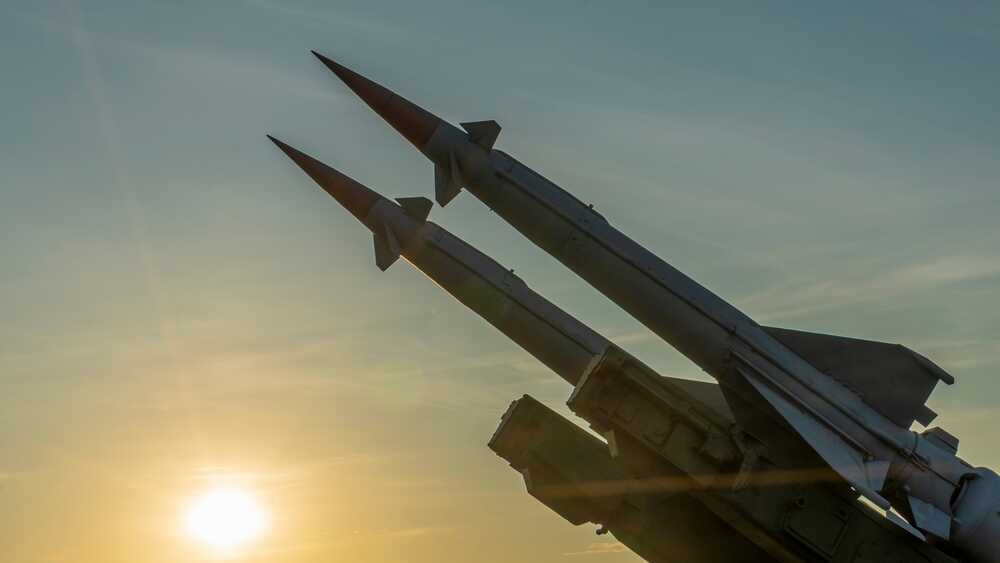
On September 8, 2025, North Korean leader Kim Jong Un supervised the final ground test of a new solid-fuel rocket engine designed for intercontinental ballistic missiles (ICBMs), marking a significant milestone in North Korea’s missile program. The engine, crafted with carbon-fiber composite materials, is intended for the Hwasong-20 ICBM, which poses an increased threat to the U.S. mainland due to its enhanced mobility and rapid launch capabilities.
Watch: N. Korea’s Next-Gen ICBM
This development comes amid heightened tensions in the region and increasing cooperation between North Korea, China, and Russia. The shift to solid-fuel technology represents a strategic enhancement in North Korea’s missile arsenal, making these missiles harder to detect and intercept, therefore complicating missile defense strategies for the U.S. and its allies.
Strategic Implications for the U.S. and Allies
The test marks the completion of the engine’s development cycle, signaling the potential for imminent deployment or a test-launch of the new ICBM. This advancement significantly boosts North Korea’s deterrence capability, challenging the effectiveness of existing U.S. and allied defense systems.
The U.S., South Korea, and Japan, as primary targets, are likely to respond with defensive measures, while diplomatic efforts may become more strained.
Kim Jong Un’s recent diplomatic engagements with China and Russia suggest that North Korea is receiving strategic backing, which could embolden its military pursuits further. The international community, particularly the U.S. and its allies, may need to reassess their approach to North Korea’s growing military capabilities.
Expert Opinions and Future Outlook
Experts indicate that North Korea’s focus on solid-fuel ICBMs demonstrates significant technological advancement, enhancing missile range and survivability. Analysts predict a full ICBM test launch could occur before North Korea’s ruling party congress in 2026, showcasing its military strength and technological prowess. This development could potentiate an arms race in Northeast Asia, urging the U.S. to accelerate its missile defense initiatives.
The broader implications include increased regional tensions and the potential for new sanctions on North Korea. The strategic landscape in Northeast Asia is likely to become more polarized, posing challenges for diplomatic engagement and stability.
Sources:
North Korea’s Kim Oversees ICBM Engine Test
Emboldened Kim Jong Un Oversees Test
Kim Jong Oversees Test of New Rocket Engine
Kim Jong Un Oversees ICBM Engine Test