

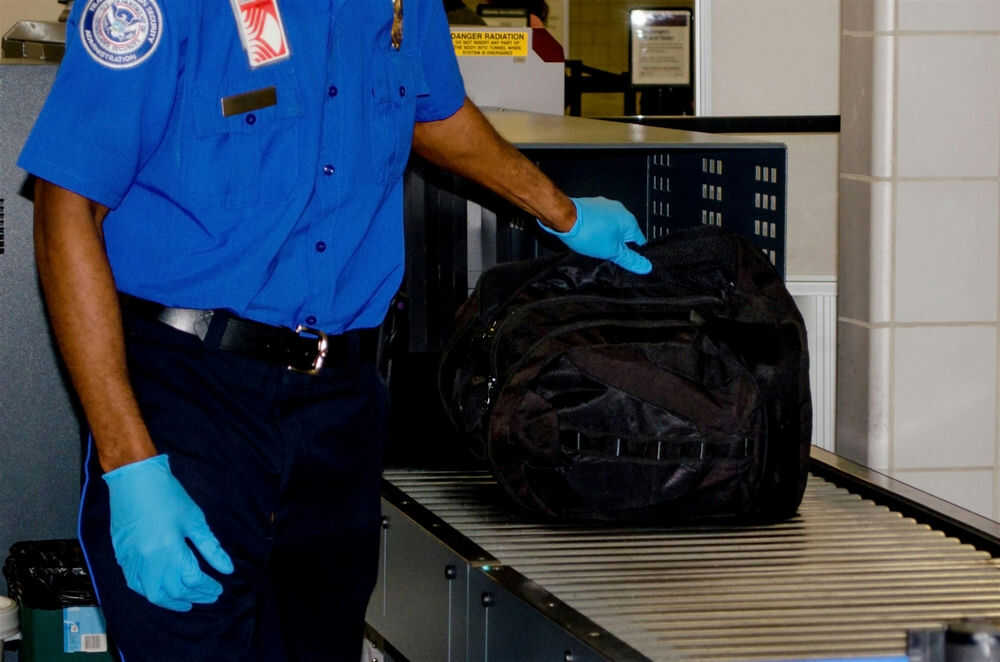
Washington’s shutdown chaos is now pulling immigration enforcement into America’s airports—raising fresh questions about security, civil liberties, and whether this is a short-term fix or a new normal.
Quick Take
- President Trump ordered ICE agents to deploy to U.S. airports to support TSA operations during the DHS funding shutdown and long screening lines.
- The plan shifts ICE into roles like perimeter security, entry/exit oversight, and some ID-related functions, while TSA focuses on screening checkpoints.
- Trump and DHS officials emphasized ICE agents can make immigration arrests at airports, even as officials said the mission is support—not screening.
- Democrats, civil-liberties groups, and the TSA union warned the move could create security risks and intensify fear among lawful travelers and immigrant communities.
Shutdown Pressure Pushed DHS Into a Fast, Unusual Deployment
President Trump’s directive emerged from a partial government shutdown that began Feb. 14, 2026, centered on DHS funding. With TSA employees going unpaid and reports of staffing strain—including hundreds of quits—airports saw worsening delays and long lines. DHS leadership looked to a workforce that remained funded: ICE. Administration officials framed the move as a practical reallocation inside DHS while Congress remained deadlocked over funding conditions and enforcement-related reforms.
Trump previewed the step in Truth Social posts on March 21, escalating pressure on Democrats by tying airport slowdowns directly to the standoff. By March 22, officials confirmed ICE would deploy starting Monday, March 23. Reporting described DHS officials scrambling to implement a “work-in-progress” plan across multiple airports. Video and on-the-ground accounts showed ICE agents positioned at airport entry and exit points, reinforcing that this was not a hypothetical threat but an active operational shift.
What ICE Is (and Isn’t) Being Asked to Do at Airports
White House border czar Tom Homan said ICE agents would not perform TSA screening functions that require specialized training, such as operating X-ray equipment. Instead, ICE would handle roles like site security and controlling access points so TSA officers could be reassigned to screening lanes. That distinction matters: the administration described this as a staffing triage measure inside DHS, not a permanent restructuring of airport screening responsibilities.
At the same time, Trump publicly underscored that ICE retains authority to arrest illegal entrants, including at airports. That dual message—“they’re there to help” paired with “they can arrest”—is a major reason the deployment became politically combustible. The research available does not confirm any specific arrest tied to this deployment during the early days described, even though multiple sources note the legal authority exists under immigration law and routine enforcement can occur at airports.
Critics Call It Risky; Supporters See a Stopgap to Keep Airports Moving
Democratic leaders and allied groups portrayed the deployment as chaotic and potentially dangerous, arguing ICE agents are not trained to replace TSA’s aviation-security mission. The TSA union said it learned of the plan through media reporting and warned it could create security vulnerabilities while ignoring the core issue: unpaid TSA personnel and staffing losses. Civil-liberties advocates also criticized the presence of armed immigration agents in domestic travel spaces, arguing it could chill routine travel and create fear beyond individuals actually subject to removal.
DHS and the White House emphasized operational necessity, pointing to a basic management problem created by the shutdown: one agency component (TSA) strained and unpaid, another (ICE) funded and available. Airlines and airports, facing real economic damage from delays, urged a funding resolution. Politifact’s review of the situation also highlighted the funding and pay mechanics: TSA workers were affected by the shutdown in ways ICE agents were not, making ICE a readily deployable option even as it raised bigger questions about mission creep.
The Bigger Conservative Question: Enforcement Tools vs. Everyday Liberty
For constitutional conservatives, the key tension is not whether border enforcement matters—it does—but whether emergency political brinkmanship should normalize immigration enforcement in spaces used by ordinary Americans for routine domestic travel. Airports already involve heavy federal touchpoints, and adding a parallel law-enforcement presence tied to immigration status risks blurring lines between travel security and civil enforcement. If the shutdown is the root problem, the clean fix is restoring funding and pay—not expanding federal policing footprints.
Trump Sends ICE to Help at Airports – on Cue, the Left Peddles an ICE Arrest at an Airporthttps://t.co/dPS64UVXn2
— RedState (@RedState) March 24, 2026
The research also flags an important limitation: despite online narratives claiming “the Left” is peddling a specific airport arrest story on cue, the provided source set does not establish a confirmed arrest connected to this deployment during the March 23 rollout window. What is documented is the political messaging on both sides, the visible ICE presence at airports, and the underlying enforcement authority. We should separate verified operational facts from viral claims until hard details are publicly confirmed.
Sources:
Trump border advisor says ICE to deploy to U.S. airports Monday
TSA, ICE, DHS shutdown funding and who is paid: Trump airport move explained