

A fatal shooting at Brown University, committed by a Brazilian national on an H-1B visa, has ripped through the quiet of the academic community, killing an Indian graduate student and ending with the suspect’s self-inflicted death. This event has ignited a complex national debate, scrutinizing campus safety measures, the mental health support available to international students, and the adequacy of current immigration screening processes.
Story Highlights
- Claudio Neves Valente was identified as the suspect in the Brown University shooting.
- Suspect, a Brazilian national, died from a self-inflicted gunshot wound near MIT.
- Incident sparks debate on mental health and international student policies.
- Investigation ongoing; no clear motive established yet.
Tragedy Strikes Brown University
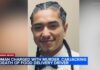
On December 17, 2025, Claudio Neves Valente, a 40-year-old Brazilian national, committed a fatal shooting at Brown University, resulting in the death of Sunil Kumar Tripathi, a 22-year-old graduate student from India. The event unfolded near Brown’s campus in Providence, Rhode Island, shattering the peace of the academic community and raising alarms about campus safety and foreign student policies.
Following the tragic incident, Valente fled the scene, leading authorities on a cross-state pursuit that ended with his own demise near MIT in Cambridge, Massachusetts. This rapid sequence of events, involving a suspect with an H-1B visa and no prior U.S. criminal record, has intensified discussions about the adequacy of current immigration screening processes and the mental health support provided to international students.
Suspect in Brown University mass shooting,Claudio Neves Valente, has been found dead from a self-inflicted gunshot#KBCniYetu ^KG pic.twitter.com/KBtpUfiO6b
— KBC Channel 1 News (@KBCChannel1) December 19, 2025
Manifesto Raises More Questions
Authorities discovered a semi-automatic handgun and writings resembling a manifesto in Valente’s vehicle, yet the motives behind his actions remain unclear. Initial investigations suggest a potential personal grievance rather than an ideological motive, aligning with patterns observed in past incidents involving individuals with immigrant backgrounds. These findings prompt a closer look at the intersection of immigration, mental health, and campus security policies.
The manifesto mentioned “academic elitism,” but failed to provide a coherent explanation for the attack, leaving investigators and the public grappling with unanswered questions. The lack of any direct connection between Valente and his victim or the institutions involved adds to the mystery, underscoring the complexities surrounding personal grievances and societal pressures.
Impact and Ongoing Repercussions
The incident has triggered a heightened state of alert across Ivy League campuses, with institutions like Brown University ramping up counseling services and nighttime security patrols. The broader implications extend to potential scrutiny on H-1B visa holders, as policymakers reevaluate immigration vetting procedures to prevent similar tragedies.
Political figures and community leaders are calling for balanced discourse, emphasizing the need to address mental health resources alongside immigration policies. This dual focus aims to safeguard campus environments while respecting the contributions of international students to academic and cultural diversity.
Watch the report: Here’s the latest on Claudio Neves Valente and the Brown University, MIT professor shootings
Sources:
How a Reddit post blew open the Brown University shooting case | PBS News