

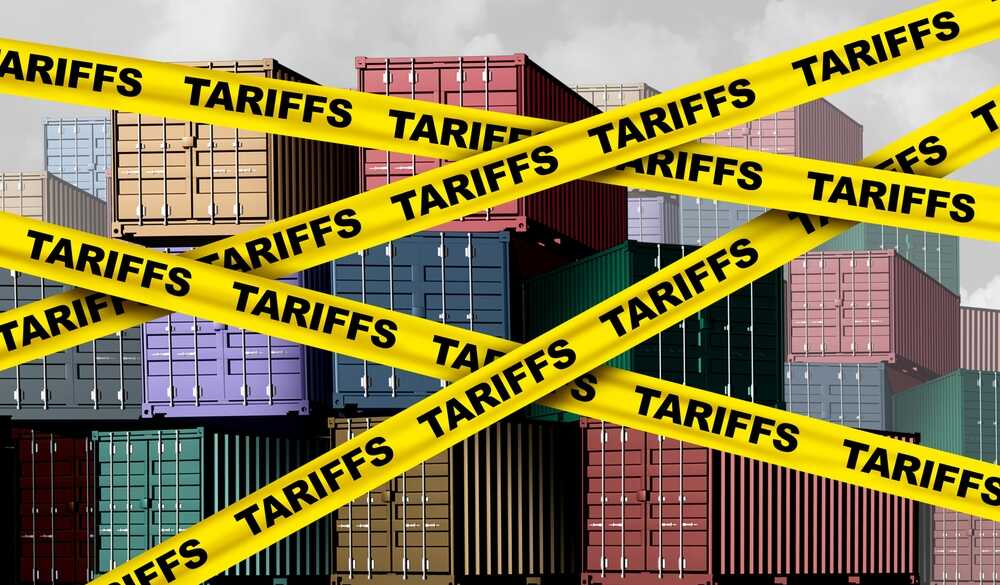
A sudden U.S.-EU trade agreement ignited a brief market rally, but investors are now bracing for a potential crash.
At a Glance
- S&P 500 and Nasdaq hit record highs following the trade deal
- Dow Jones Industrial Average opened higher but quickly reversed gains
- Tariff rollback led to a 9.5% surge in the S&P 500 on July 27
- Treasury yields spiked amid a bond market sell-off
- Analysts warn of a potential market bubble due to concentrated tech stock gains
Tariff Relief Sparks Temporary Surge
On July 27, President Trump announced a tariff reduction to 15% on European Union goods, down from the previously threatened 20%. The agreement also includes a massive $600 billion EU investment into the U.S. economy and a commitment for $750 billion in energy purchases over the next decade. This news initially sent shockwaves of optimism through the stock markets, with the S&P 500 climbing to an intraday record high of 6,388.64 and the Nasdaq Composite reaching 21,176.40, setting fresh benchmarks for U.S. equities.
Investors flooded back into growth and technology stocks, driving a nearly 9.5% surge in the S&P 500 within a single day, marking one of the fastest rally spurts seen this year. The Dow Jones Industrial Average also opened higher on the news, briefly surpassing 39,500 points before retreating as volatility crept back into trading floors.
Watch a video report: Opening Bell on Wall Street
Bond Market Panic and Investor Unease
Despite the early enthusiasm in stocks, bond markets told a more cautious story. The 10-year U.S. Treasury yield surged to 4.407%, indicating growing anxiety among fixed-income investors about inflation and fiscal discipline. This spike in yields often signals rising borrowing costs and a potential slowdown in economic growth, which unsettled equity markets as traders questioned the sustainability of the rally.
The bond sell-off was driven by fears that the new EU investment deal, while beneficial in the short term, could exacerbate budget deficits or trigger inflationary pressures. This concern reverberated through financial circles, sparking talks of a possible tightening in monetary policy sooner than anticipated.
Analysts Sound the Alarm on Market Risks
Market analysts and economists quickly cautioned that the rapid gains may mask underlying vulnerabilities. Apollo Global Management’s chief economist warned that the S&P 500’s impressive returns are “extremely concentrated in a small group of tech stocks,” pointing to signs of a bubble forming in the sector. This concentration risks destabilizing the broader market if these few stocks face corrections or profit-taking.
Other experts highlighted that while tariff relief and foreign investment provide a short-term boost, structural challenges like global supply chain disruptions, rising interest rates, and geopolitical uncertainties remain unaddressed. These factors could pressure corporate earnings and investor confidence in the coming months.
Conclusion: A Cautious Road Ahead
The U.S.-EU tariff rollback and investment pact have temporarily energized stock markets, but the broader financial landscape remains uncertain. Investors should remain vigilant as volatility could return, driven by macroeconomic risks and concentrated sector exposure. The Federal Reserve’s next moves on interest rates will be closely watched for clues on how this fragile optimism will hold up.
This market episode underscores how quickly sentiment can shift between euphoria and fear in an increasingly interconnected global economy.