

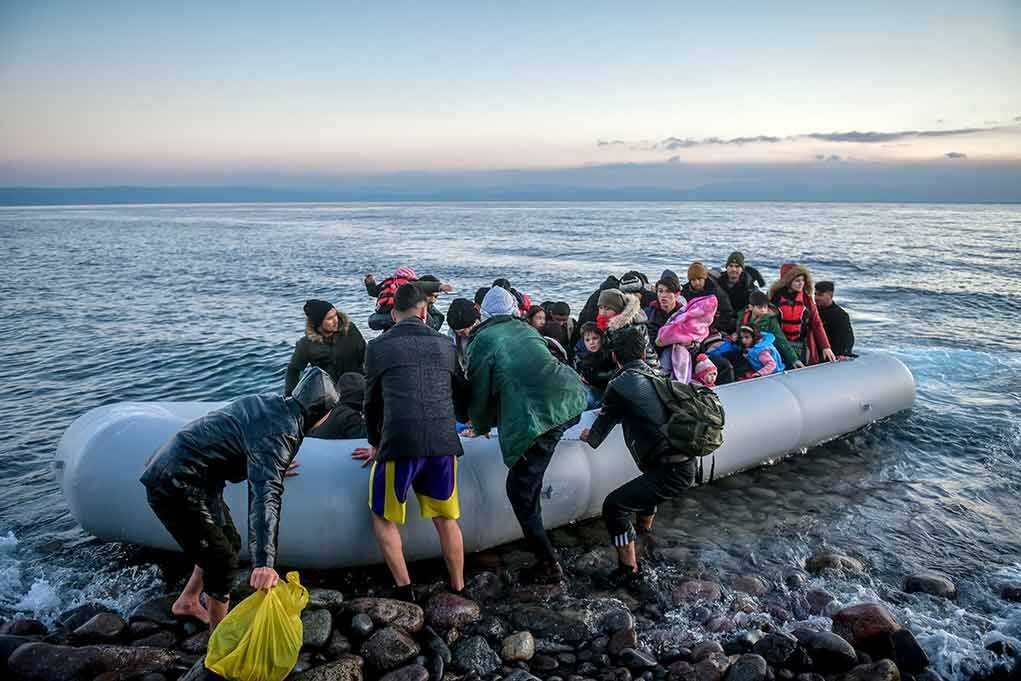
Dozens were stranded on a French beach after overcrowded dinghies failed to launch for a risky English Channel crossing, underscoring a broken system that keeps feeding smugglers and endangering lives.
Story Highlights
- Video shows migrants left behind after failed beach launch in northern France
- French police on shore and patrol boats moved to block departures
- Deaths and injuries have mounted in similar Channel attempts this year
- Enforcement disrupts launches, but smugglers adapt and flows continue
What Happened On The Beach
Reuters captured scenes of migrants rushing to board packed dinghies on a northern France beach on September 6. French police on foot, backed by patrol boats, moved in. A speedboat tried to block any launch. The crowd thinned as attempts faltered, leaving many people stranded on the sand. The video reflects the tense pattern on this coast: quick launches, rapid police response, and chaos as smugglers push people into unsafe boats with little gear or skill for the rough Channel waters.
French responders and police have faced similar surges before. Regional officials and rescue teams have recorded repeated fatalities and injuries tied to failed crossings or boats driven back ashore by wind, currents, or engine failure. Recent reporting includes multiple deaths off northern France and mass rescues when small engines cut out or hulls deflated. The cycle is clear: people gather, smugglers stage a launch, authorities intervene, and some are left exposed on cold, open beaches when plans fall apart.
Rising Human Cost In The Channel
This year’s toll shows the danger. Local authorities reported four deaths near Equihen-Plage in April after powerful currents swept people away. Emergency crews treated hypothermia and pulled dozens to safety. In another case, a small craft ran aground in northern France, killing two women and injuring sixteen, including burn victims, after a failed run toward Britain. These events underline how fragile rubber boats and cheap engines turn rough seas into deadly traps for desperate people.
Past inquiries show risk spikes when boats are overloaded and basic safety gear is missing. Investigators have found that small boats often carry far more people than they should and lack radios, lights, or lifejackets. That creates chaos when weather shifts or engines fail in busy shipping lanes. A United Kingdom inquiry into a mass fatality concluded that lives were lost in part due to weak coordination and gaps in response, reinforcing why prevention at the beach matters most to save lives.
Enforcement Disruptions And Why They Fall Short
European Union records and parliamentary reports show how the route shifted over years, from trucks and ferries to small boats since 2018. This method is simple, fast, and hard to stop at scale. French and British cooperation has disrupted many launches, yet smugglers change tactics, move along the coast, and keep recruiting. The result is a stubborn flow across seasons despite drones, patrol boats, more fencing, and more officers—proof that deterrence alone has not ended the crossings.
Some data points do show short-term drops after new measures, but the broader pattern stays. When one launch fails, another follows on a different tide. That reality was visible again in the Reuters footage: enforcement blocked boats, and people were left behind on shore. Without stronger pressure on smuggling networks, faster processing, and clear, enforced rules, each “win” on the beach risks turning into the next scramble down the coast, with the same risks and the same human costs.
Why This Matters To American Readers
American conservatives know this playbook. When borders look weak, cartels and smugglers win, and families pay the price. Europe’s Channel crisis shows what happens when policy sends mixed signals and fails to close loopholes. Deterrence must be real, visible, and consistent. Laws must be enforced. If not, more people gamble with their lives and more cash flows to criminal networks. The French beach today looks like the border chaos many Americans refuse to accept at home.