

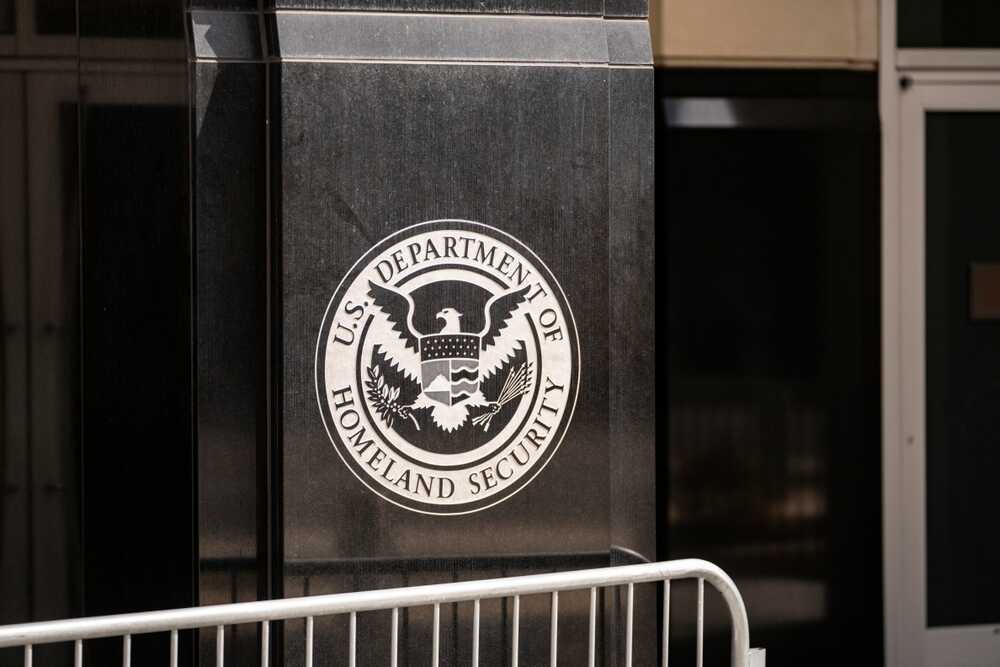
The Department of Homeland Security (DHS) is set to introduce a new policy requiring individuals granted humanitarian parole or re-parole to pay a $1,000 fee, effective October 16, 2025. This measure, mandated by the H.R. 1 Reconciliation Bill, represents a significant change in the financial management of America’s immigration system.
Story Highlights
- A new $1,000 fee will be imposed on individuals approved for humanitarian parole or re-parole.
- The fee impacts migrants and asylum seekers granted humanitarian parole.
- This policy will be implemented across the U.S. immigration system.
- The fee is mandated by congressional legislation to offset administrative costs and reduce taxpayer burden.
- Concerns have been raised about potential barriers for vulnerable migrants, while supporters emphasize fiscal responsibility.
- Further clarification on exceptions and inflation adjustments is expected from DHS and USCIS.
Historic Fee Signals New Direction for U.S. Humanitarian Parole
The Department of Homeland Security will enforce a new $1,000 fee for migrants granted humanitarian parole or re-parole, beginning October 16, 2025. This action, directed by the H.R. 1 Reconciliation Bill, marks a shift in the approach to managing the costs associated with the U.S. immigration system. Historically, humanitarian parole cases, often involving individuals seeking refuge from conflict, disaster, or persecution, have largely been exempt from specific fees.
This policy is being introduced amidst an increase in humanitarian parole requests, congressional examination of immigration expenditures, and calls for stricter border controls. The $1,000 charge will be required after parole or re-parole approval, not during the application phase, and is intended to cover administrative expenses and lessen the financial impact on taxpayers. DHS and USCIS have indicated that details regarding exceptions and future inflation adjustments will be provided in subsequent Federal Register notices.
Closing all of the loopholes. 💪
DHS to impose $1K fee for migrants granted humanitarian parole https://t.co/x8luZLqRhZ #FoxNews
— Preliator 🇺🇸 (@Preliator01) October 17, 2025
Impact on Affected Individuals and Systemic Implications
Migrants and asylum seekers, many of whom have limited financial resources, will encounter new financial challenges due to this regulation. For families escaping urgent crises, this fee could present a considerable obstacle to achieving safety and stability. Legal advocacy organizations, such as NPZ Law Group, have cautioned that the inability to pay could lead to parole denials, potentially separating families and increasing risks for vulnerable individuals. The policy also suggests a broader trend of transferring immigration costs directly to applicants, prompting discussions about traditional humanitarian values and the role of the United States as a safe haven.
Proponents of the fee argue that it is a necessary measure for fiscal discipline and sustainability, aiming to ensure that U.S. taxpayers do not bear the full cost of expanding immigration programs. This initiative aligns with broader efforts by Congress to manage government spending and enhance border security. Critics, however, contend that the fee may hinder access to relief for those most in need and could result in fewer applications or an increase in undocumented individuals due to financial constraints.
Potential Legal and Political Ramifications
The introduction of this fee, which is a new development in American immigration history, may lead to legal challenges and calls for policy revisions. Advocacy groups are closely observing these developments, with some anticipating litigation to pursue exceptions or waivers for the most vulnerable populations. DHS and USCIS maintain that the rule fulfills legislative requirements and is crucial for program integrity, but comprehensive details on exceptions or inflation adjustments have not yet been released, creating uncertainty for affected communities.
From a political standpoint, many conservatives view this policy as a fulfillment of commitments to restore order and accountability to U.S. borders. Conversely, opponents perceive the fee as a departure from fundamental American principles of compassion and refuge. As further details emerge, stakeholders within the immigration system are preparing for a new phase of more stringent, fee-based access to humanitarian relief.
Watch the report: $1,000 Parole Fee: Required by H.R. 1 — effective Oct. 16, 2025 – YouTube
Sources:
- Immigration Parole Fee Required by H.R. 1 Reconciliation Bill (Federal Register)
- $1,000 Parole Fee Effective October 2025 (Manifest Law)
- USCIS Implements New $1,000 Immigration Parole Fee Under H.R. 1 (NPZ Law Group)
- DHS to charge migrants granted humanitarian parole $1K fee.