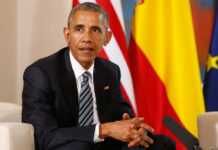

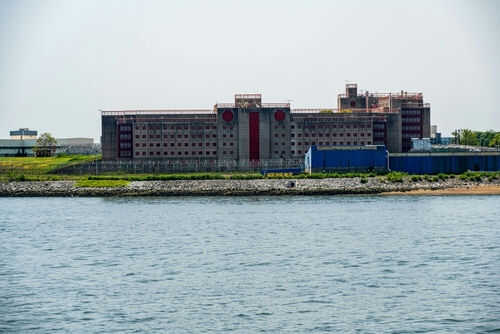
New York City’s mayor made time to break Ramadan fast with Rikers detainees—yet the people harmed by alleged crimes never came up in the same spotlight.
Story Snapshot
- NYC Mayor Zohran Mamdani visited the Rikers Island jail complex for Iftar, praying and breaking the Ramadan fast with Muslim detainees awaiting trial and Muslim corrections officers.
- Reporters described the visit as unprecedented for a sitting New York City mayor, and Mamdani called it one of his most meaningful nights in office.
- The detainees interviewed expressed gratitude for being seen and respected, while the coverage offered little detail about the cases that put them behind bars.
- The event also landed in a politically charged moment after a social-media attack from Sen. Tommy Tuberville that Mamdani labeled bigoted.
What Happened at Rikers: A Mayor’s Iftar Visit With Pre-Trial Detainees
New York City Mayor Zohran Mamdani went to the Rikers Island jail complex on a Monday evening during Ramadan to join Muslim detainees and Muslim corrections officers for Iftar, the meal that breaks the daily fast. Reporting describes heavy security as he entered, prayer mats laid out, and a shared worship setting where he prayed alongside the men. The visit included a Quran lesson and about an hour of conversation and handshakes.
Mamdani framed the evening as personally significant and rooted in his identity, saying it was among the most meaningful nights he has had as mayor and emphasizing “just being a Muslim New Yorker.” Detainees interviewed—kept anonymous under jail rules—said they felt “ecstatic” and treated with dignity, describing the mayor’s presence as a sign that they were not being looked down on. The available reporting does not provide details about what the men are accused of.
How the Coverage Framed It: Inclusion, Faith, and a Historic “First”
The reporting presented the visit as a first-of-its-kind moment: a New York City mayor celebrating Ramadan inside Rikers. That framing matters because it places the focus on recognition and cultural inclusion rather than the jail’s core function—holding individuals accused of crimes, many of them awaiting trial. Supporters see a faith leader meeting people where they are; critics may see a photo-op that risks elevating suspects while the public remains in the dark about victims and allegations.
Mamdani’s broader Ramadan schedule also adds context. The same set of reports described him hosting public Iftar dinners as part of an effort to put Muslim observance “at the center” of city cultural life. The next day, he also appeared at New York’s St. Patrick’s Day parade and attended Catholic Mass, signaling an interfaith posture. None indicates policy changes tied to the Rikers visit, so claims about direct legal or correctional impacts would be premature.
The Missing Piece: Where Victims and Public Safety Fit Into the Story
For New Yorkers who are exhausted by disorder and rising frustration with institutions that often appear to prioritize symbolism over accountability, one question hangs over this story: what about the victims? The sources available focus on the mayor’s fellowship with detainees and the significance of a Muslim mayor publicly practicing his faith. They do not include victim perspectives, details of alleged offenses, or how the administration balances empathy for detainees with justice for those harmed.
That gap doesn’t prove the mayor ignored victims in his broader work, but it does show a recurring media and political pattern: humanizing the accused while leaving the public with limited information about the people who suffered. Because many Rikers detainees are awaiting trial, due process applies and guilt is not established. At the same time, communities expect city leadership to communicate clearly about safety, consequences, and support for victims—especially when a high-profile event spotlights the jailed population.
Political Crosscurrents: Backlash, Rhetoric, and What’s Verifiable
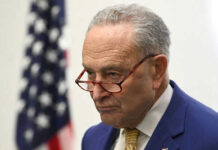
The Rikers Iftar took place amid heightened political tension. The reporting notes Mamdani has taken positions on foreign-policy-related issues, including advocating for Palestinian rights and opposing a new war in Iran, which has drawn criticism. It also cites a post by Sen. Tommy Tuberville that juxtaposed Mamdani’s Ramadan imagery with 9/11-related visuals; Mamdani called the post bigoted. The sources confirm the controversy but provide limited additional documentation about follow-on actions or official responses.
What can be said from the available facts is straightforward: the mayor’s religious observance inside a jail is now a political Rorschach test, with supporters calling it inclusion and critics questioning priorities. With no reported follow-up, the most responsible conclusion is narrow: this was a symbolic, unprecedented visit that generated warm reactions from participants, sparked partisan blowback online, and left unanswered questions about victims, public safety messaging, and how city leadership plans to address the real harms tied to criminal allegations.
Sources:
New York City mayor celebrates Ramadan with inmates at Rikers Island
New York City mayor celebrates Ramadan with inmates at Rikers Island