

The Orthodox Jewish Chamber of Commerce CEO accused major U.S. outlets of spreading Hamas propaganda, escalating tensions over media coverage of the Gaza conflict.
At a Glance
- Duvi Honig accused The New York Times and CNN of bias favoring Hamas
- He warned media narratives endanger civilians and journalists
- The Orthodox Jewish Chamber of Commerce has long defended Israel
- Pro-Israel groups have criticized U.S. media since October 2023
- Tensions may erode trust in mainstream news among key communities
Honig’s Accusations
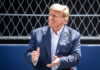
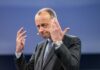
In a recent interview, Duvi Honig, CEO of the Orthodox Jewish Chamber of Commerce (OJC), directly criticized U.S. media outlets including CNN and The New York Times. He accused them of amplifying narratives that align with Hamas, which he described as a form of propaganda harmful to Israel. Honig argued that this type of coverage not only delegitimizes Israel but also places civilians and journalists at greater risk in conflict zones.
Watch now: Duvi Honig Criticizes CNN’s Coverage · Twitter
— The Jeff Katz Show (@jeffkatzshow) August 20, 2025
His remarks come amid the latest round of violence between Israel and Hamas, where competing media accounts shape international public perception. According to Honig, framing the conflict in ways that downplay Hamas’s role fosters anti-Israel sentiment globally. This criticism reflects broader concerns among pro-Israel advocates who accuse American media of failing to adequately highlight the actions of militant groups.
Chamber Background
The Orthodox Jewish Chamber of Commerce was founded by Honig in 2008 as a response to the financial crisis, initially focusing on supporting Orthodox Jewish businesses. Over time, it expanded into international networking and political advocacy, with Israel’s interests consistently central to its agenda.
Since Hamas’s October 7, 2023, attack on Israel, the OJC has amplified its efforts to counter what it considers anti-Israel narratives in mainstream reporting. The Chamber argues that biased framing in coverage of the conflict fuels hostility toward Jewish communities worldwide and distorts policymaking in Washington. This approach has made the OJC an influential player in linking business, politics, and pro-Israel advocacy.
Broader Impact
Honig’s accusations highlight the role of media narratives in shaping public understanding of conflicts. For media organizations, coverage of Gaza is particularly sensitive, with reporters balancing access to contested areas and the risk of manipulation by political actors. While Honig frames U.S. outlets as enabling Hamas, media editors contend with complex challenges in presenting balanced accounts amid limited access to information.
The immediate impact of Honig’s comments could be heightened friction between pro-Israel organizations and American media. This tension could widen divisions in public opinion, reinforcing skepticism among communities already distrustful of mainstream outlets. Over time, it may also influence editorial standards, regulatory debates, and even the allocation of U.S. foreign aid to the Middle East.
The situation underscores how advocacy groups, including the OJC, increasingly seek to shape public narratives as much as policymakers. Their interventions reflect the broader contest over who defines objectivity in wartime reporting and how that definition affects international diplomacy.
Sources
InfluenceWatch
Newsmax
Duvi Honig Official Biography